- Telluride’s 53rd festival runs from 4 to 7 September.
- Rebecca Hall curated six films for the guest director programme.
- Her notes describe revisiting The Servant while directing Passing and sharing What’s Up, Doc? with her daughter.
Inside this story 2 perspectives
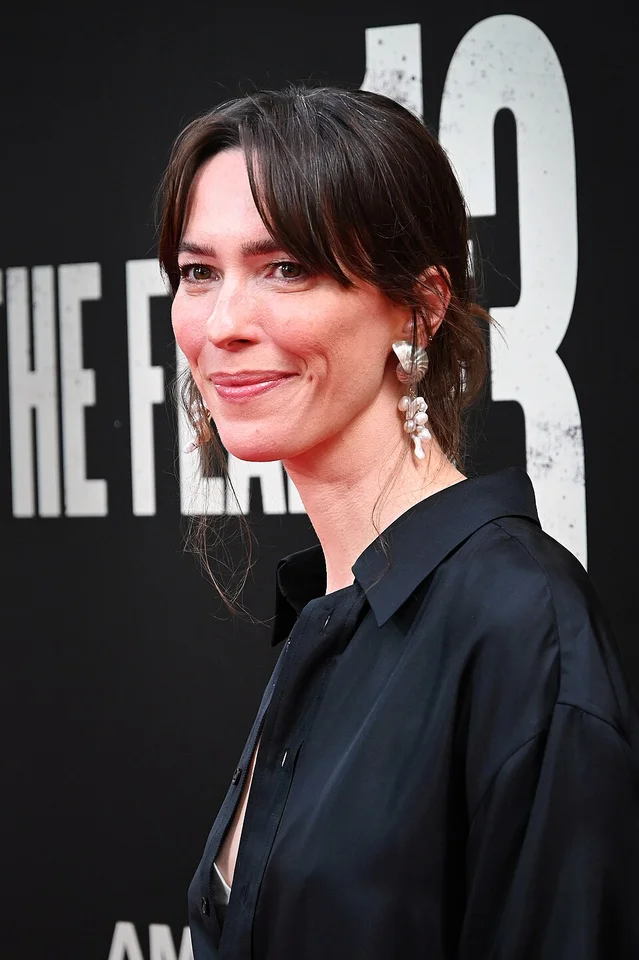
A filmmaker can learn one thing from a film as a child and something quite different from it while making her own. Rebecca Hall's notes for the Telluride Film Festival give two unusually precise accounts of that change. She returned to Joseph Losey's The Servant while directing Passing. Peter Bogdanovich's What's Up, Doc? acquired another audience when she watched it again with her eight-year-old daughter.
Hall chose six films as guest director of the Colorado festival, which opens today and runs through Monday. Alongside those two are Shirley Clarke's Portrait of Jason, Peter Hall's Akenfield, Kenneth Lonergan's Margaret and Charlie Kaufman's Synecdoche, New York. A festival that keeps a large part of the film industry occupied with new work has given one filmmaker a chance to put older pictures back in front of a shared audience.
How a house changes while the characters stay inside
The Servant, released in 1963, is one of Losey's collaborations with screenwriter Harold Pinter. Hall remembers encountering its sexuality and brutality when she was young. When she went back to the film as a director, her attention moved towards Douglas Slocombe's cinematography. The same location becomes less familiar as the angles and reflections change. A viewer can follow the relationship between the characters and also ask what the camera has done to the room around them.
That is a particularly revealing reason to choose an older film for a festival. A programme can name the director and the writer in a line or two. A practitioner describing the problem she was trying to solve can send a whole room of viewers in search of a cinematographer's work. Somebody else can still come away talking about Dirk Bogarde's performance.
Where the next laugh comes from
What's Up, Doc?, made in 1972, offers another sort of return. Hall writes about the pleasure her daughter took in the comedy, and about the rhythm and editing behind the laughs. Watching a child respond to a scene gives an adult some fresh evidence about its timing. The spectator sitting beside you registers a cut, a surprise or an entrance before either of you needs to explain how the joke worked.
The films in the selection range across decades and styles. They also describe different moments in a working viewer's life. Hall recalls going back to the cinema to see Synecdoche, New York a second time when it was new. A festival pass generally promises the chance to discover something one has never seen. Her choices give equal weight to returning to a familiar screen with a new question, or with someone who has yet to hear the punchline.