- World Science Day is observed on 10 November.
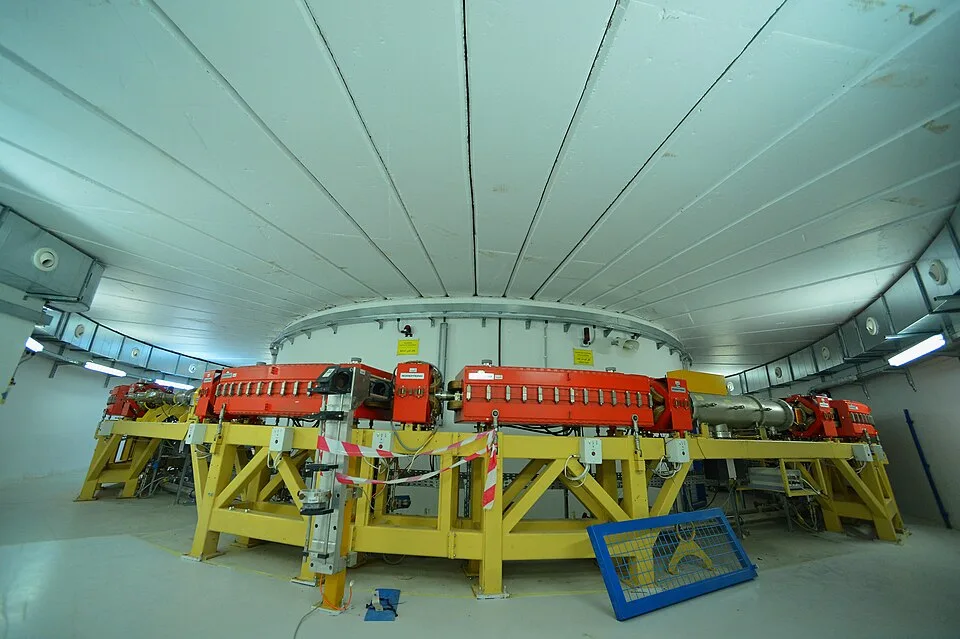
- SESAME operates a synchrotron research facility in Jordan.
- Ordinary proposals for beam time are assessed through peer review.
Inside this story 2 perspectives
Two scientists can share a machine before they agree about much else. At SESAME, a research facility in Jordan, an ordinary application for time on the synchrotron has to go before other scientists. The applicant has to explain what question they are asking and why the proposed experiment deserves a share of a scarce resource. A friendly expression of international goodwill will get a researcher only so far. Somebody has to make an experiment work.
UNESCO’s theme for World Science Day on 10 November is finding common ground through science diplomacy. SESAME gives that phrase an address. The facility uses synchrotron light, produced by accelerated electrons, to examine materials in ways that can reveal their composition and structure. Research groups with very different scientific interests can use the same facility. They depend on people outside their own group for time, equipment and practical knowledge.
Turn a shared aim into a question somebody can review
For most users, the route to an experiment begins with a proposal. Under the laboratory’s published policy, proposals from general users are peer reviewed before beam time is allocated. A reviewer interested in the science also has to consider whether the question can be addressed at this facility. A persuasive statement that a subject deserves attention is a start. It still leaves open what a researcher proposes to measure and what the result could settle.
There is a lesson here for people who will never use a synchrotron. Consider two departments seeking time with the same analyst. One wants to understand why customers leave. The other wants to know whether a new service reaches people in a particular town. Each will make a better case by naming the evidence it needs and the decision that could follow. A written proposal lets another person challenge an assumption before scarce time has been committed.
A useful disagreement has an object
Scientific collaboration does not require everybody to hold the same expectations about the result. On the contrary, a measurement is particularly valuable when people can agree what it would mean even though they anticipate different outcomes. A group can discuss the choice of sample, the comparison or the limits of the instrument. Each disagreement then has something specific attached to it.
The international character of SESAME gives the arrangement greater significance. Researchers working across borders need ways to keep producing knowledge that do not depend entirely on a personal friendship or the enthusiasm of one meeting. A known application route, shared facilities and criteria that a new group can read offer a continuing basis for cooperation. For a student considering a first collaboration, the smallest version of that lesson is within reach. Write the question down clearly enough that somebody you have yet to meet can tell you what it would take to answer it.