- Japan marks Autumnal Equinox Day on 23 September this year.
- Ohagi traditionally combines partly crushed glutinous rice with sweetened azuki beans, with regional and household variations.
- One customary explanation links the autumn name to bush clover and the spring name, botamochi, to peonies.
Inside this story 2 perspectives
A shop window in Japan can tell the season with a small oval of rice and beans. Around the autumn equinox, marked this year on 23 September, the sweet is often called ohagi. In spring a closely related confection goes by the name botamochi. The ingredients can look much the same. The flowers, the season and the people for whom the food is prepared help explain the distinction.
Ohagi is associated with higan, the period around the equinox when families may remember their ancestors and make offerings. A plate of sweets can be part of that observance and part of an ordinary visit to a relative or neighbour. Japan’s agriculture ministry, in its account of Kyoto’s regional food traditions, describes households preparing and sharing ohagi as well as confectioners selling it. A visitor does not need to assign the same meaning to every sweet in the window to recognise a seasonal custom at work.
Leave a little grain
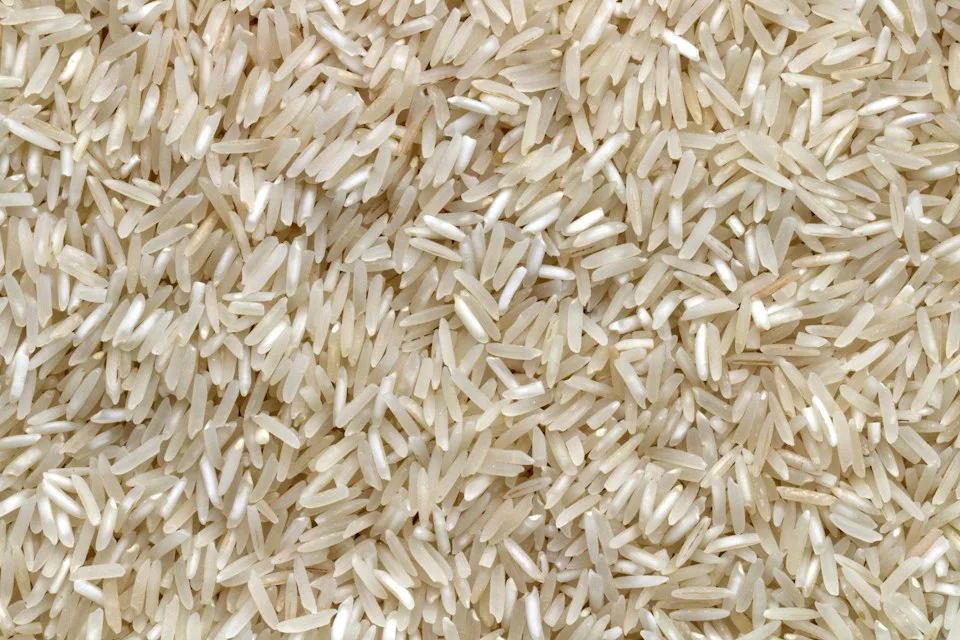
One of the pleasures is in the difference between the textures. Glutinous rice is cooked and shaped while it retains some of the character of the grains. Sweetened azuki beans can form the outer coating. Take a bite and the smoothness or slight graininess of the bean paste gives way to the more distinct rice inside. A version dusted with kinako, roasted soybean flour, can reverse the arrangement, with bean paste in the centre and rice around it.
The ministry notes Kyoto’s association with large Tanba Dainagon azuki beans. A confectioner choosing beans with a recognisable shape has a different starting material from one preparing a perfectly smooth paste. Neither treatment requires a different festival. It gives a familiar sweet room to vary from shop to shop and household to household.
Two names, two flowering seasons
One traditional explanation connects botamochi with the peony, botan, which flowers in spring. Ohagi recalls hagi, the bush clover of autumn. Regional usage and naming vary. The comparison is most rewarding as a way to notice the countryside behind the confection, rather than as a test for deciding whether a shop has labelled a sweet correctly.
The beans have their own associations. The agriculture ministry describes a belief that their red colour had protective qualities and notes that sugar was once precious. In that setting, preparing an offering meant setting aside ingredients and labour for someone who could no longer sit at the table.
A family buying ohagi on the way home and a neighbour shaping a batch to share are taking different routes into the same season. For someone encountering the sweet for the first time, its most precise introduction is still a small one. Look at the coating, notice whether the grains remain distinct and ask what the people who made it call it at this time of year.