- Tottori scheduled fishing vessel departures on 5 November ahead of the 6 November season opening.
- The prefecture’s first auction timetable lists 7 November, weather permitting.
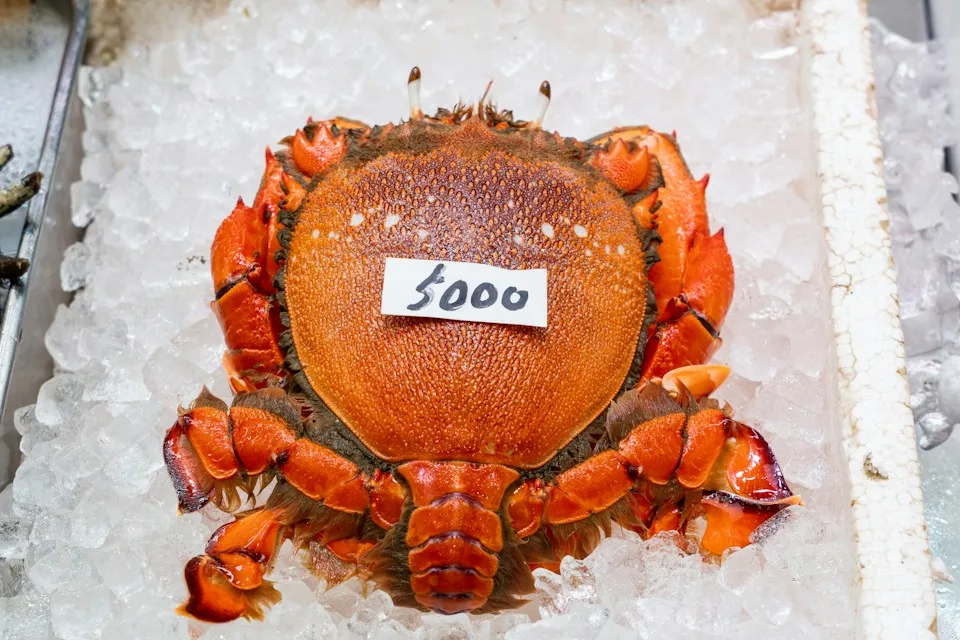
- Matsuba-gani refers to the adult male snow crab; smaller female crabs have their own names and culinary uses.
Inside this story 2 perspectives
At Tottori Port, four fishing vessels were scheduled to leave around noon on Thursday, 5 November. The port send-off in the prefecture’s programme included a drum and fife band from Karo Elementary School. There is a timing puzzle for the traveller who hears the music, sees the boats and decides to look for the first local crab at dinner that evening. The fishing season itself opens on 6 November. The first auction at this port is scheduled for the morning of 7 November.
The local catch in question is the snow crab. Matsuba-gani is the regional name for an adult male, prized for the meat in its long legs. The word on a winter menu therefore conveys something about the animal as well as the place. A person planning a meal around the start of the season should keep three clocks in mind. The fleet has to leave, the fishery has to open and the catch has to return to land.
What the port timetable actually promises
The prefecture’s advance notice lists departures from several ports and distinguishes the Tottori Port send-off from boats scheduled to leave individually elsewhere. It gives different times for the first auctions, including 8am at Tottori Port and 5.30am at Sakaiminato on Saturday. Sea conditions can alter those plans. The figures are information for observers and reporters; they do not promise that every restaurant will serve the day’s local catch at a particular hour.
The sequence makes a familiar piece of seasonal food language more precise. A season opening is a date from which fishers may work. It cannot guarantee how much they will land, which animals will reach one market or how far the first auction price will be representative of an ordinary winter meal. On the eve of fishing, the published timetable gives more trustworthy guidance than a prediction of what a particular crab will cost.
An alternative to the long legs
Tottori’s tourism guide also describes the smaller female snow crab, called sekogani in its English-language guide. It has its own appeal, especially the roe. The guide places it in home cooking, including miso soup and seasoned rice, while the adult male is familiar boiled, grilled or simmered. Asking which crab a dish uses can therefore reveal more than asking whether crab season has started.
The dates also make room for a visitor who is more interested in the port than the plate. A school send-off, a fleet working at sea and an auction are different parts of the same food story. Tottori’s first November programme lets people decide which part they wish to see.