- Reuters interviewed three factories whose owners reported losing workers during anti-migrant protests.
- The clothing workers’ union pointed to pay and commuting costs as barriers to recruitment.
- The prices retailers pay their suppliers and the terms workers receive both matter to a sourcing decision.
Inside this story 2 perspectives
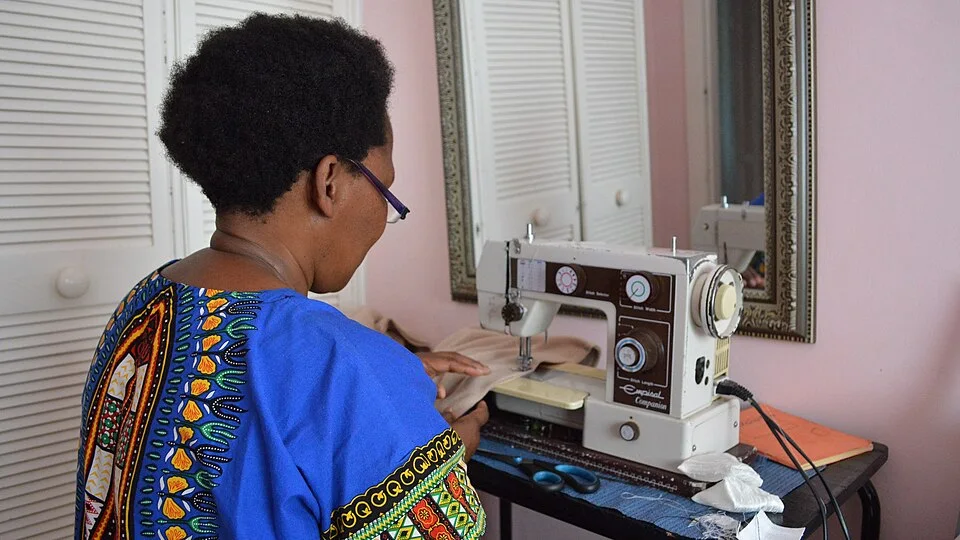
A sewing machine can stand idle in a town where people are looking for work. In Newcastle, KwaZulu-Natal, the question behind that apparent contradiction is how much the person at the machine can take home. A factory owner has to train someone to fill a particular station. A prospective employee has to get to that station and back, including on days when output and earnings are low.
On 6 August Reuters reported from three garment factories in Newcastle. Their owners said they had lost between 12% and 19% of their staff during anti-migrant protests. Managers described difficulty replacing experienced workers. A representative of the Southern African Clothing and Textile Workers’ Union gave the news agency a different account. South African machinists were available, he said, but pay and transport costs made some jobs unattractive. The three employers interviewed give a close view of this industrial town. Their experience cannot establish the size of a national shortage.
The price of getting to a shift
South Africa’s general national minimum wage rose to R30.23 for an ordinary hour worked on 1 March. In the factories Reuters described, workers were frequently paid according to the number of items they completed. For a recruit, that makes two questions important before accepting an offer. What pay does the employer guarantee for the hours worked, and how long does someone new to the line need to reach the expected output?
Then there is geography. Someone living near a factory and someone taking paid transport each way can receive identical wages and take home quite different amounts after the trip. Training can make a worker faster over time. It does little for the price of Monday morning’s ride. Raising the advertised piece rate while leaving the hours, transport or guaranteed earnings unclear can also leave a vacancy open.
What a clothing buyer can ask
Retailers have influence well before a pair of trousers reaches a shop. Their orders set a quantity, a deadline and a price. A buyer assessing two offers could ask how many paid hours each supplier has allowed, where the sewing will take place, and who will train additional workers if the deadline moves. Those questions make it easier to see why an unusually cheap promise might be difficult to keep.
South Africa’s trade department had already raised concerns about accountability across Newcastle’s clothing supply chains earlier in the year. It said investigations into particular allegations were ongoing. For an employer trying to recruit this week, the most telling information may be quite ordinary. Publish the hours and pay for the vacancy, ask applicants what the trip costs, and see how many qualified machinists can realistically say yes.