- UC Santa Cruz described a weekly diving programme already under way in Monterey Bay.
- Researchers are testing whether warmer water reduces the detached algae that feed sheltered urchins.
- Tracking conditions before, during and after warming could distinguish a temporary setback from longer-term change.
Inside this story 2 perspectives
A scrap of kelp drifting across the seafloor looks like a piece of a forest already lost. To a sheltered sea urchin it is a meal delivered to the door. To researchers making weekly dives in Monterey Bay, it may be one piece of an explanation for why an entire forest remains standing. On 18 September, the University of California, Santa Cruz described its effort to start measuring the changes while the kelp was still there to watch.
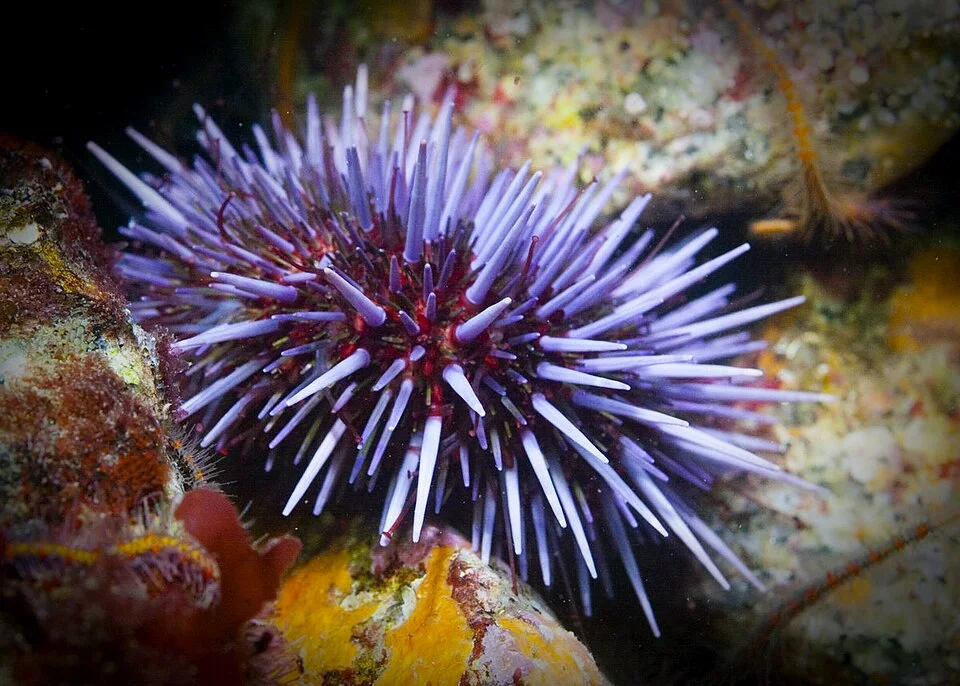
The team is following giant kelp and sea urchins as warming associated with a strong El Niño threatens the Californian coast. In the forest, a sea urchin can remain in a crevice and intercept pieces of algae carried past by the water. When that supply dwindles, urchins may emerge and feed directly on living kelp. An observer arriving later might see an open patch covered in urchins. The question is which change came first.
What a repeated dive can catch
A photograph after a heatwave can show the footprint of a damaged forest. It cannot show exactly when the animals began leaving shelter, or how much detached food was available beforehand. Going back weekly gives the researchers a chance to compare the sequence at different sites. Students working with the team are also measuring tagged kelp. A particular plant can therefore contribute a history, rather than appearing once as part of a broad estimate of cover.
The region has a recent example of what can happen. A marine heatwave from 2014 to 2016 accompanied widespread kelp loss and a proliferation of purple sea urchins. Warmer water and reduced nutrients can slow kelp growth. If a reduction in natural drift food changes urchin behaviour, that shift could put further pressure on the kelp that remains. The team is testing that explanation. Warming is a threat, but it does not establish in advance which patch will survive.
The dive after the temperatures fall
The university says initial support has allowed the researchers to begin, while continued funding would help them follow conditions after the warm period. The distinction matters. A forest that loses canopy during a warm spell and regrows once colder water returns has followed a different path from one that stays bare because new kelp is repeatedly grazed down.
The research links a question about climate to the scale of a meal. A canopy visible from the surface may ultimately depend in part on whether an animal below can eat without moving out of a crack in the rock. Following discarded scraps of algae is one way of discovering how much of the forest they keep in place.