- Consumer prices rose 0.33% against the previous fortnight and 3.42% against a year earlier.
- Red tomatoes contributed 0.105 percentage points to the fortnightly increase.
- Prices of potatoes and other tubers fell 6.69% over the same fortnight.
Inside this story 2 perspectives
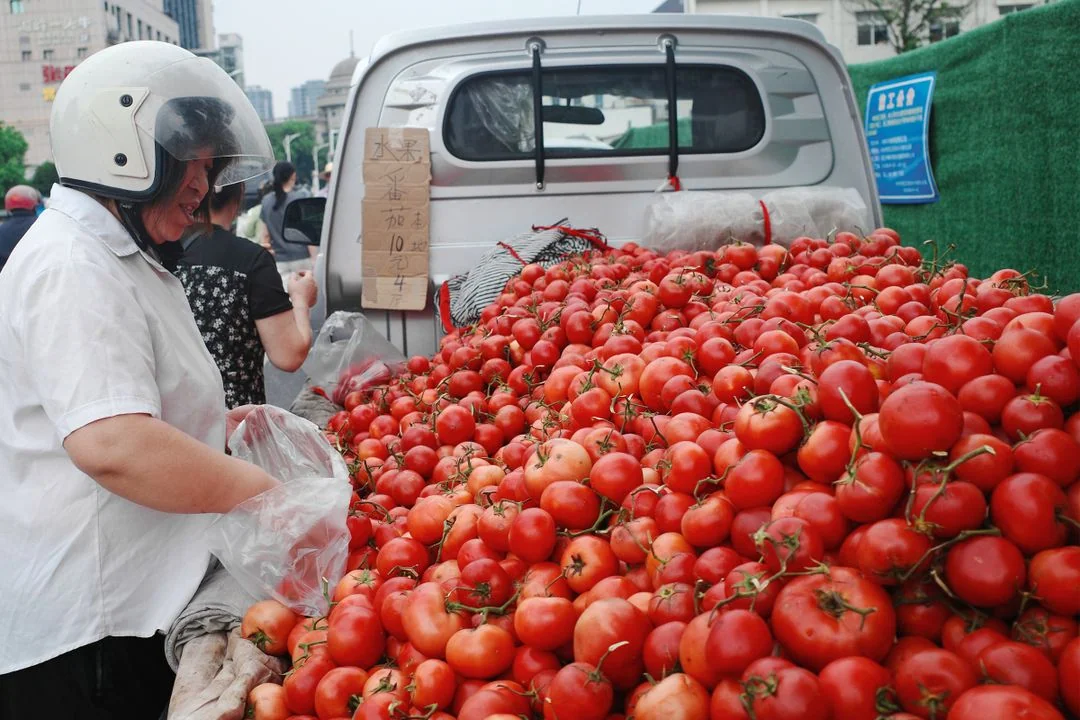
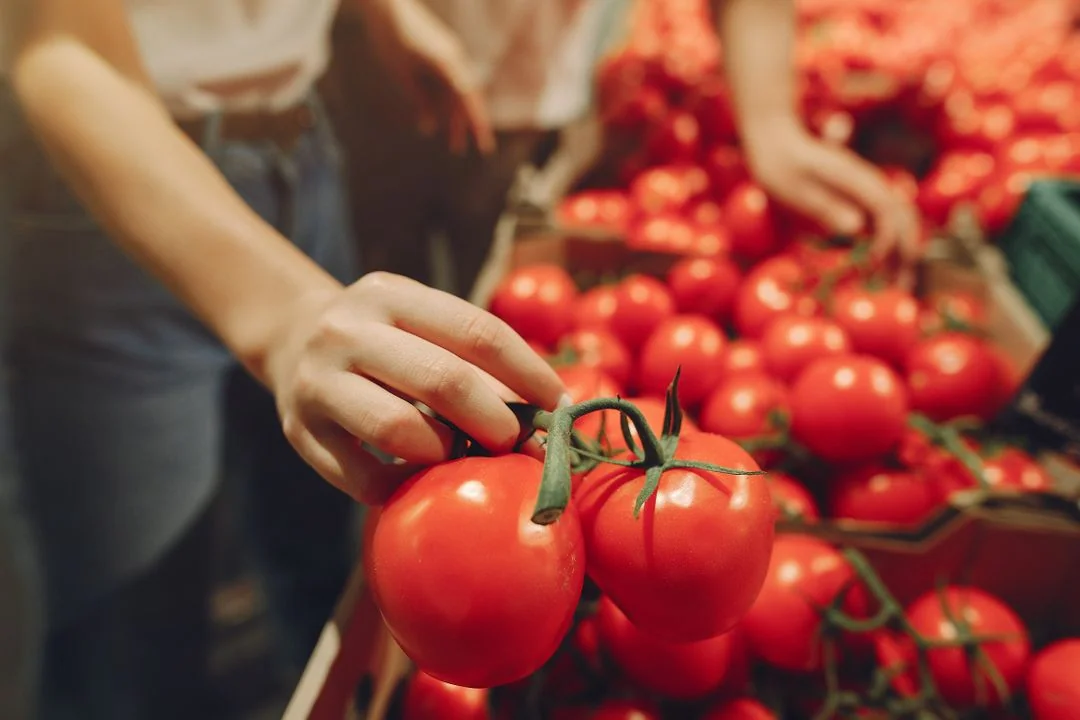
Red tomatoes cost 22.79% more in Mexico in the first half of September than in the preceding fortnight. Anyone shopping for the ingredients for salsa has good reason to notice that number. Someone looking at the national inflation index has a reason to notice it too. Mexico’s statistics agency, INEGI, calculates that this one item contributed 0.105 percentage points to the overall fortnightly increase of 0.33%. That is close to a third of the increase.
The release, issued on 24 September, measures prices in the first half of the month. Compared with the same fortnight a year earlier, consumer prices were up 3.42%. Reuters reported that economists it polled had expected 3.37%. Those comparisons answer different questions. Last year provides context for the change in purchasing power over a longer period. The preceding fortnight picks up what was unusual about shopping in early September.
A price has to meet its weight
A tomato can rise by nearly a quarter without sending the national price level up by anything close to that. The index covers many goods and services and gives each a weight. INEGI’s table sets the percentage price change beside its contribution to inflation in percentage points. The second column makes items as different as onions, school fees and cooking gas comparable in their influence on the final figure.
Consider the first two of those. Onion prices increased 8.61%, while primary education rose 5.85%. Each contributed 0.027 percentage points to the index. A shopper would register quite different percentage increases on the two bills. Their contributions to the overall index, once their spending weights are taken into account, were virtually the same. Household gas and chicken also rose, each contributing about a quarter as much to the overall movement as red tomatoes.
A shopping list can move in both directions
Among the items that eased, potatoes and other tubers fell 6.69%. Avocados fell 4.02%, and oranges were down 3.95%. A household purchasing all three in the same quantities as a fortnight earlier would see savings on those particular lines. A family buying more tomatoes for a celebration or paying primary-school fees could see its outgoings rise more sharply. Both experiences can sit comfortably inside the same national average.
INEGI also reports an index covering a minimum consumption basket. That measure rose 0.50% over the fortnight, a larger increase than the general index, while its annual increase of 3.24% was smaller. The comparison period and the contents of the basket both matter. For a household trying to understand a change on its own receipts, the most informative comparison starts with the same quantities of the same items over the same period. The national table can then show which of those changes other shoppers were seeing too.