- China’s consumer price index rose 0.8% in August from a year earlier.
- Fresh vegetable prices rose 5.5% over one month but fell 2.8% over twelve months.
- Pork prices increased 1.3% from July and remained 11.8% below August 2025.
Inside this story 2 perspectives
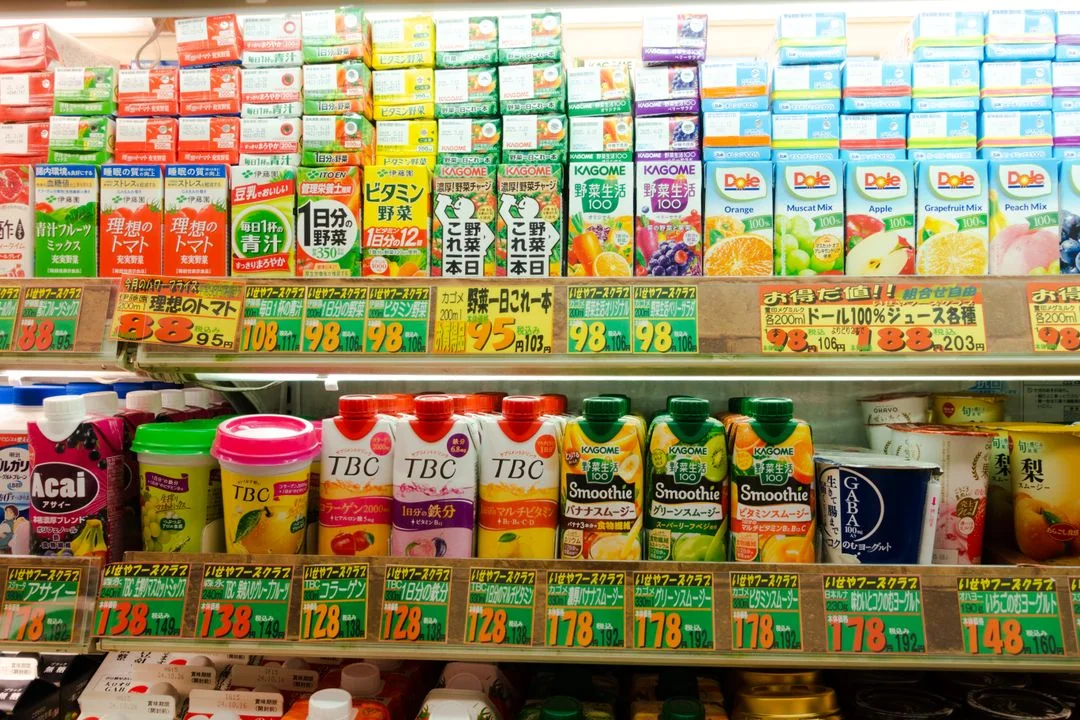
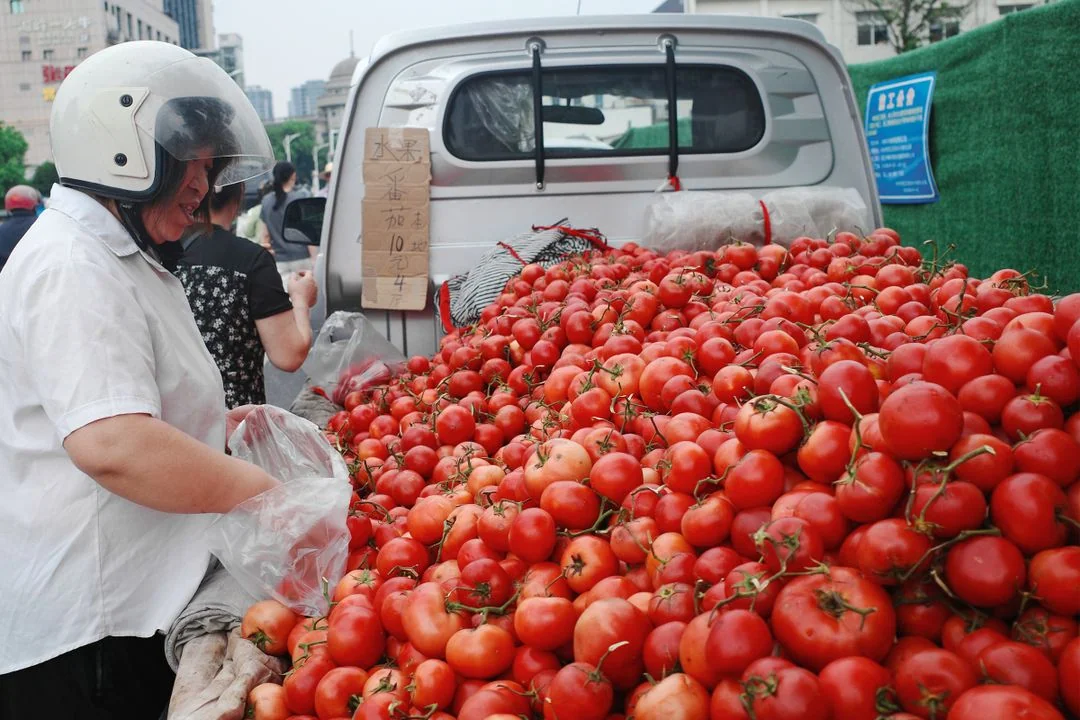
A shopper in China noticing that fresh vegetables cost more than on their previous trip had national figures on their side in August. So did a shopper who remembered vegetables being dearer last summer. China's National Bureau of Statistics said fresh vegetable prices rose 5.5% from July but were 2.8% below August last year. The apparent disagreement is chiefly a matter of which receipt is being compared with the latest one.
Pork offers an even sharper example. The bureau reported a 1.3% monthly rise and an 11.8% annual decline. Across all food, prices rose 0.4% from July and fell 1.4% from August 2025. The same set of statistics can therefore capture an immediate squeeze on a food budget and a broader easing since last year.
Why a vegetable rise barely moved the headline
A national price index gives products different weights to reflect their place in household spending. The bureau estimated that the monthly increase in fresh vegetable prices added about 0.09 percentage points to the overall index. That is how a change of more than five percent on one stall can coexist with a monthly change of 0.4% across all consumer prices. A product has to carry a large share of total spending to move the overall figure as much as its own price moves.
Other items also worked in the opposite direction. Fresh fruit prices fell 2.5% over the month, taking about 0.05 percentage points off the overall index by the bureau's estimate. A basket filled largely with vegetables will have an August experience different from a basket that includes more fruit. Both are reasonable purchases. The statistical basket has the separate purpose of describing the wider population.
Where the annual rise came from
Overall consumer prices were up 0.8% over twelve months. Non-food prices rose 1.2% over that period, while food was cheaper. The annual increases in the broad measures for consumer goods and for services were both 0.8%. None of those aggregates requires a family to have paid precisely that much more for its own mix of food, transport, housing and other outgoings.
Price changes also looked different earlier in the supply chain. The producer price index rose 3.8% from a year earlier, the Wall Street Journal reported. It measures prices at the factory gate and covers different products and weights. A family deciding how far this week's grocery money will go needs the retail figures. The person comparing this August with last August and the one scanning last month's vegetable receipt can each find a sensible comparison there.