- Kyoto Shimbun documented the morning departure from Heian Jingu on 22 October.
- The main historical procession runs from the palace grounds to the shrine, with periods shown from more recent to earlier times.
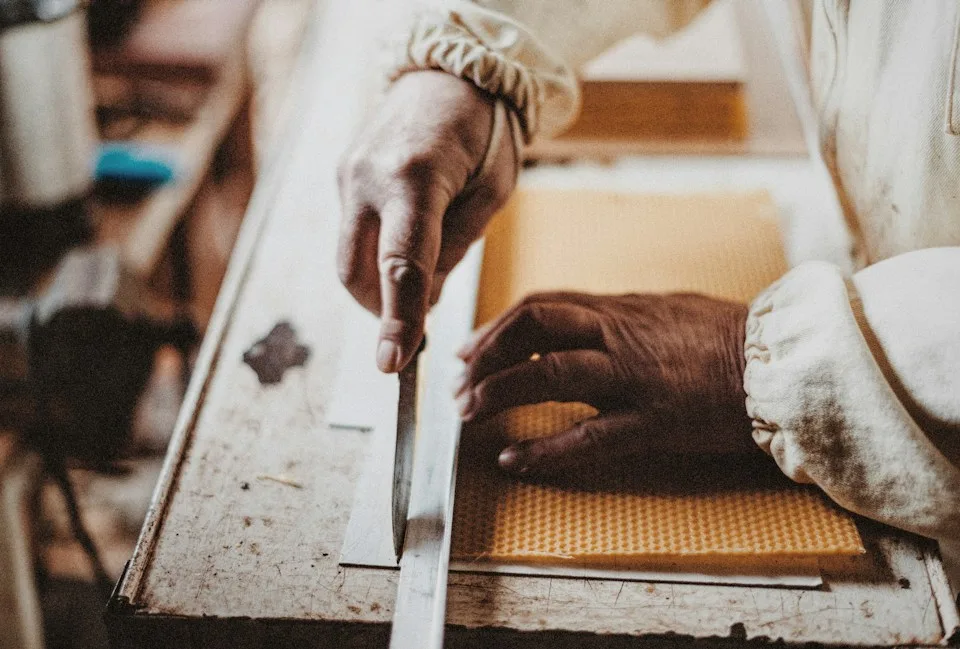
- Historical clothing, equipment and furnishings show the continuing work of Kyoto craftspeople.
Inside this story 2 perspectives
Shortly after nine on the morning of 22 October, a ceremonial procession left Heian Jingu in Kyoto. Kyoto Shimbun documented two imperial palanquins, associated with Emperors Kanmu and Komei, travelling towards the grounds of the imperial palace. A visitor who had read that the Festival of the Ages travels from the palace grounds to the shrine might reasonably wonder whether they had the route backwards. They had simply arrived for a different part of the day.
The morning journey is followed by the great costumed procession that gives the Jidai Matsuri its name. Around 2,000 participants represent successive periods of Japanese history, progressing from the years of the Meiji Restoration towards the founding of the old capital. Horses, oxen and ceremonial objects accompany the walkers. The movement across the city and the movement backwards through time are both part of its design.
A relatively young festival with a long memory
The festival began in 1895, the year Heian Jingu was established. Its procession looks back more than a thousand years. That distinction helps explain why the event has a different character from a gathering that claims to have been performed in exactly the same form for centuries. Kyoto’s organisers and craftspeople have made a public occasion out of reconstructing and arranging many different times within a single route.
For a spectator, following the order changes what otherwise looks like a stream of elaborate garments. A group in comparatively recent dress marks a point of entry into the story. The figures that follow carry the viewer gradually further from the present. The festival guide describes attention to historical references in the choice of clothing, furnishings and equipment. Waiting for the next period to appear becomes part of the pleasure of standing in one place.
Choose one detail to follow
A whole procession is difficult to absorb. A viewer interested in making things could concentrate on the changing shape of sleeves, the way cloth hangs while somebody walks or the different ways people and objects travel. The Kyoto tourism office offered commentary with some paid viewing seats, including options in English and Chinese. At the palace grounds, listeners using general seats were asked to bring their own connected phone and earphones.
The route covers roughly four and a half kilometres. No single point gives a spectator the entire experience of such a long event. The morning report from the shrine and the later procession from the palace grounds each offer one part. Reading them together reveals something a close-up of even the most beautiful garment cannot explain, how a modern city organises its streets so that many different versions of its past can pass through them.