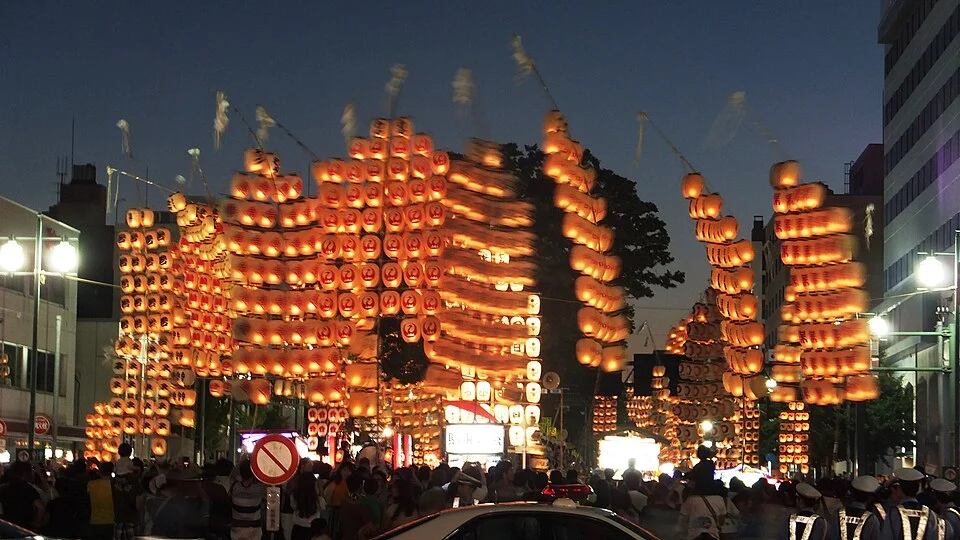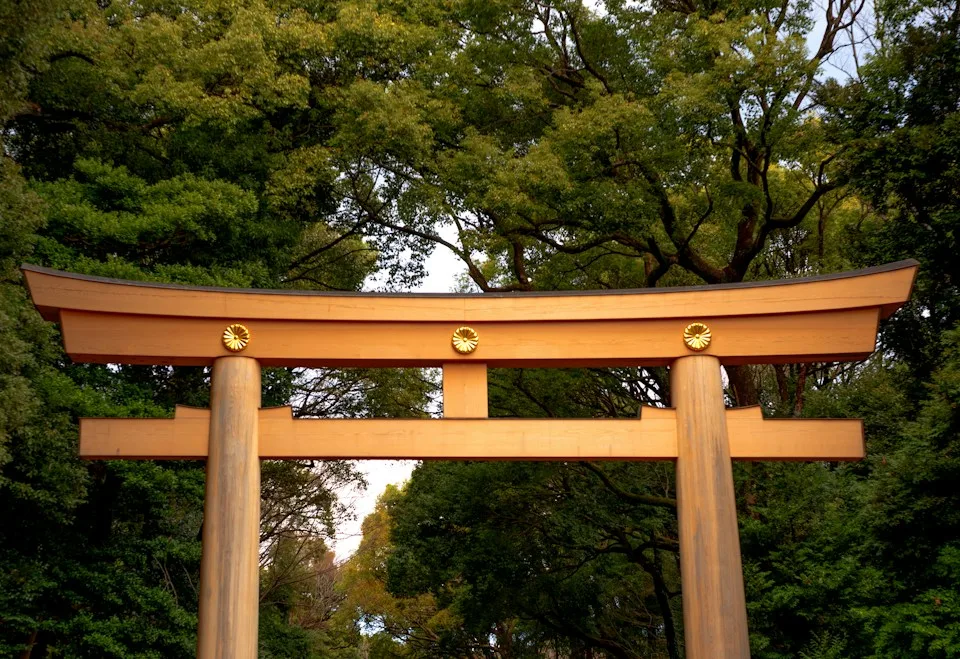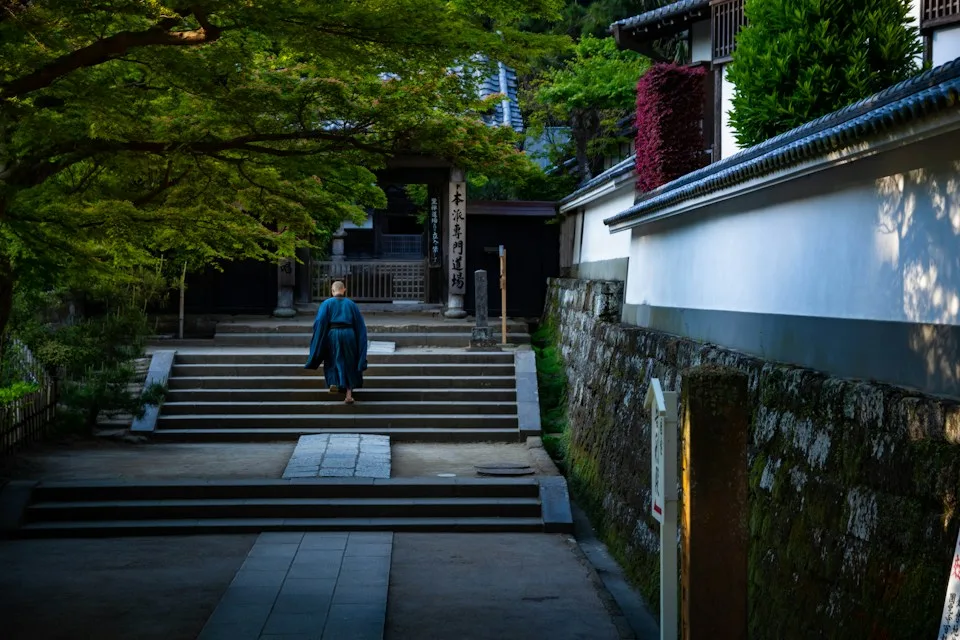
- Tsurugaoka Hachimangu’s annual festival takes place from 14 to 16 September.
- The main shrine ceremony and procession fall on the middle day. The mounted ritual is on the final afternoon.
- The shrine is within walking distance of Kamakura Station.
Inside this story 2 perspectives
A visitor walking from Kamakura Station to Tsurugaoka Hachimangu this afternoon might assume from the crowds that the shrine's annual festival has just begun. In fact this is its final day. The mounted ritual known as yabusame is the most recognisable event for many spectators, but the festival runs from 14 to 16 September. Its principal shrine ceremony takes place on the morning of the middle day.
The Japan National Tourism Organization puts the shrine about ten minutes on foot from Kamakura Station. That estimate describes the distance to the shrine. It says little about how long it might take to find a place from which a group can all see the same event. The excitement is concentrated around a brief part of a much longer ritual calendar, which makes the afternoon feel quite different from an ordinary shrine visit.
What happened before the horses arrived
The annual ceremony brings shrine attendants and priests together for prayers, followed on the second day by a procession of portable shrines, known as mikoshi. Traditional dances also form part of the celebrations. Anyone looking only for the mounted performance will see a dedication taking place in a specific religious setting. The procession explains some of what the festival has been doing in the days before the most photographed moment.
The middle day's events and the closing ritual also offer different ways of sharing the space. A procession moves through the grounds. Spectators can take in the carriers, the movement and the gathering around them. On the final afternoon people congregate to see the passing riders. The Japan National Tourism Organization describes the event as an offering at the shrine, where a tea ceremony and other traditional performances have a place in the wider festival.
Allow time after the main event
The visitor guide Kanpai lists a final-day tradition easily missed by someone taking the train home as soon as the horses depart. Later in the afternoon the shrine has a ceremony associated with releasing bell crickets, called suzumushi. The change of scale is considerable. One event is easy to recognise across a crowd, the other directs attention towards creatures small enough to overlook entirely during a busy day.
For a traveller choosing which part of the afternoon to spend here, that contrast is more useful than a checklist of attractions. A companion interested in horses and another interested in Japanese seasonal customs have reasons to visit the same shrine but may want to linger at different times. The station is a short walk away. The festival offers more than one good moment to make it.