- Finance minister Koo Yun Cheol met Asian Development Bank president Masato Kanda in Seoul on 14 September.
- Koo proposed closer work with Uzbekistan on critical minerals to support local industry and Korean supply chains.
- Kanda said the bank was ready to support cooperation, including through co-financing for major projects.
Inside this story 2 perspectives
A company trying to secure critical minerals may start with the question of how much material will reach its factories. The government of the place where that material originates has another question. How much of the work, income and expertise involved in turning a deposit into a usable product will stay in the country? A meeting in Seoul on Monday put both interests on the table before a regional summit later in the week.
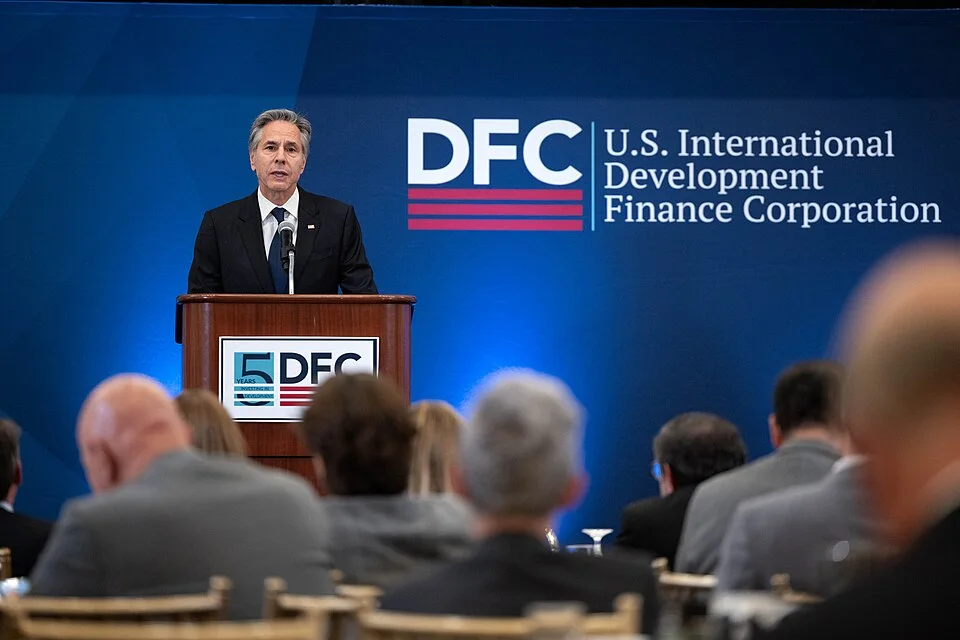
South Korea’s deputy prime minister and finance minister, Koo Yun Cheol, met Asian Development Bank president Masato Kanda on 14 September. Koo proposed closer cooperation with Uzbekistan on critical minerals, linking more reliable supplies for Korean industry to the development of local industry in Uzbekistan. Kanda said the bank stood ready to support cooperation with Central Asia, including by co-financing major projects.
What a lender’s interest can change
Co-financing means more than one institution helps provide the money for a project. It can allow partners to share the cost and risk of a large investment. An expression of readiness also signals to potential project sponsors that there may be a financing route worth investigating. It does not identify the asset a lender has assessed, the amount it is willing to commit or the terms a borrower would have to meet.
For a proposed minerals project, those details would matter. Extraction, processing, transport and the power needed to run the operation are different investments. An agreement that made it easier to move raw material out of a region would generate a different pattern of jobs and local spending from one supporting processing inside it. The ministry’s account describes an ambition to combine the two countries’ interests. It leaves room for negotiation about which activities do that in practice.
How to recognise a concrete proposal
The talks also covered artificial intelligence and energy infrastructure. Seoul raised the possibility of applying its experience in electricity generation, transmission and distribution to regional projects the development bank is pursuing. Those discussions establish that power was on the agenda, but they do not earmark an electricity project for any mine or processing facility.
A useful document to look for after the diplomacy would name a specific investment, identify who owns the facility and set out how its output is to be sold. A financing approval would add the amount and conditions. An agreement to purchase material over several years would say something different again about the reliability of supply.
Monday’s exchange takes the discussion as far as an invitation to develop projects. The eventual test is whether the two intended benefits can be written into the same proposal in terms both sides can assess: a dependable input for a manufacturer and an industrial activity worth keeping in the producing country.