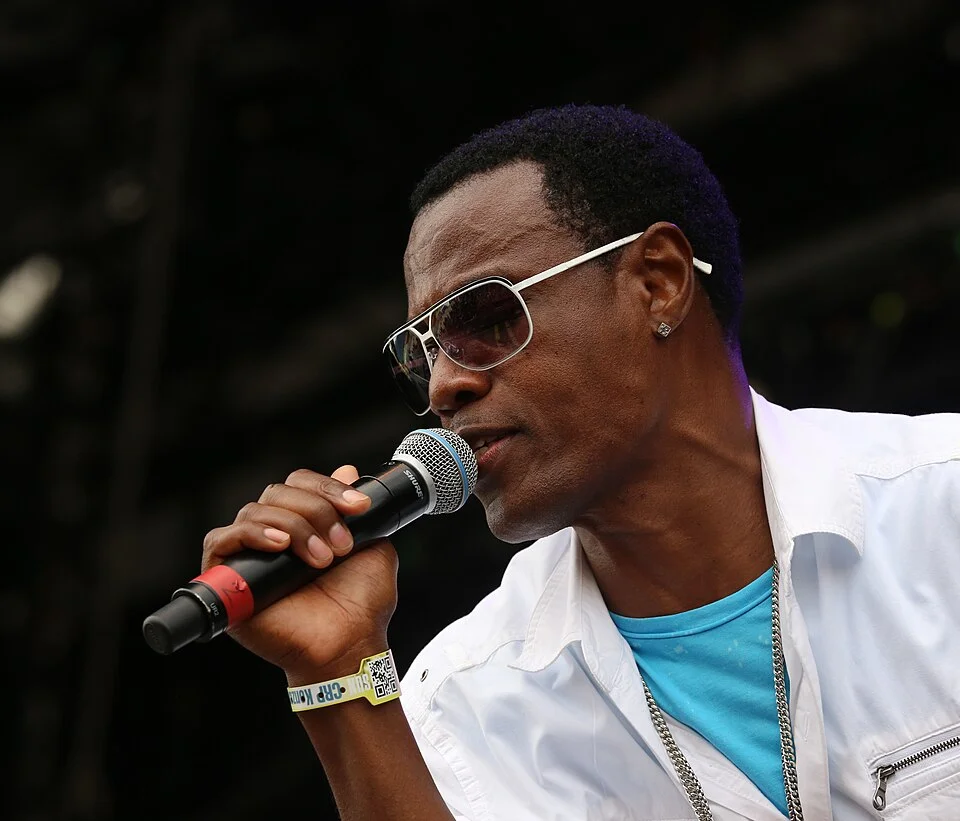
- The two artists were named for honours in the programme marking the 64th anniversary of Jamaican independence.
- Wayne Wonder began performing on sound systems in east Kingston.
- Kingston’s UNESCO City of Music designation dates to December 2015.
Inside this story 2 perspectives
The stage associated with Jamaica’s independence celebrations is a long way from the neighbourhood sound systems where Wayne Wonder started singing. Yet both belong to the same city. Jamaica named Wonder and fellow dancehall artist Busy Signal for Reggae Icon honours in the programme for its 64th independence anniversary on 6 August. The selections invite a closer look at the less formal places where a city first decides whose voice it wants to hear.
Wonder began on sound systems in east Kingston, including those around McIntyre Villa, the community also known as Dunkirk. Speaking to the Jamaica Observer as the honour was announced, he described what recognition at home meant to him. The account traces his career through the 1990s to work at Penthouse and Mad House, with producers Donovan Germain and Dave Kelly. It supplies a useful map of the city’s music industry in miniature: a place to perform, an audience close enough to respond, then people and equipment capable of turning a performance into a recording.
A city with more than one sound
Kingston was designated a UNESCO Creative City of Music in December 2015. Its national UNESCO commission identifies a musical inheritance that includes mento, ska, rocksteady, reggae, dub and dancehall. Giving two dancehall artists a place under an award named for reggae demonstrates the breadth of the bill. It also gives listeners who know the names mainly from overseas airplay a route back to a particular neighbourhood and moment in recording history.
The physical infrastructure matters. A sound system lets people hear a voice among other voices. A studio allows an artist and producer to try again, change an arrangement and make a version that can travel further than the audience on the night. Television, radio and performance venues give that recording further chances to find listeners. International recognition arrives late in a chain of relationships that begins very close to home.
Who can hear the national show?
The National Stadium could not accommodate everyone who wanted to attend, Culture Minister Olivia Grange said before the event. Organisers announced a watch party at Independence Village with a big screen. Its purpose was practical. Capacity at one venue sets a hard limit on seats, even when a celebration is meant to belong to the whole country.
Opening more places to experience music is also one of the ambitions Jamaica describes in its account of Kingston’s creative-city status. A screen at a national gala and an east Kingston sound system serve different audiences and different occasions. Both suggest a better question to ask about the city than how many stars it has produced. Where can someone still come across an unfamiliar voice, hear what a crowd makes of it and decide to listen again?