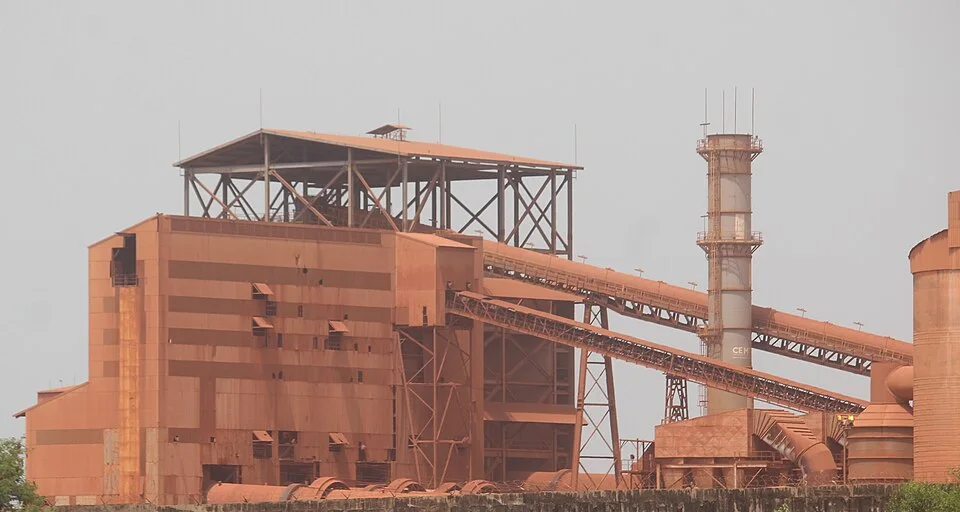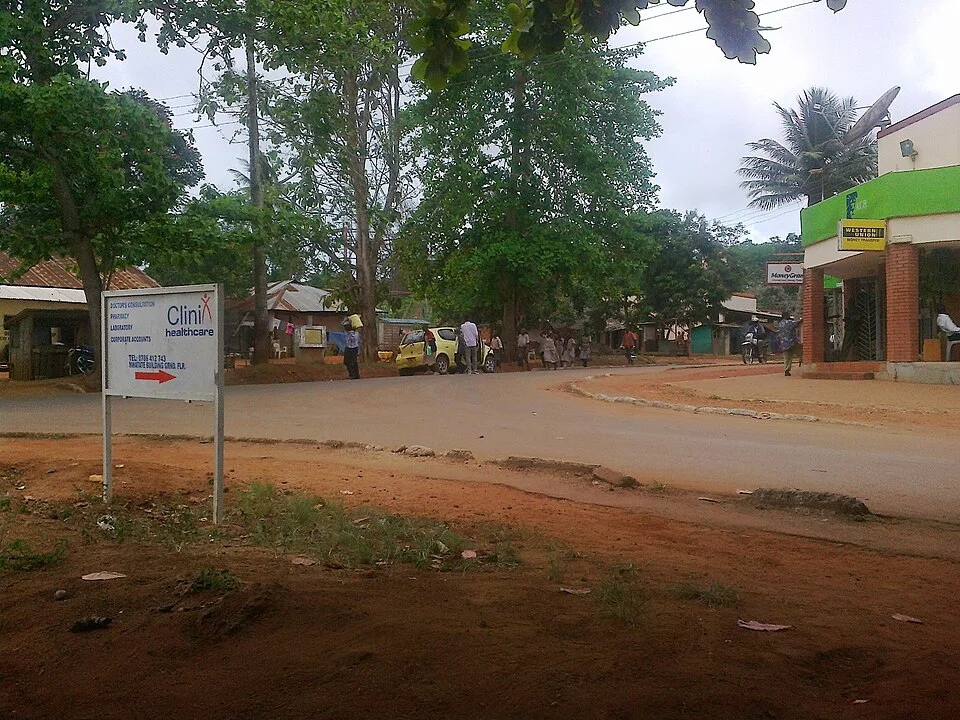
- Mrima Hill in coastal Kwale County contains niobium and rare-earth elements.
- Kenya’s terms of reference ask bidders to demonstrate the ability to design and commission an on-site processing plant.
- Officials discussed US support on 9 September. A mine award or investment commitment was not announced at the meeting.
Inside this story 2 perspectives
The most revealing line in the prospectus for Kenya’s Mrima Hill mineral deposit concerns what a company must be able to leave standing above ground. Bidders are asked to demonstrate that they can design and commission an on-site processing plant. They must also explain how they would work with local communities so that benefits are shared. A promise to buy material from the hill answers neither question.
At a business meeting in Nairobi on 9 September, a senior US official said the United States was ready to help Kenya develop local processing of critical minerals. President William Ruto welcomed the prospect of jobs. Kenya was still considering bids for the coastal Mrima Hill project. Reuters reported that the principal secretary for mining described a shortlist of six companies, including two from the United States. No winner was announced at the meeting.
Finding a mineral and selling it
The site is in Kwale County, roughly 65 kilometres southwest of Mombasa. Its geological history is already substantial. Kenya’s tender documents describe early exploration and later mapping that confirmed the presence of elements including niobium, yttrium and lanthanum. The same document says the government had not prepared an economic viability report for the prospect.
That distinction matters whenever a headline assigns a vast sum to a deposit. The presence of material in the ground is evidence about geology. An operating business must establish what proportion it can recover, at what cost, in a form customers will buy. It must account for the time and money required before a sale takes place. Multiplying a rough quantity in the ground by a market price can skip all of those steps.
Where the processing happens
Kenya’s requirement makes the intended industrial policy more concrete. A bidder able to dig and export material would still have to address the proposed plant. Constructing it could create opportunities for contractors and suppliers. Operating it would call for an enduring supply of skilled staff, reliable services and buyers willing to accept the processed product. The number and duration of jobs at each stage could be quite different.
Local residents have another interest in the wording. A national estimate of export earnings tells a household little about how a project will affect nearby land, livelihoods or public services. A commitment to community engagement can be examined through the proposed arrangements for consultation and sharing benefits, alongside the bidder’s financial and technical capacity.
The American statement adds political support for local processing. As of the Nairobi meeting it supplied neither the identity of the successful bidder nor a financing package for a plant. Kenya’s published terms provide a practical way to follow what happens next. Look for the operator, the processing obligation and the evidence that the project can support both.