- First-half revenue grew 9% while capacity was 9% lower.
- Fuel costs rose by 32% and total operating costs rose by 14%.
- The reported return of aircraft after 30 June concerns a later period.
Inside this story 2 perspectives
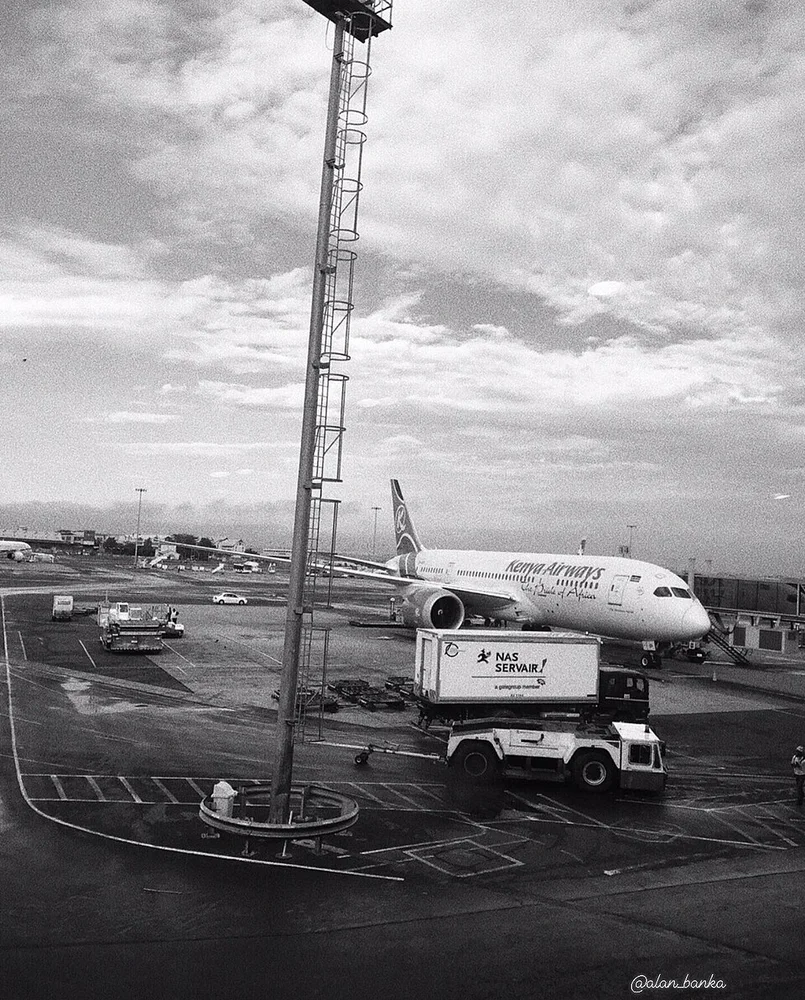
Kenya Airways sold more effectively on a smaller network in the first six months of 2026, according to results released on 25 August. Revenue increased 9% to KSh81 billion despite a 9% reduction in capacity. The share of available passenger capacity sold, its cabin factor, improved by four percentage points. Yet the airline’s loss after tax widened from about KSh12.2 billion to KSh16.1 billion.
There is no need to doubt passenger demand to make sense of those numbers. An airline can raise revenue while the cost of delivering each unit of flying grows faster. The carrier reported a 14% increase in overall operating costs during the half. Fuel costs rose 32% and represented about 32% of total operating expenses. The identical percentages describe different things. One is a change over time and one is a share of a total.
Count the seats, then the kilometres
The number of seats an airline offers tells only part of the capacity story. A seat flown on a long route represents more flying than the same seat on a short one. Capacity and cabin factor allow the airline to compare the passenger traffic it carried with the space it provided over the distances flown. An improvement of four percentage points means a greater share of available capacity carried paying passengers. It does not mean that exactly four extra seats in every aircraft were sold.
The airline also cited strong average coupon values, an indication of the revenue earned on the individual flight portions of tickets. A return or connecting itinerary can involve more than one such portion. A rise in total revenue on less capacity tells us something about what the airline achieved with the flying it could operate. It cannot isolate the change in fare on a single popular route.
On the other side of the ledger, the company described delays in obtaining spare parts and returning aircraft to service. The wider business still has people, facilities and other commitments to fund when an aircraft cannot fly its planned schedule. A sold-out flight can make a valuable contribution without covering every cost elsewhere in the network.
The July aircraft belong to the next chapter
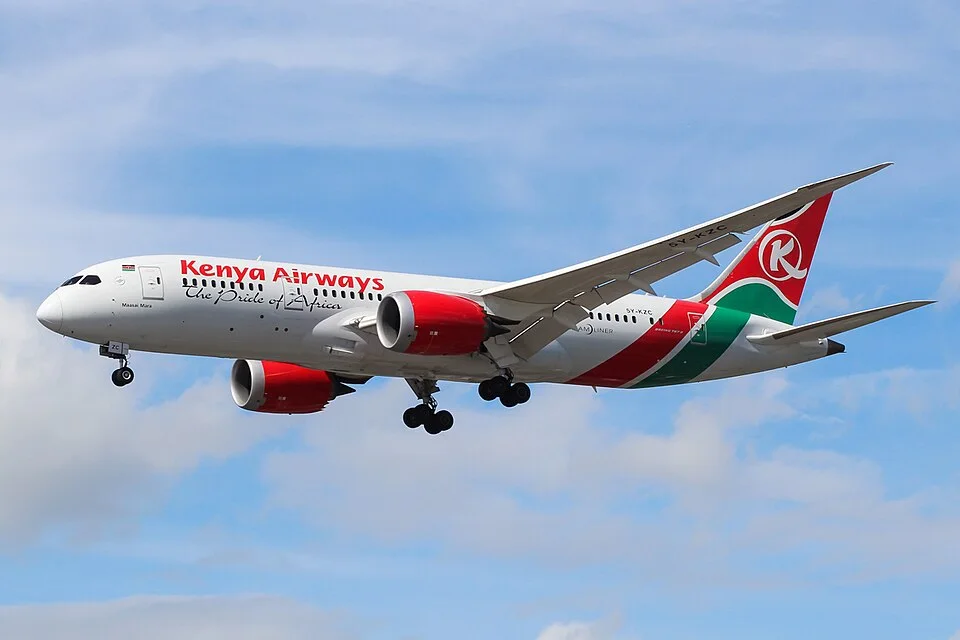
Kenya Airways reported that a Boeing 787-8 resumed operations in mid-July. It also reported the return of a Boeing 777-300ER. Both developments appeared in the company’s discussion of events after the reporting period. They could influence the schedule ahead. They could not have rescued the six-month result ending on 30 June.
For travellers, the next sign of progress may be a timetable the carrier can operate more consistently. For the people reading its accounts, the question is whether restored capacity earns enough to cover the fuel, maintenance and financing that accompany it. A higher cabin factor shows the seats available were being used more intensively. The next financial results will show what the airline earned from bringing more of them back.