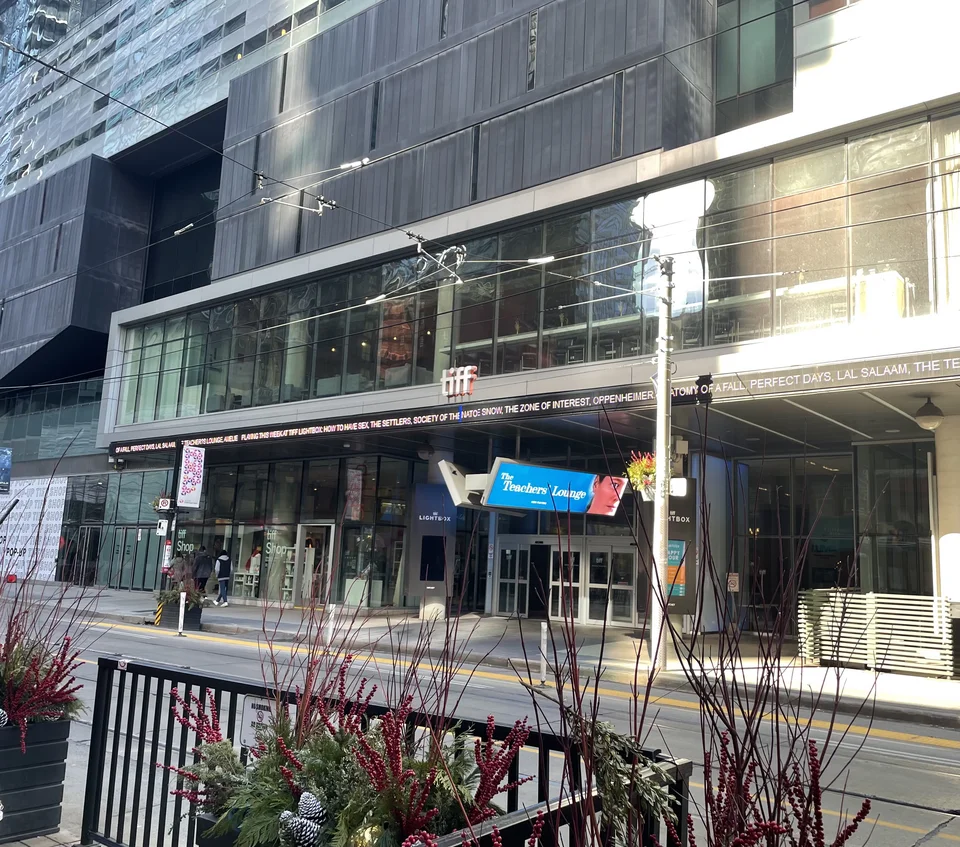
- The Indigenous Screen Office is partnering with Telefilm Canada at the Canadian Pavilion for the first time.
- The office invested a combined C$2.7 million in eight festival selections, including two immersive works.
- Australian and Ontario producers have a 10 September programme of co-production discussions and meetings.
Inside this story 2 perspectives
Someone entering the Canadian Pavilion at Toronto's film market today could reasonably expect to find a reception desk, a place to arrange meetings and information on co-production. There is a new name alongside Telefilm Canada in that space. For the first time, the Indigenous Screen Office is a partner in the pavilion. Its opening programme includes a prayer from an Indigenous elder and remarks from the office, Telefilm and Ontario Creates.
The announcement comes with evidence of work already making its way onto festival screens. The Indigenous Screen Office says it invested a combined C$2.7 million in developing and producing eight projects selected by the Toronto International Film Festival. Five are features, one is a short and two are immersive works. The investment figure covers all eight and earlier stages of development. It cannot be divided into eight equal production budgets.
The film shown and the film still being pitched
A festival screening creates an audience for a completed work. Its adjoining market offers a different sort of encounter. A producer may arrive with a story outline, a director attached and a question about where the remaining money or expertise will come from. The market brings those questions into a room while prospective collaborators are in the same city.
On Thursday, an Australian and Ontario programme is scheduled to combine a co-production panel with meetings between businesses. Screen Australia supported participation by 11 production companies, according to the Indigenous Screen Office. Its First Nations Department also funded seven companies through a factual co-production development initiative. Ontario Creates and the office invited 20 Ontario-based producers. Joining a meeting provides an opportunity to explore a partnership. It does not commit any participant to making a film.
What counts as a screen story
The differences between the eight selected projects make that access tangible. The list includes Justin Ducharme's Seventeen, Alexandra Lazarowich's documentary Turtle Island Rap and an immersive work by James Monkman. An immersive project and a feature designed for a conventional auditorium can require different technical partners, different rooms for audiences and different ways of explaining the experience to a potential distributor.
For established festivals, a national pavilion can serve as a country's public address inside a crowded convention centre. People arrive there with questions about the work and whom they need to meet. The Toronto partnership places an Indigenous organisation where those enquiries first arrive. For an artist with a work already on screen, that can mean directing an interested visitor to the right producer. For someone still developing an idea, the more consequential introduction might be the first one.