- The opening is scheduled for 21 October, with public visiting from 22 October through 10 December.
- The drawings were made by Aboriginal children at Carrolup in the 1940s.
- The Herbert Mayer Collection contains 127 artworks. The gallery says only 17 artists have been identified in the collection.
Inside this story 2 perspectives
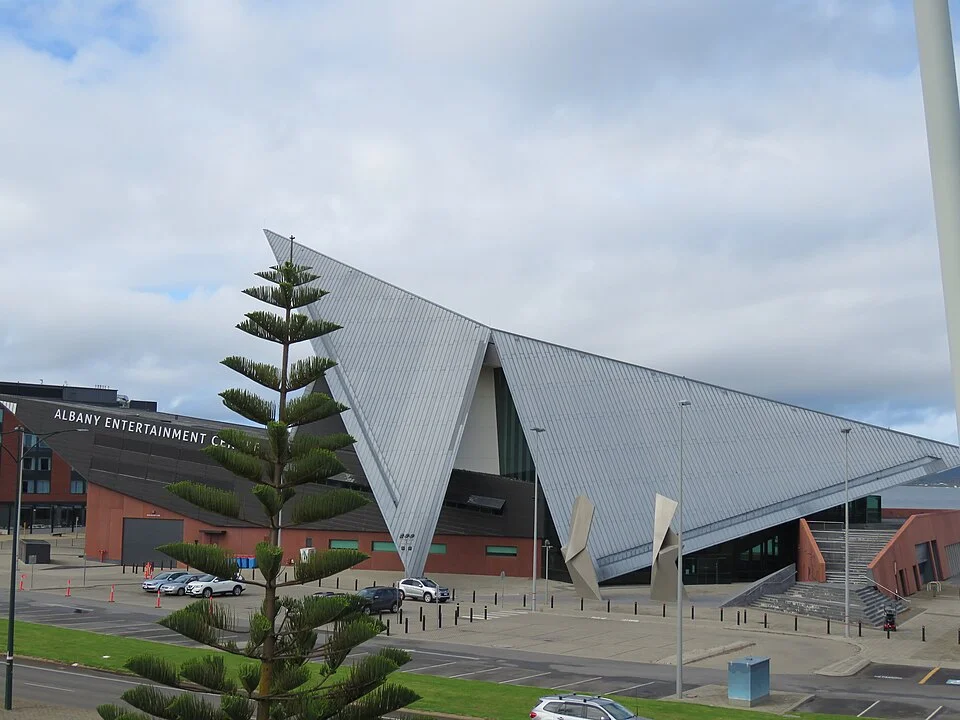
A museum can count 127 works in a collection and still be unable to name most of the children whose hands made the drawings. That gap is central to Once Known, opening on Menang Country at the Albany Entertainment Centre on 21 October. The John Curtin Gallery says only 17 artists have been identified with works in the Carrolup collection. Each child had a name and a family, whether or not a name travelled with the work.
The exhibition shares reproductions of fragile artworks produced by Aboriginal children at the Carrolup Native Settlement in Western Australia during the 1940s. The children had been forcibly removed from their families under government assimilation policies. They made the drawings on Noongar Boodja at the Carrolup School, with encouragement from teachers Noel and Lily White. Work that emerged from this specific place and history went on to be exhibited in Australia and overseas.
The long journey of a collection
Some of the drawings reached the United States. A collection of 127 artworks was rediscovered at Colgate University in New York in 2004. It became known as the Herbert Mayer Collection of Carrolup Artworks. In 2013 Colgate donated it to the Curtin University Art Collection for education and research. The collection forms part of the material from which the exhibition draws.
An artwork can acquire an inventory number, a new custodian and a well-documented sequence of exhibitions while the name of its maker slips out of the record. That is one reason the title Once Known matters. An unidentified artist in a catalogue was once recognised by people who knew the child. The absence belongs to the surviving record. It cannot be taken to mean the child lived without an identity or relationships.
What travels to Albany
The use of reproductions allows the drawings to be shared while the fragile originals are protected. It also asks something of the people describing the show. Visitors should know whether they are looking at a sheet a child handled or at a carefully reproduced image of it. They can attend to the choices evident in the image in either case, while understanding the responsibility involved in caring for the original.
The opening event is scheduled for 21 October. The Albany programme gives public viewing dates from 22 October to 10 December. The gallery advises Aboriginal and Torres Strait Islander visitors that the exhibition includes images, voices and names of people who have died. For anyone coming to the work for the first time, the artists’ youth and the circumstances of their detention are part of the history. So, equally, is their authorship. It was children at Carrolup who made the drawings that travelled so much further than their names.