- The IMF expects global growth of 3.1% this year, against 3.0% in its July forecast.
- India’s upgrade and Saudi Arabia’s downgrade illustrate the divergence underneath.
- The fund’s 2027 baseline depends in part on a reopening timetable for Gulf shipping.
Inside this story 2 perspectives
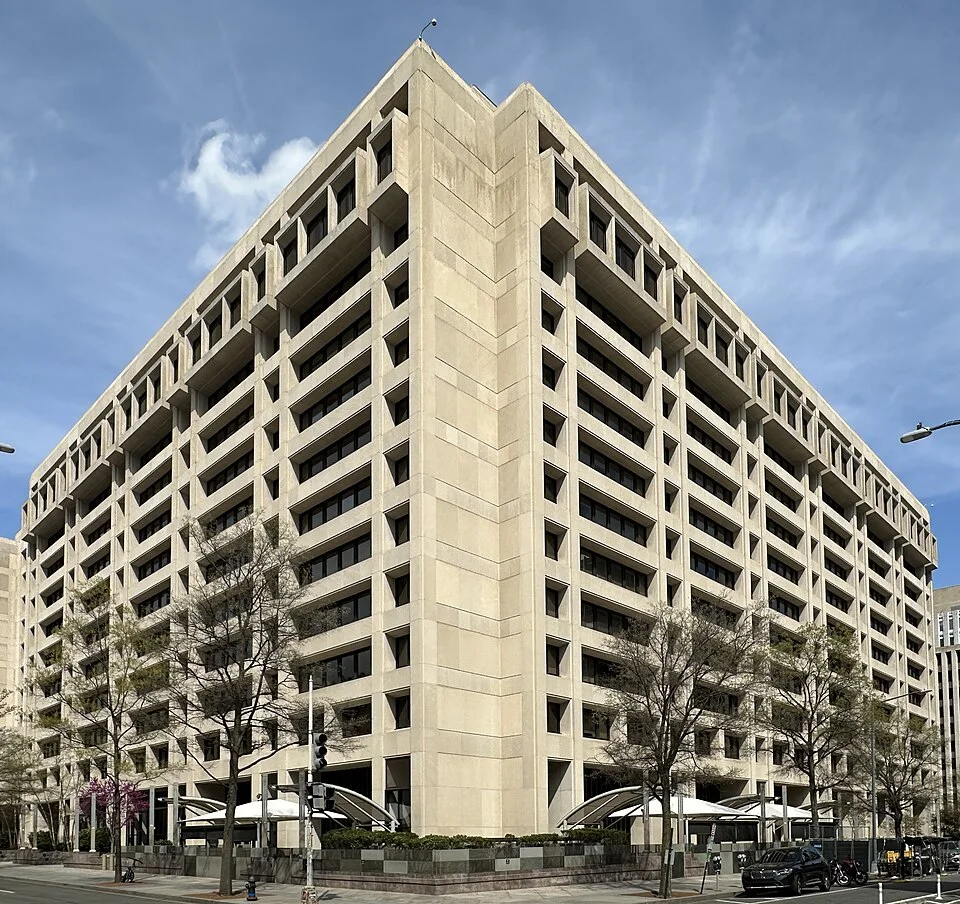
A business looking at a world growth forecast of 3.1% might conclude that remarkably little has changed since July, when the International Monetary Fund expected 3.0%. The figures released in Bangkok on 13 October tell a less comfortable story once countries appear in the picture. Heavy investment related to artificial intelligence has helped offset expensive energy and the disruption of production and trade. These two forces do not operate in the same places or benefit the same companies.
The fund forecasts growth of 3.4% in 2027 after 3.1% this year. That still represents a slowdown in 2026 from the 3.5% recorded for 2025. Global headline inflation is forecast to reach 4.7% this year and then ease to 4.1%. The statistical information used in the main chapter was available through 1 October. A forecast issued in the middle of the month thus comes with both a starting point and a boundary on what its authors knew.
What disappears in the average
India’s growth forecast for this year rose by six tenths of a percentage point compared with July, to 7%. The outlook cited domestic demand, services and investment. Germany’s chemical companies feature in another part of the story as suppliers to industries investing in computing. A rise in spending on technology can extend into businesses well outside the most familiar names in the sector. How much of that activity stays in the country placing an order depends partly on what it has to import.
The movement in Saudi Arabia’s forecast goes in the opposite direction. The IMF now expects output to contract by 3.3% this year. In July it expected growth of 1.7%. The five-percentage-point swing is far larger than the change in the global headline. It is also more relevant to a firm that depends on a customer or a transport route in the Gulf. A contract in a severely affected economy does not become more secure because investment in equipment elsewhere pushed the world average a little higher.
A forecast with a shipping assumption
The outlook assumes the Strait of Hormuz reopens in March 2027 and that shipping conditions broadly return to pre-war levels by October next year. The fund also examined a worse scenario involving oil at $130 a barrel through the first quarter of 2027. In that scenario global growth next year is half a percentage point below the baseline and inflation reaches 5.2%.
Those are separate paths, each attached to assumptions. They offer a business a more concrete question than whether it agrees with one worldwide growth figure. Which of its customers, suppliers and transport contracts are exposed to the changes that would take the economy from the first path to the second?