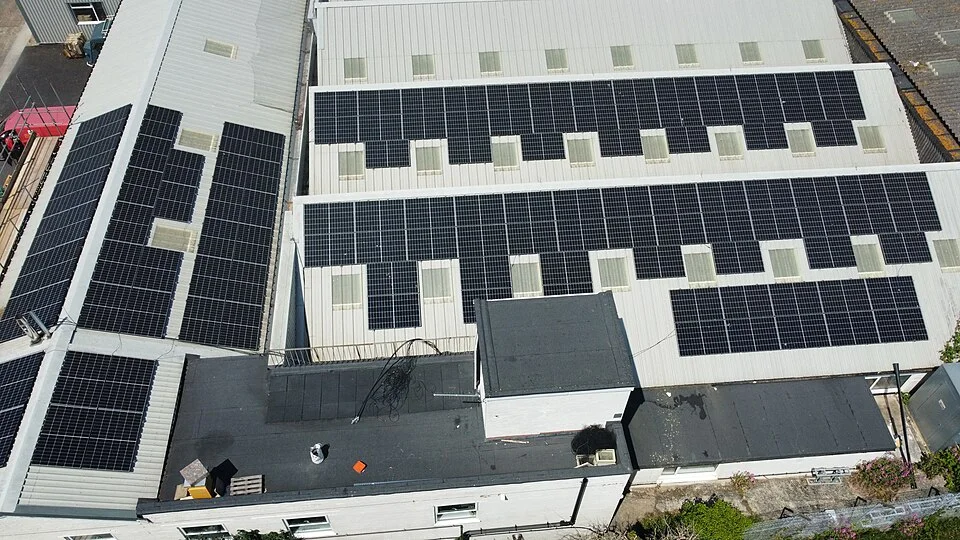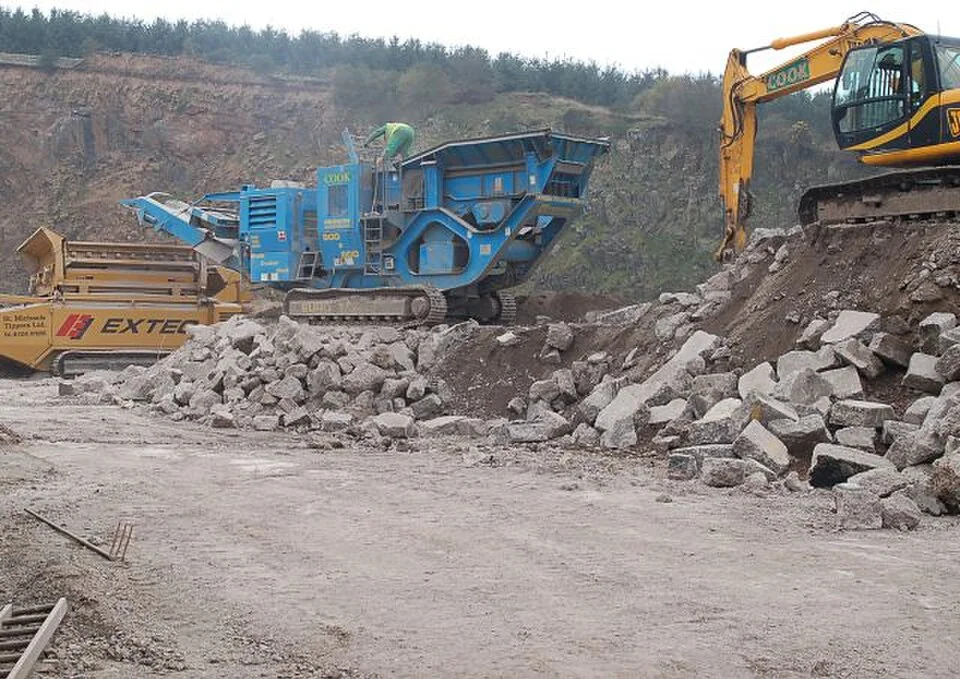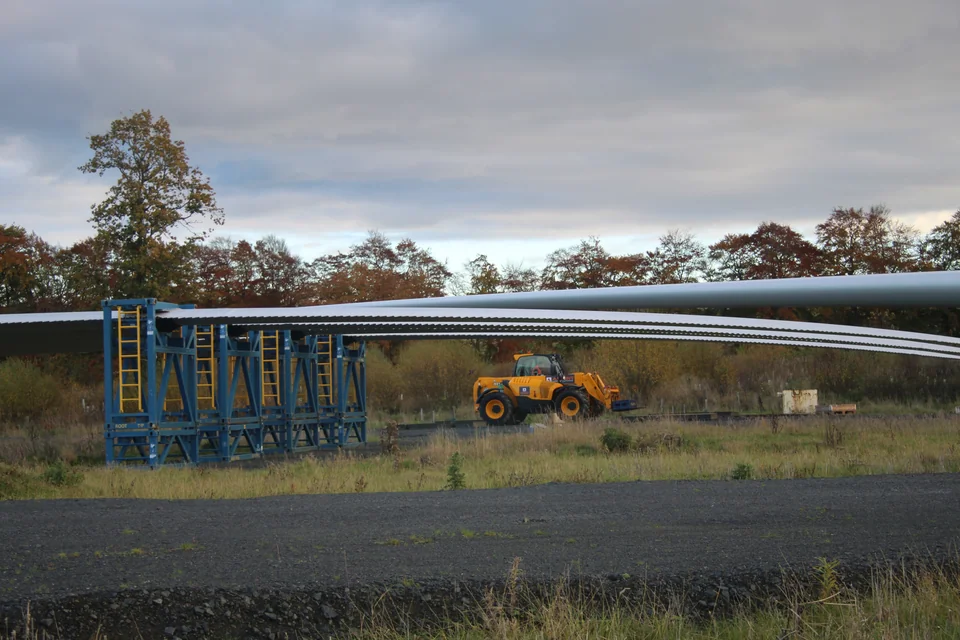
- The Guangzhou team developed equipment for separating and recovering materials from wind blades, solar modules and lithium batteries.
- A Nansha testing project carries a reported investment of about 450 million yuan, with completion expected between late 2028 and 2029.
- The practical questions include what recyclers can recover from mixed loads and whether buyers will take that material consistently.
Inside this story 2 perspectives
A wind turbine blade can look sound as it turns and still show erosion when a maintenance crew gets close. In Guangdong, typhoons can also shorten the working life of energy equipment. The region that manufactures and uses much of China’s clean-energy hardware now has to decide what to do with it when a useful part becomes a very large piece of waste.
A project planned for Guangzhou’s Nansha district would create a testing ground for recycling that equipment. China Daily reported on Wednesday that investment was expected to reach about 450 million yuan, with completion anticipated between late 2028 and 2029. The plan follows work by Yuan Haoran’s team at the Guangzhou Institute of Energy Conversion, part of the Chinese Academy of Sciences. Its research covers retired wind turbine blades, solar modules and lithium batteries.
Taking apart what was built to hold together
One problem is that the strength of a finished component often comes from joining different materials. Once the component comes out of service, a recycler has to separate those materials while preserving enough of their value to interest another manufacturer. Shredding an object makes it smaller. It leaves the question of what to do with the resulting mixture.
The Guangzhou team starts by dismantling equipment and setting aside parts that can be recovered without heat treatment. Its process then heats mixed material in stages so that different components can be separated and recovered. The institute describes work on equipment that handles material continuously and on recovering fibres using microwaves. It says the team developed more than ten pieces of core processing equipment across the project.
The research received a special Guangdong science and technology progress award announced in October. Yuan told China Daily that companies were already applying some of the equipment and methods. The proposed Nansha project would provide a larger setting in which to test recovery. Its anticipated completion date places that work several years ahead.
The buyer at the other end
A recycling process has two customers in practice. One holds an oversized piece of equipment that has to go somewhere. The other wants a material with properties reliable enough to put into a new product. A test on a uniform sample answers only part of that second customer’s question. A facility handling retired equipment must also account for wear, damage and variation in what arrives.
China’s November policy on recycling set out a broader ambition for collection, sorting and treatment by 2030. It covered familiar items such as appliances alongside newer streams of battery, wind and solar waste. For Nansha, the telling details will be what material comes out of the proposed facility, who buys it and how consistently it meets their requirements. Those questions will determine whether a blade at the end of its working life has a buyer for what is inside.