- The original 35mm camera negative survives at the West Bengal State Film Archive.
- Ghose personally supervised colour correction on the restored version of his 1993 film.
- Other restorations at the festival drew on different materials, including release prints and optical soundtracks.
Inside this story 2 perspectives
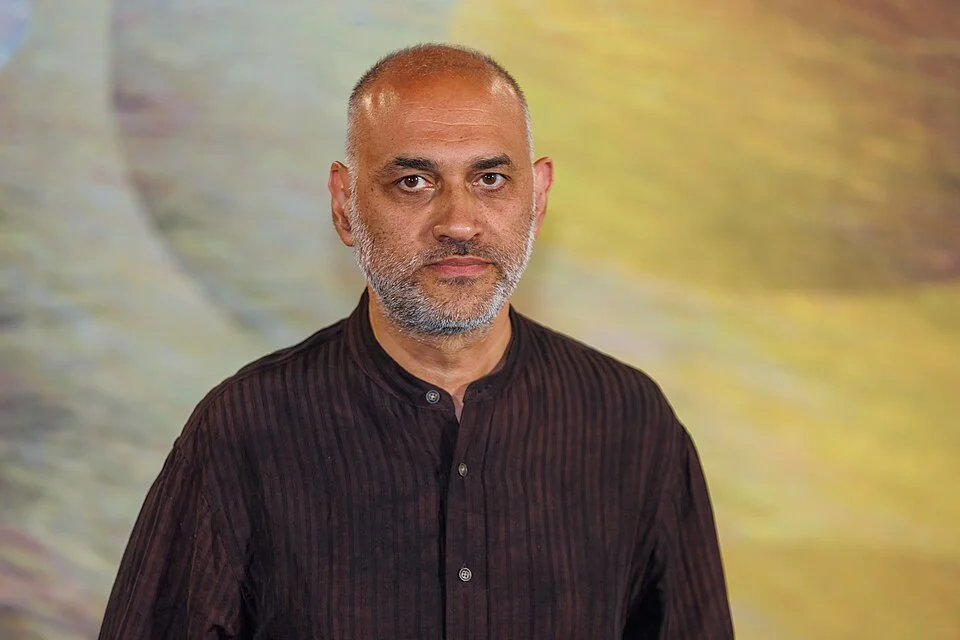
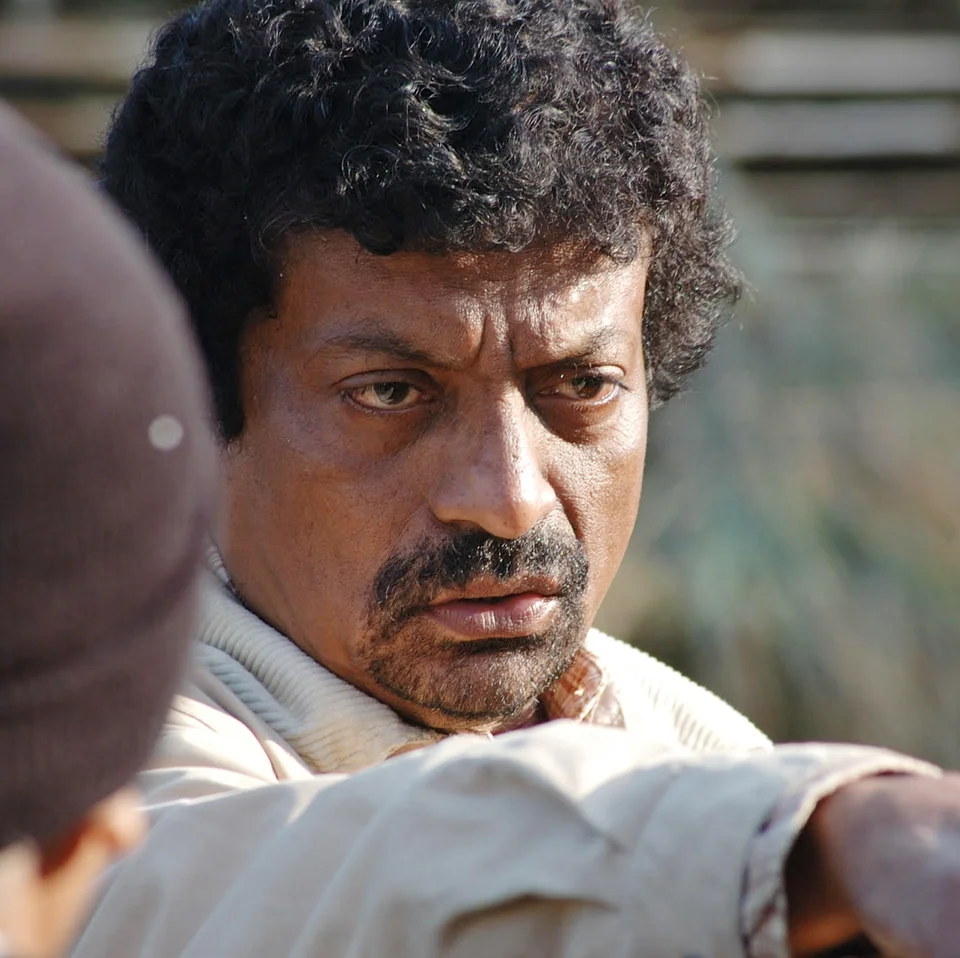
When Goutam Ghose returned to his 1993 Bengali film Padma Nadir Majhi, one of the decisions that still belonged to him was the colour. He supervised the colour correction of the restored film, he told the public broadcaster Akashvani in Goa on Tuesday. The 57th International Film Festival of India put the 145-minute work on its afternoon programme, more than three decades after its original release.
The restoration started with the original 35mm camera negative held by the West Bengal State Film Archive. A scan can bring an extraordinary amount of detail across from such a source. It still takes judgement to decide how that material should look when projected. In this case, the people preparing the digital version could consult the filmmaker who had made those decisions the first time.
What survives in the can
Two films on Tuesday’s programme illustrate how much a screening owes to choices made long before a festival draws up a timetable. Bhalji Pendharkar’s Marathi-language Sadhi Manase, scheduled at Maquinez Palace, also had a surviving original camera negative. The team scanned it in 4K and recovered its audio from the original sound negative in the national film archive’s collection. Preserving the picture and preserving what audiences hear were distinct jobs.
A third title in the same eight-film Indian heritage presentation called for a different approach. The colour in the original negative of Shakti Samanta’s Kashmir Ki Kali had deteriorated badly. A surviving 35mm release print supplied the picture for a new scan, and its optical soundtrack supplied the audio. A print made to circulate to cinemas could still do work that the original camera material could no longer do.
Those distinctions can disappear behind a single word on a programme. Two restorations described as 4K may have started with different generations of film, suffered different kinds of damage and drawn on different sources for sound. The number describes the resolution of a scan. It cannot tell a viewer which objects survived, who compared them or whose memory helped to guide a decision.
A novelist’s river, a filmmaker’s soundtrack
Ghose adapted Padma Nadir Majhi from the novel of the same name by Manik Bandopadhyay. In his Akashvani interview he discussed the work of finding a cinematic form for a literary text. He often makes notes about sound as he writes a screenplay, he said, and values what a stretch of silence or a sound in the environment can convey.
That account gives the restoration a dimension beyond the colour he supervised. A viewer encountering the work in a cinema can attend to a quiet passage as closely as to a shot. Goa’s programme makes room for that experience alongside new releases. It also shows why an archive has reason to keep an optical soundtrack, a distribution print and a camera negative, even when all three carry the same title.