- The study built a reference line from stable water isotopes in meltwater from 61 glaciers.
- The researchers estimated loss of stored climate information, which is distinct from loss of ice volume.
- A high value at the single African glacier in the sample cannot be generalised to the continent.
Inside this story 2 perspectives
A glacier can disappear in two different senses. A surveyor can measure the shrinking area covered by ice. A scientist can also ask how much evidence remains of the weather that put the ice there in the first place. On 17 August, researchers published a way to investigate the second loss using water running out of glaciers.
Yuliya Vystavna and colleagues drew on observations from 61 glaciers across five continents for their study in Communications Earth & Environment. Their material was ordinary water with a measurable difference. Hydrogen and oxygen each occur in forms, called isotopes, with different masses. The relative amounts of the heavier forms in rain and snow vary with climatic conditions. When snow accumulates and becomes ice, some information about the conditions in which it fell is preserved.
A reference for water that has spent time as ice
Researchers already have extensive observations of isotopes in modern precipitation. The international monitoring network coordinated by the International Atomic Energy Agency and the World Meteorological Organization provides long-running records from many locations. A river or glacier sample can be compared with patterns seen in the rainfall and snowfall feeding a region.
The new study fitted a global reference line for glacier meltwater. Its relationship between the two measured isotopes differed from that found in modern precipitation. Water emerging from a glacier combines material deposited at different times and affected by processes within the ice. A sample captured at the outlet therefore offers a composite picture. It cannot be read like a diary entry with one date and one recorded temperature.
Why a percentage needs its own label
The team used this relationship to estimate the loss of information stored in the ice. It reported a value of 72% at the one African glacier represented and an average of 47% for the European glaciers studied. The African value cannot stand in for a continent. Nor does either percentage mean the same fraction of glacier volume has melted, or the same number of years of records has simply been erased.
For a water manager, an obvious question is where a stream’s flow came from during a particular season. Recent rainfall, seasonal snow and longer-stored ice can contribute in different proportions. Measurements over time give investigators a way to test that mix alongside records of precipitation and flow.
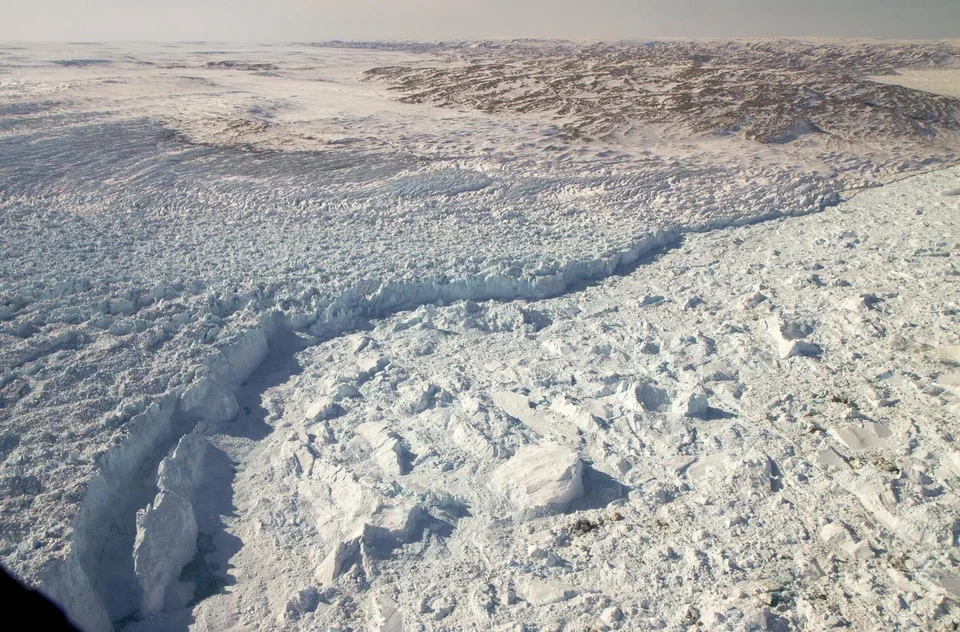
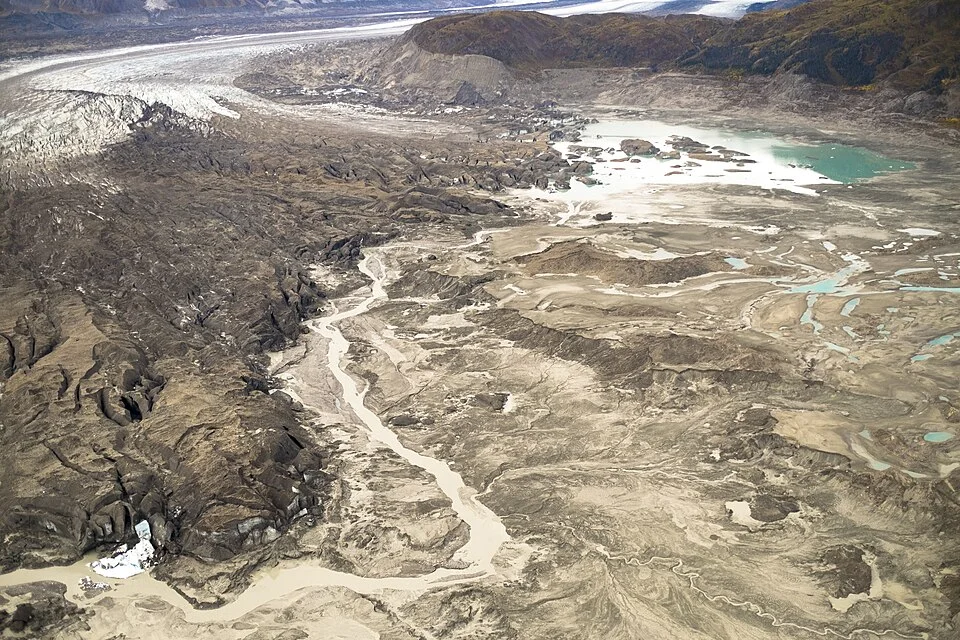
That is a different use of climate evidence from looking at a single dramatic photograph of retreat. The edge of a glacier shows where the ice ends today. The proportions of isotopes in a stream below it can help reveal something about the snow that accumulated there long before anyone arrived to take the picture.