- The Bank of Ghana’s July committee voted unanimously to keep the policy rate at 14%.
- Ghana Statistical Service reported annual food inflation of 3.9% and non-food inflation of 6.3% in June.
- A national inflation measure and a household’s own pattern of spending answer different questions.
Inside this story 2 perspectives
A household paying school fees and rent could have read Ghana’s June inflation figure and wondered whose shopping basket the statisticians had in mind. Consumer prices rose 5.3% over the preceding year, the Ghana Statistical Service reported in July. But food prices rose 3.9% and the much broader non-food category rose 6.3%. Transport, rent, education and accommodation services were among the pressures the government statistician identified.
These were the numbers on the table when the Bank of Ghana’s monetary policy committee met from 20 to 22 July. All its members voted to leave the policy rate at 14%. Ghana enters August with that benchmark in place and with a small puzzle for anyone trying to read the economy from their own bills. Prices, the speed at which prices change and the interest charged on a loan each measure something different.
A family budget has its own weights
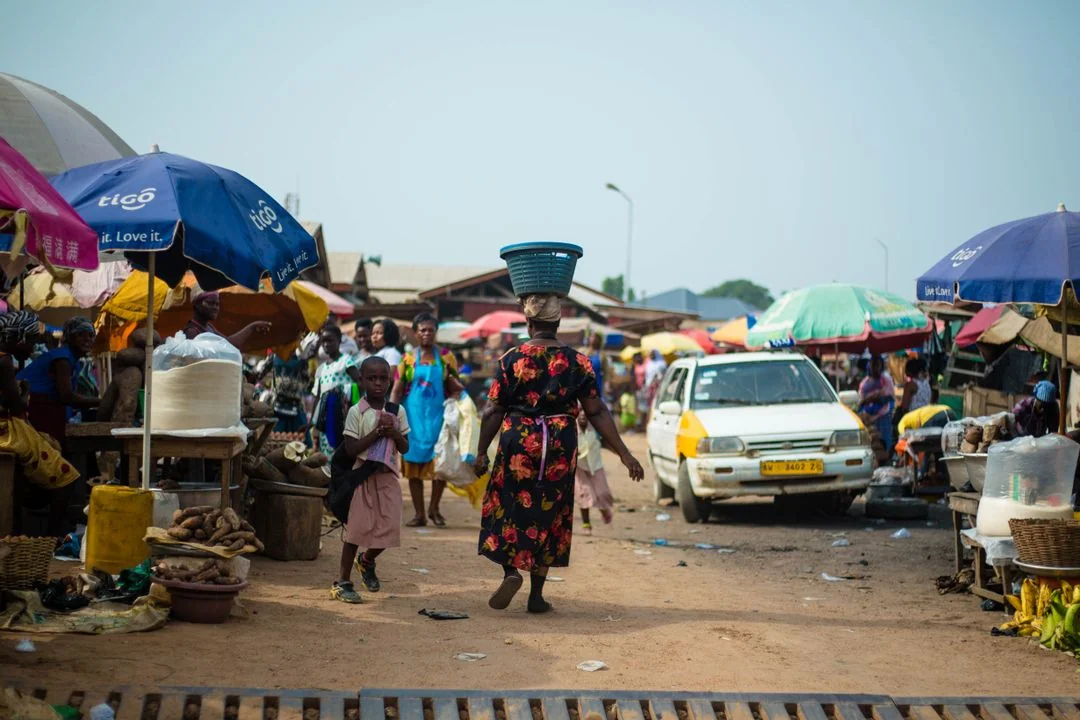
The national index brings many different purchases into a single figure. A household spending a large share of its income on staple foods buys a different mix from a family paying for a long commute and private accommodation. Even two neighbours shopping in the same market can reasonably describe the month differently. Where one lives matters too. The statistics office reported annual inflation of 10.2% in North East and 4.4% in Bono East in June.
The distance between those regional readings is wider than the national rate itself. It does not establish that the first region is more expensive than the second. The figures tell us how prices in each place changed from its own level a year earlier. A lower-priced item can rise more quickly than an expensive one and still cost less at the till.
What the committee was weighing
June marked the third consecutive increase in the headline inflation rate. It had stood at 3.7% in May. In its published submissions, the committee discussed risks including oil, fertiliser and transport costs. The route from an international price change to a local bill can involve a distributor, a wholesaler and the terms on which a retailer bought stock. The committee could identify exposure without knowing precisely when it would appear in a particular shop.
A shopkeeper reviewing an August credit offer has another number to consider. A 14% central bank policy rate is a benchmark, while the actual repayment on a loan comes from the lender’s terms, fees and duration. Subtracting the June inflation figure from the policy rate will not give the shopkeeper the cost of the loan or the return on buying more stock.
For a family discussing a remittance, the most revealing follow-up to the national figure may be more ordinary. Which payment changed, when is it due, and what else must the same transfer cover? The answers can explain why a relative needs more help even in a month when the headline number looks manageable from abroad.