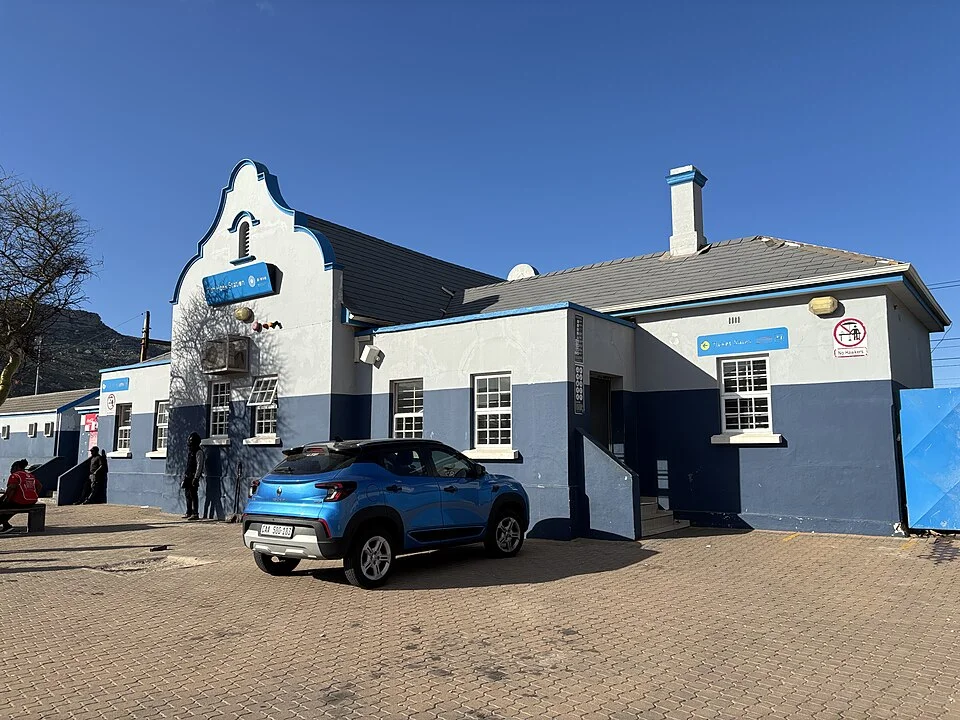
- Director Luke Sharland’s first idea was a film about his sister Jessie, who works in Fish Hoek.
- Normal to Me grew into a documentary centred on several colleagues at the Joyce Chevalier Centre.
- The Mpumalanga festival paired the film with four international works and set aside time for questions.
Inside this story 2 perspectives
Luke Sharland went to collect his sister Jessie from work in Fish Hoek and came away with a film idea. He initially wanted to make a documentary about her. Once he got to know her colleagues at the Joyce Chevalier Centre, the plan changed. Five people would have leading roles in a story about a workplace seen through the eyes of the people who spend their days there.
On 6 August, the Mpumalanga International Film Festival scheduled the resulting feature, Normal to Me, for its morning programme in Mbombela. The bill opens with Lamtiar Simorangkir’s Indonesian short Where is Home? and includes films from Malawi, Taiwan and the United States. Sharland’s South African documentary has the final slot. Each screening has time set aside for a moderated conversation with a filmmaker.
The first person the director knew
Sharland described the project’s beginnings to the False Bay Echo in 2024. His family had moved to Fish Hoek in 2020, and Jessie found a community at the centre. Meeting her colleagues prompted him to approach the manager, Catherine Pitt. The eventual production took about a year and a half. The centre runs a protective workshop as well as a separate daytime programme for adults with higher support needs. The film follows people who work at the workshop.
The shift from one protagonist to several matters. A sibling has a particular kind of access to a family story. Co-workers can introduce another version of the person a relative knows, along with routines, jokes and loyalties of their own. They can also take the story somewhere the original idea never anticipated. There is room in the finished film for an ambition that has little to do with the programme description on a festival website.
Reviewing the documentary at the 2025 Encounters festival, critic Alice Johnson described participant Shaun Payne talking about becoming a bodybuilder. She also picked out the way the camera moves between speakers and the film’s choreographed dance finale. Those details offer an audience several ways to remember people they have met on screen. Somebody can come away talking about a shared interest in sport or dancing, or about the person who keeps a workday moving.
Who helped shape the film?
At Mbombela, a ten-minute discussion occupies a place in the timetable alongside the screenings. That interval is a chance to ask a question the director is especially well placed to answer. How did the people at the centre influence decisions about which stories would appear on screen? An answer about a moment somebody wanted kept, changed or left out can reveal more about the making of this documentary than a general discussion of what inclusion means.