- The A$7.8 million plant can treat up to 700 megalitres annually.
- The council is pursuing approvals for dust suppression and concrete batching.
- Independent assessment and actual uptake will help establish the value of the system.
Inside this story 2 perspectives
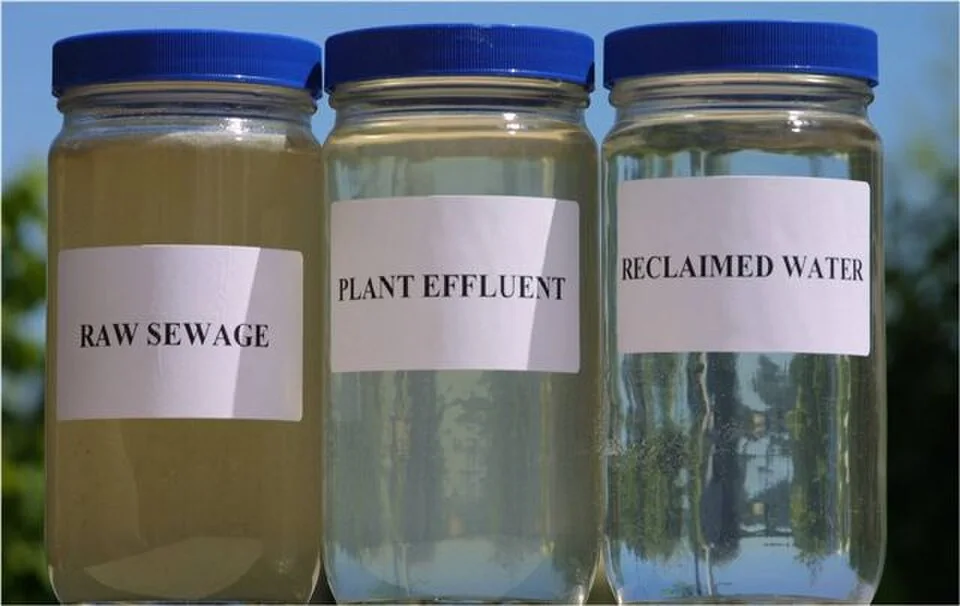
A construction site needs water even when it is doing something as dry as moving earth. Roads need dust suppression and concrete needs water for batching. In Dubbo, in central New South Wales, the council and renewable energy developer Squadron Energy have finished a plant that could supply some of that demand from treated wastewater. The partners marked completion on 8 September. Approvals for the proposed construction uses were still in progress.
The A$7.8 million facility sits beside Dubbo's existing sewage treatment plant. It can process up to 700 megalitres of effluent a year, equivalent to 700 million litres. Dubbo Regional Council puts that figure at about 11% of annual regional water use. Capacity is the upper limit the plant is designed to handle. The quantity of freshwater it eventually displaces will also depend on the uses approved, the water actually produced and customers able to take it.
A different route through a treatment plant
The new system uses technology developed by Troy Warry. In ABC's 12 September account, Warry described a reactor designed to break down certain persistent contaminants in the water. A conventional separation process can leave an operator with a clean stream on one side and a concentrated waste stream on the other. Inland communities then have to decide where that concentrate can go. The design in Dubbo seeks to deal with certain compounds through treatment within the process itself.
Stuart Khan, head of civil engineering at the University of Sydney, told ABC that he was not aware of this technology being used at full scale in a town wastewater plant. He identified avoiding the salty waste associated with a process such as reverse osmosis as a potential advantage inland. He also said he would want to see results before judging its impact. Operating data will matter more to the next council considering the idea than any claim about being first.
Who will use the water?
Dubbo Regional Council has engaged the University of Newcastle to help test the effluent and investigate possible uses. Water for a construction site and water applied to a sports field would reach people in different ways. Each proposed application therefore brings its own questions about quality, handling and oversight. The opening of the plant does not authorise every possible destination for the water it produces.
The council and Squadron announced the project in 2024 and construction began in August 2025. Its first test now is practical. A developer with demand for construction water and a council with a source of effluent have brought the infrastructure together. The continuing public value depends on matching tested water to approved uses, in volumes that give the town a meaningful alternative when freshwater is under pressure.