- Conventional shell egg volume slipped 0.7% while the average price fell 59.3%.
- Prepared foods accounted for a larger share of sales even though their own sales fell 13%.
- The latest loss also affects the timing of any later payment under the variable dividend policy.
Inside this story 2 perspectives
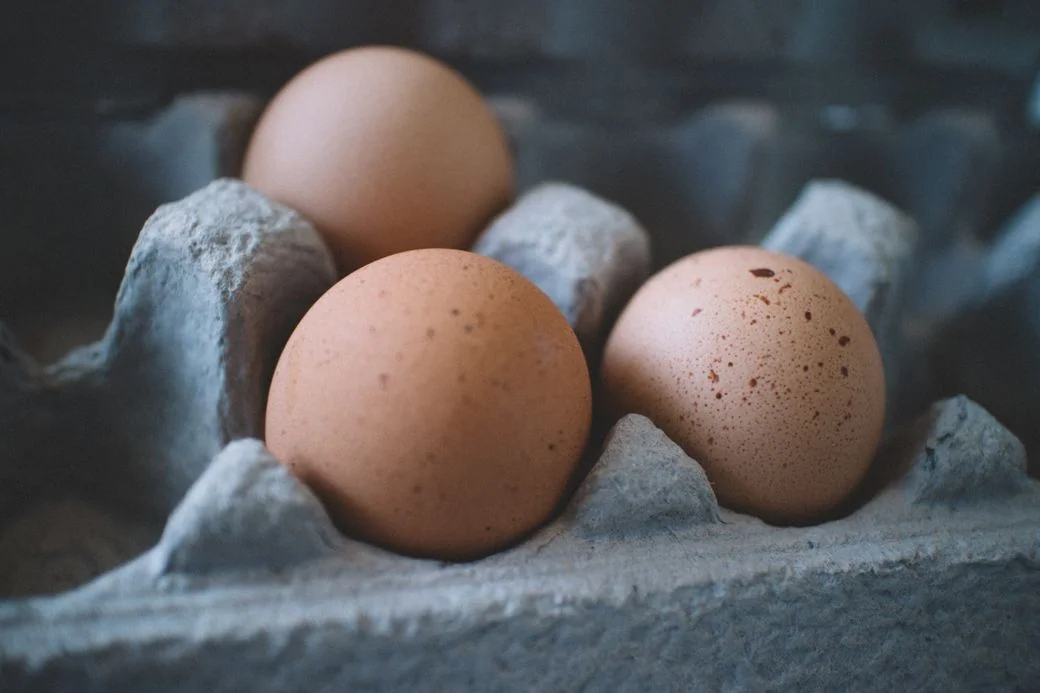
A conventional egg still left Cal-Maine Foods’ business for almost every egg it sold a year earlier. The amount paid for those dozens changed far more dramatically. In results released on 30 September, the US producer reported that its conventional shell egg volume fell just 0.7% from a year earlier in the quarter ending 29 August. Its average selling price per dozen fell 59.3%. Revenue in that segment dropped from $498.4 million to $201.7 million.
That difference matters to anybody trying to read household shopping habits out of a producer’s accounts. The sales decline tells us little about families suddenly abandoning eggs. Cal-Maine attributed weaker prices to an industry flock that had been rebuilt, abundant supply and the seasonally softer period. Its reported price is what the company realised on average. A grocery shelf price also reflects the retailer, the contract and when the eggs were bought.
A larger share of a smaller total
Cal-Maine is trying to build sources of income beyond conventional shell eggs. Prepared foods accounted for 11.7% of its sales in the quarter, up from 7.8% a year earlier. Read in isolation, those percentages suggest a fast-growing business. The dollar and physical measures say something more interesting. Prepared foods sales declined 13%. Pounds sold fell 19.3%, with temporary production reductions during capacity work among the reasons the company gave.
The share rose because the conventional egg business shrank much faster. The prepared foods operation was still profitable at the segment level, and its average selling price per pound rose. Those are separate observations. A line of business can provide some protection against a commodity price decline, account for a bigger part of the company and sell less product than it did in the same quarter last year.
Why one good quarter would not restart the dividend automatically
For the whole company, net sales fell 41.5% to $539.6 million. The net loss attributable to Cal-Maine was $58.6 million, against income of $199.3 million in the comparable period. Under its variable dividend policy the company will make no cash dividend payment for this quarter. The policy also looks back when earnings recover.
At the end of August, Cal-Maine put the cumulative loss that had to be recovered before a future dividend at $94.5 million. A later quarterly profit would therefore need to be read alongside the remaining deficit. The number to watch depends on the question. Volume helps explain customer demand, realised price helps explain this quarter’s earnings and cumulative profit helps explain when shareholders could next receive cash under the policy.