- Copper contributed more than half of BHP’s underlying EBITDA for the first time.
- The company reported about US$22 billion in operating cash flow and about US$10 billion in free cash flow.
- A US$500 million early commitment for a new concentrator precedes a final project decision.
Inside this story 2 perspectives
An owner of one BHP share can put a precise number on the final dividend declared in the mining group’s August results. It is 99 US cents. Putting a number on the copper that will support dividends a decade from now is harder. One of the most informative lines in the results is a commitment of US$500 million to a project in Chile that still awaits a final investment decision.
For the year to 30 June, BHP produced roughly two million tonnes of copper, the second year running at about that level. Copper contributed more than half of group underlying earnings before interest, tax, depreciation and amortisation for the first time. The wider group generated close to US$33 billion on that earnings measure. Reliable operations and strong commodity prices both helped, according to the company.
From ore to a distribution
The threshold matters to anyone who still pictures BHP primarily through its iron ore trains. Western Australian iron ore production and shipments set records in the same year. A record in tonnes for one commodity can coincide with another taking the larger share of earnings. The price received and the cost of producing each unit help determine which metal contributes the most money.
Underlying EBITDA also sits several steps away from a dividend. It gives a view of operating earnings before several charges. A mine consumes cash in ways that measure leaves out, including investment in the equipment and facilities needed to keep processing ore. BHP reported about US$22 billion in net operating cash flow and about US$10 billion in free cash flow. The gaps between these figures are large enough to matter even when stated to the nearest billion.
The declared distribution was the company’s largest final dividend in four years. For an individual shareholder, its significance is the cash attached to each share for this distribution. Using it as the starting figure for a permanent annual income would require assumptions about prices, spending and future board decisions that one set of accounts cannot settle.
What the early money buys
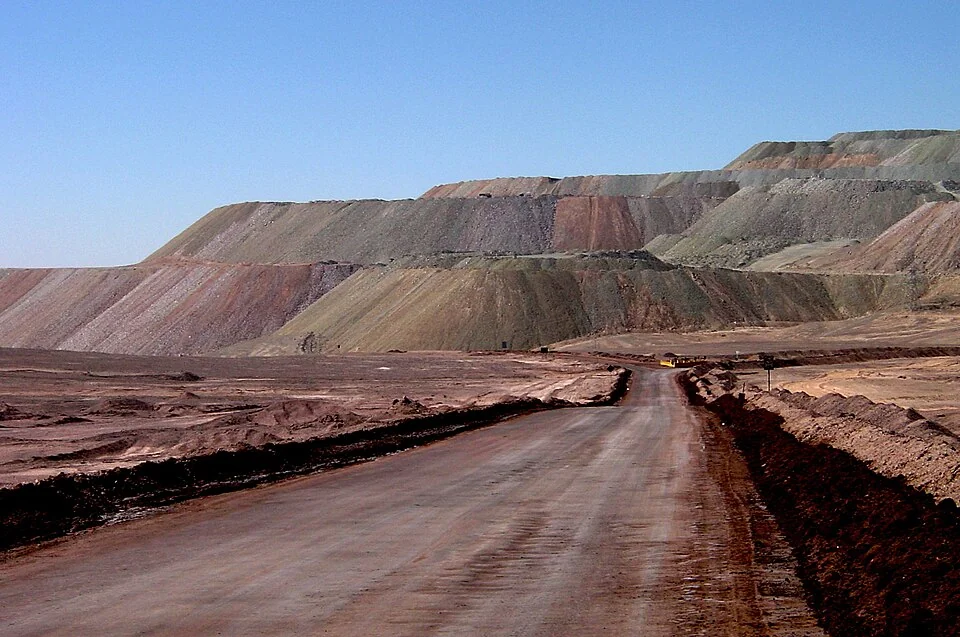
At Escondida, BHP approved US$500 million in advance spending for a new concentrator, the plant that separates valuable minerals from mined material. The group places the final investment decision in calendar 2027 or 2028. A project can need engineering and preparation at considerable expense before the board is ready to commit to the whole build.
BHP sees projects across Chile, Australia and Argentina with the potential to raise copper production by around 40 per cent by its 2035 financial year. A holder of the shares can therefore mark three separate entries in a notebook. One is a dividend the board has declared. Another is money authorised for early work. The third is a possible future production level. Each says something about where BHP’s cash is going. Only the first comes with a figure already declared for each share.