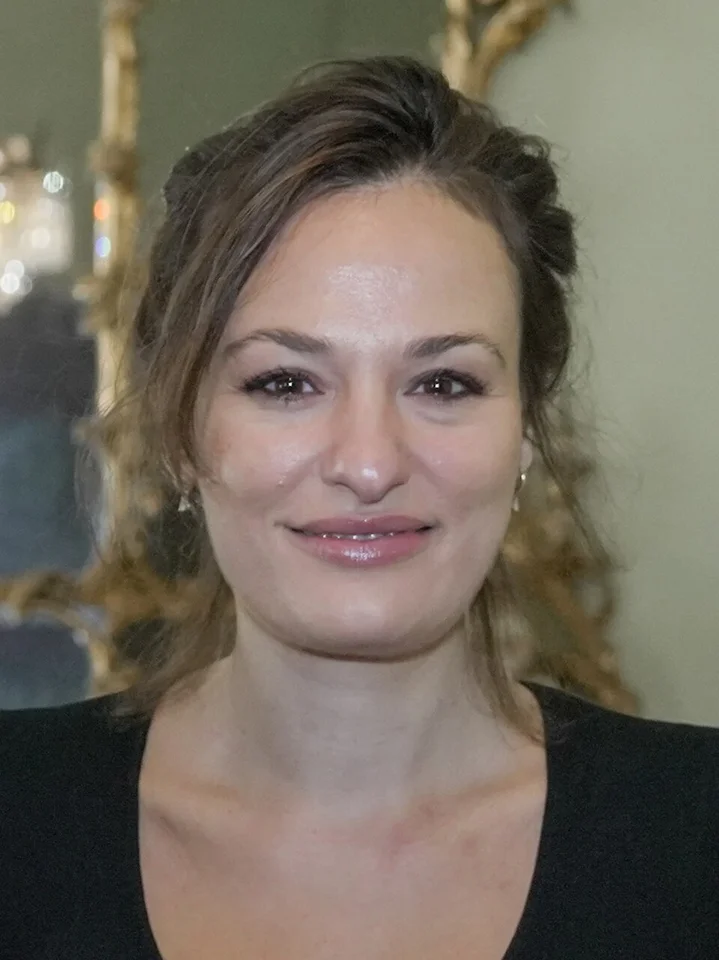
- The Philharmonia programmed the concerto with Nicola Benedetti and conductor Jakub Hrůša on 1 November.
- Mendelssohn brings the violin in almost immediately and places a written cadenza before the return of the opening material.
- A sustained bassoon note connects the first movement to the second.
Inside this story 2 perspectives
Nicola Benedetti was the featured soloist on the Philharmonia’s Sunday afternoon programme at London’s Royal Festival Hall. Her piece, Felix Mendelssohn’s Violin Concerto in E minor, announces its star almost immediately. Anyone following the work, in the hall or on a recording, might also listen for the moment when the violin hands responsibility for the next phrase to a bassoon.
Jakub Hrůša was billed to conduct a programme opening with the overture to Bedřich Smetana’s The Two Widows and closing with Robert Schumann’s Third Symphony, the Rhenish. Between them, Mendelssohn’s concerto offers a particularly clear invitation to listen for exchanges. The soloist can fly above the ensemble one moment and supply the sound beneath another musician’s tune the next.
When the big solo comes early
Mendelssohn wrote to violinist Ferdinand David in 1838 about an opening melody that kept returning to him. David, concertmaster of the Leipzig Gewandhaus Orchestra, advised the composer while the score took shape. Mendelssohn completed the concerto in 1844. Its famous first tune sets the soloist to work without a long orchestral introduction.
A cadenza gives a concerto soloist room to play at length with little or no accompaniment. A listener might expect a virtuoso display near the end of the movement, with the orchestra waiting to put a full stop after it. Mendelssohn writes the passage out and places it before the main theme returns. As the violin moves into rapid figures, the orchestra takes up the tune. The familiar sound of the opening is there, but the jobs have changed hands.
The note that keeps going
At the close of the first movement a bassoon sustains a single note across the boundary into the next. It is a small part with considerable responsibility. A three-movement concerto offers three recognisable stretches of music. This note carries the listener into the slow middle one without the full release of a pause. A brief passage for violin and strings also connects the middle movement to the finale.
These are details a listener can test without reading a score. Follow the tune at the start. When it returns after the long solo passage, ask who is playing it now. Then listen for the last sound still hanging in the air when the opening movement seems to have finished. There is plenty of brilliance in the violin writing to command the room. Some of the pleasure of the piece comes from hearing just how carefully Mendelssohn prepared the moments when someone else gets a turn.