- Annual inflation rose from 4.3% in September to 4.9% in October.
- Electricity prices were 25.2% higher than a year earlier, when federal rebates lowered bills.
- The trimmed mean reached 3.8%, and traders pushed back the timing of a fully priced interest-rate cut.
Inside this story 2 perspectives
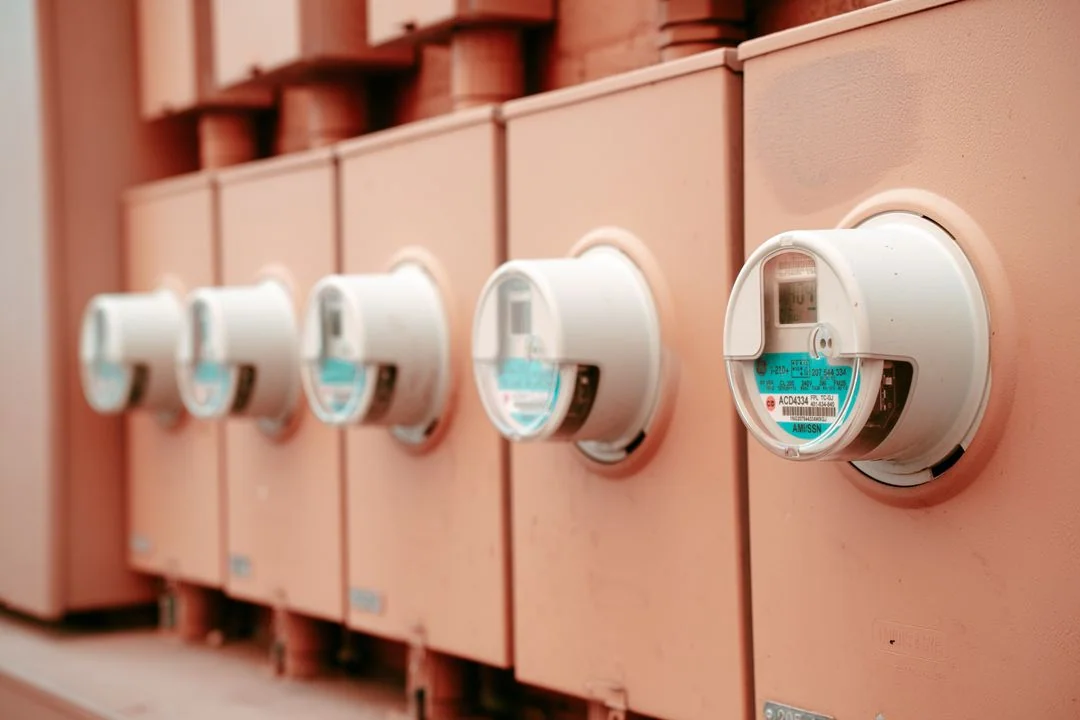
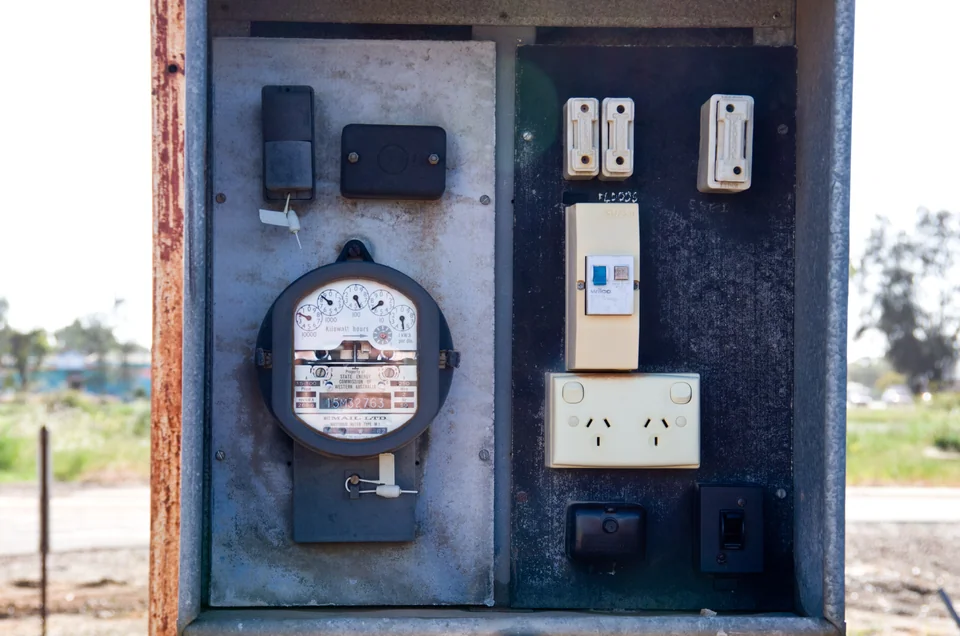
The cost of electricity in Australia was 25.2% higher in October than a year earlier. That figure, released on Wednesday by the Australian Bureau of Statistics, describes what households paid after government rebates. It also helps explain why the national inflation rate jumped from 4.3% in September to 4.9% in October.
Federal rebates had lowered household electricity bills a year earlier. With those credits gone, the comparison was against an unusually low starting point. For a household paying the bill, losing a credit still takes money out of the budget. For someone trying to understand inflation, a 25.2% annual rise in electricity costs tells a different story from a supplier lifting its underlying tariff by that amount.
What changed between two bills
Consider two households using the same amount of electricity in successive Octobers. If one had a credit applied to the earlier bill, the rise in the amount it pays can be large even at an unchanged tariff. A useful comparison starts with the net bill, then looks at usage, the rate charged and any credit as separate lines. The national figure averages across households whose circumstances differ.
Housing was the largest contributor to annual inflation. The wider category rose 6.4%, up from 5.2% a month earlier. Electricity was one reason. The cost of new dwellings rose 5.1% over the year as builders passed on higher material and labour costs, according to the bureau. Drivers felt a separate pressure. Automotive fuel prices rose 6.3% in October alone as global oil prices increased.
The consumer price index as a whole rose 0.5% from September, before seasonal adjustment. Changes in prices for a single month and changes over a year each answer a different question. A rise at the petrol pump this month can coincide with a jump in an annual electricity comparison whose origin dates back a year.
What borrowers heard
The bureau’s trimmed mean, which removes the most extreme price movements at either end of the distribution, rose to 3.8% over the year from 3.6% in September. October’s fuel movement fell outside that measure. Even with that jump set aside, underlying inflation was running above the Reserve Bank of Australia’s 2% to 3% target range.
Reuters reported that traders still expected the next interest-rate move to be down after the release, though markets did not fully price in a first cut until August. That is a snapshot of expectations. For a borrower working out what the next few repayments will cost, the distinction matters. A lower rate written into a household spreadsheet only changes cash flow when the lender actually applies it.