- Headline consumer prices in Japan rose 2.3% over the year to October.
- Removing fresh food alone or removing both fresh food and energy produces the same October figure, with different September comparisons.
- Goods prices rose faster than service prices, while the next policy decision was still ahead.
Inside this story 3 perspectives
Two of Japan’s most closely watched inflation rates came in at 2.2% in October. One rose to get there. The other fell. Energy, a regular household expense, explains why the two measures can diverge.
The national figures released on 20 November put the rise in the price of the full consumer basket at 2.3% from a year earlier. Exclude fresh food and the annual increase was 2.2%, up from 2.1% in September. Exclude energy as well as fresh food and the October figure was also 2.2%, down from 2.4%. These are changes over twelve months. None describes a jump of that size between September and October.
What went into the basket
Fresh food prices can move sharply with supply, which is why Japan publishes a widely followed measure that leaves them out. That version still picks up a change in an electricity bill or the price of fuel. Remove energy as well and a different group of purchases drives the result. A crossing of the two rates does not mean households suddenly faced identical price changes on everything they bought.
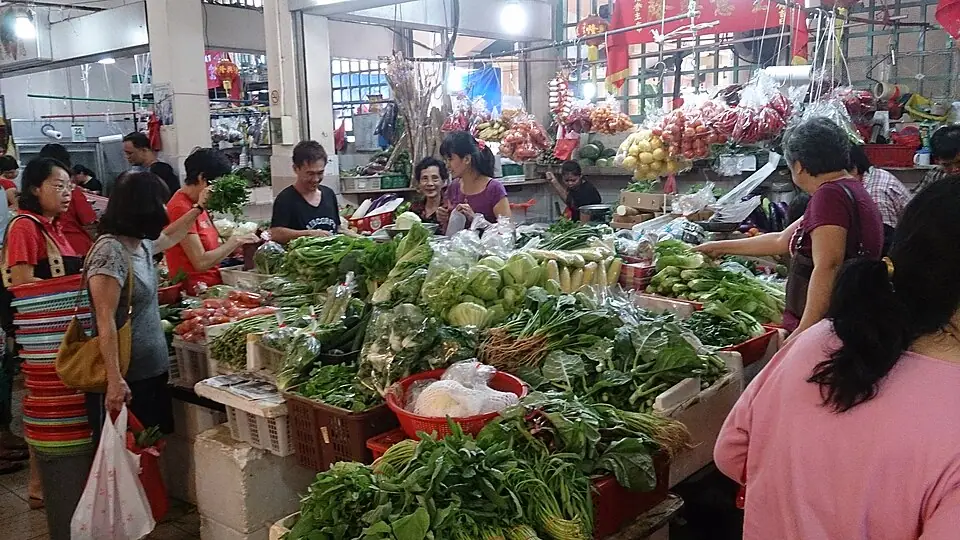
Consider a household that buys fresh produce, pays for electricity and spends very little on services in a particular month. All three categories enter the national headline measure, but their weights in that household’s budget differ from their weights in the index. The national number gives a useful benchmark. The family’s receipts tell it which bills are actually crowding out other purchases.
Goods and services tell different stories
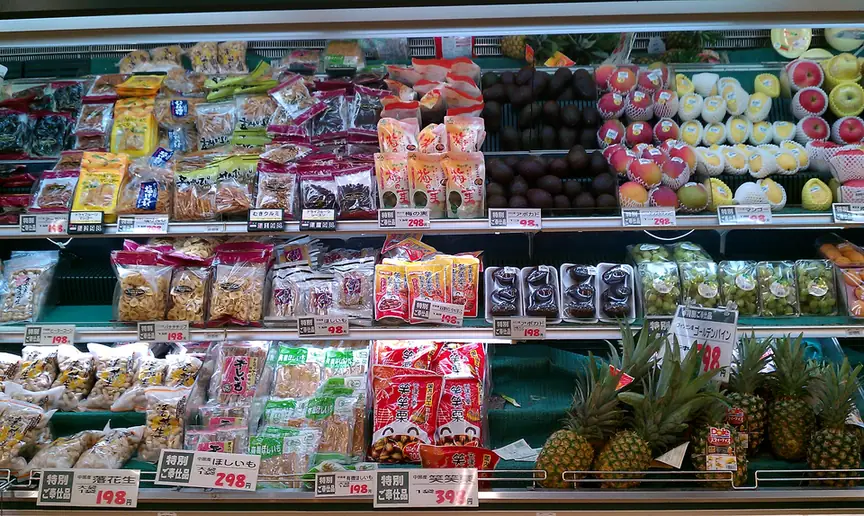
Reuters reported that goods prices rose 3.2% over the year to October, against a 1.4% rise in service prices. Food inflation slowed, from 2.9% in September to 2.2% in October. Slower growth in food prices still leaves the average food bill higher than a year earlier for an unchanged basket. It would take a fall in the price level to reverse part of that increase.
For a shop deciding whether to change its prices, the relevant comparison might instead be the next invoice from a supplier. Goods with imported inputs can expose a retailer to costs that a local service business feels differently. A national average cannot tell a shopkeeper whether customers will accept a higher shelf price.
The decision still ahead
The Bank of Japan kept its policy rate around 1.25% at its October meeting. The November price release gives its board another observation before the December meeting. The acceleration in the measure excluding fresh food offers one reason to watch prices closely. Slower inflation once energy is removed gives the board another question to investigate. Even with two identical October readings, nobody has a December rate decision in hand.