- Observed global oil stocks declined by 69 million barrels in July.
- Only about six million barrels of the decline came from onshore holdings.
- The IEA’s annual demand estimate is a forecast dated 12 August.
Inside this story 2 perspectives
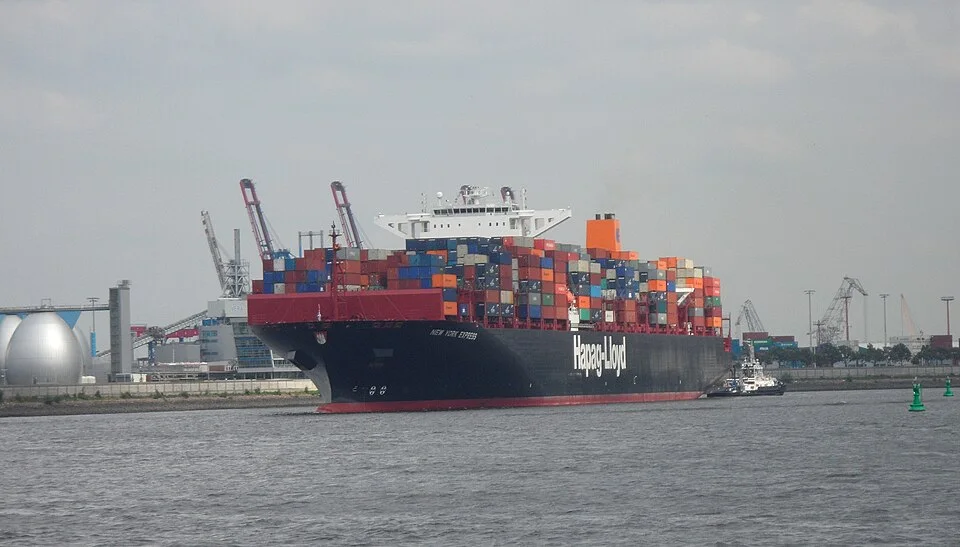
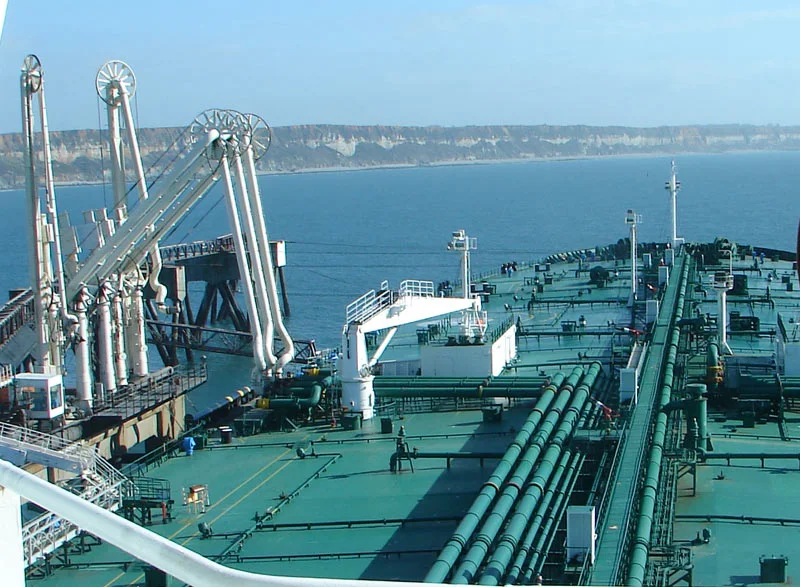
Where would you look for 69 million barrels of oil? A tank farm seems a sensible place to start. Yet the International Energy Agency says a drop of that size in observed global stocks during July happened overwhelmingly at sea. Onshore stocks fell by about six million barrels. The remaining change mostly reflected smaller volumes of oil on the water as shipments from the Gulf and Caspian regions were disrupted.
The agency’s 12 August report separates three figures often squeezed into one oil headline. Production is the rate at which oil is brought to the surface. Demand measures consumption. Stocks are a quantity held at a particular time. A barrel can have left the producer and still be weeks from a refinery. On a long route, the oil in transit is part of the physical supply that buyers are counting on.
How a smaller queue of ships changes the calculation
Imagine a refinery receiving one cargo every week, with four cargoes usually at different points along the route. If one week’s shipment fails to leave port, the refinery may still receive the vessel already arriving. Yet its margin for dealing with another problem has narrowed. There is a hole in the queue long before a buyer sees an empty tank at the refinery gate.
July’s figures illustrate the distinction. The agency estimated global supply at 101.5 million barrels a day, up by 2.4 million barrels a day from June. That left it 6.3 million barrels a day below the comparable level a year earlier. Output can be recovering on one comparison and sharply reduced on another. Neither percentage alone tells an importer whether the grade of crude its facility needs will arrive on schedule.
The same issue reaches customers buying finished fuels. A crude cargo cannot immediately substitute for a missing diesel delivery. It requires a suitable refinery, time to process it and transport for the resulting fuel. The agency estimated that global refinery throughput in July was still nearly five million barrels a day below its level a year earlier. A fuel buyer has good reason to ask where capacity is available, even when crude production has improved.
A forecast with a date attached
The August report expected global oil demand to decline by an average of 1.6 million barrels a day in 2026. That was a larger contraction than the agency expected a month earlier. Continued shipping disruption and high prices were among its assumptions. A business drawing up a fuel budget should record the date of such a forecast and the conditions behind it. A change in shipping access can alter both supply and consumption.
For a refinery or a transport company, this month’s most telling question might be the simplest one on the purchase order. When is the next confirmed cargo due? Inventory data show why the answer can change before the fuel in the tank runs out.