- World Water Week in Stockholm runs from 23 to 27 August.
- In their 2023 estimates WHO and UNICEF found 646 million children lacked basic hygiene services at school.
- The basic hygiene measure requires a handwashing facility with both water and soap available.
Inside this story 2 perspectives
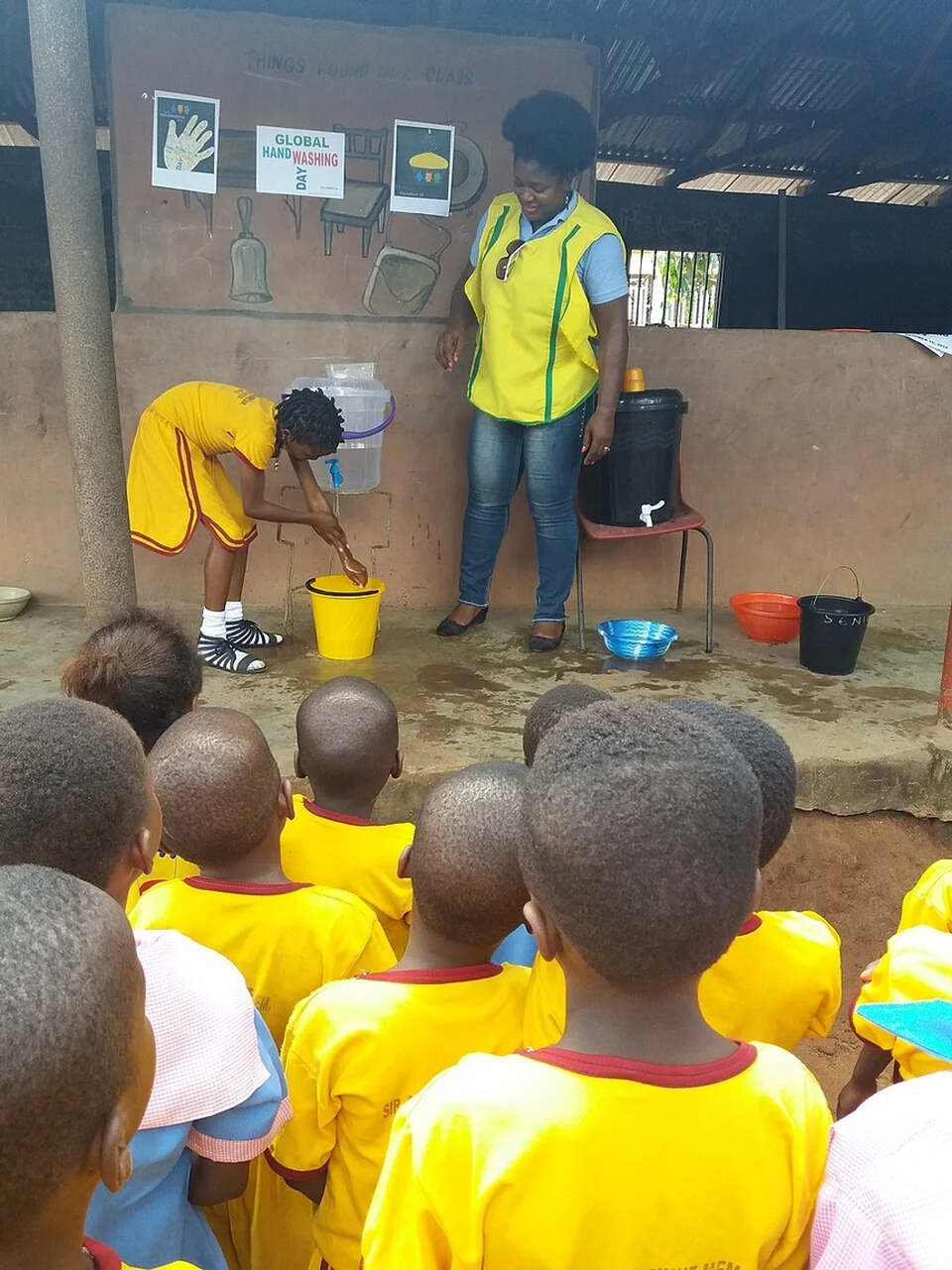
Imagine a pupil returning to class after break. There is a sink outside the toilets, but the tap is dry. Another school has running water and an empty soap dispenser. Both schools could truthfully report that they own handwashing equipment. For the pupil trying to wash their hands that afternoon, neither arrangement provides the full service.
That small distinction has a place in the wider discussion finishing in Stockholm on Thursday. World Water Week, held from 23 to 27 August, has focused on how water serves people and how to measure progress. One place where a family or school committee can see the difference between an investment and an everyday service is the space around a school tap.
What the international measure counts
WHO and UNICEF use a basic hygiene measure that requires a school to have a handwashing facility with both water and soap available. Their 2024 report estimated that in 2023 about 646 million children lacked access to that level of service at school. A lack of soap alone can move a school below the basic threshold, even if its taps and plumbing are in good condition.
The same report considered two other questions separately. An estimated 447 million children lacked a basic drinking-water service at school in 2023. About 427 million lacked basic sanitation, a measure that includes whether improved toilet facilities are usable and single-sex. The categories overlap. Adding the three numbers would count some pupils more than once and would give a misleading impression of how many different children were affected.
A question that can be answered locally
For a parent discussing the facilities with a head teacher, a specific question can be easier to act on than a general request to improve hygiene. When a dispenser empties in the middle of the day, who knows where the refill is kept? If water regularly stops after lunch, the person checking the tap at opening time may have no reason to suspect a problem.
A committee considering a new sink might also ask how the existing ones are supplied and repaired. The answers can reveal fairly different needs. A broken fitting requires a repair. Repeatedly running out of soap may point to the purchase schedule or to where the supply is stored. A pupil who cannot reach the tap encounters another barrier even when the facility meets the basic checklist.
The global measure provides a consistent starting point and the older figures show the scale of the gap. The more immediate evidence sits close to the classroom. What matters to a pupil is whether the water runs and the soap is there at the particular moment both are needed.