- Researchers profiled 180 firms chosen for their potential involvement in research and innovation.
- A second stage examined 90 firms reporting active involvement.
- The study covered 2021–2023. Its percentages describe surveyed firms, rather than every company in the industry.
Inside this story 2 perspectives
A mine can change how it works without producing a new metal or opening another shaft. A new service for detecting equipment faults, or a different procedure for acting on a warning, can be an innovation in its own right. That is why a study of South African mining examined the companies supplying mines as well as the companies operating them. Asking only about new products would have missed part of the story underground.
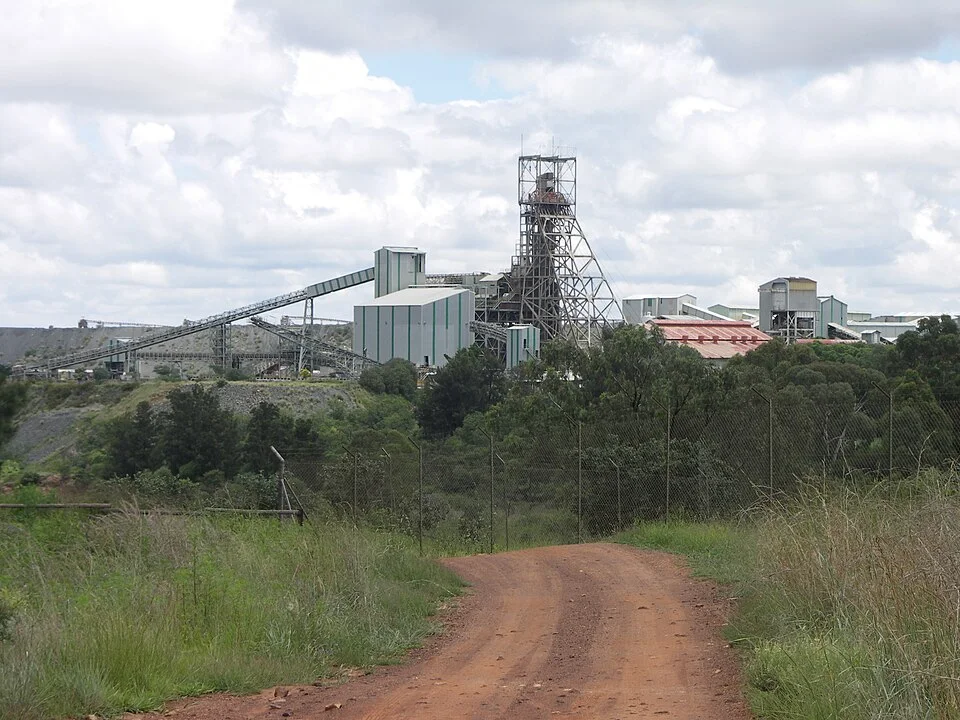
Research discussed at South Africa’s Mining Modernisation Showcase and highlighted by Copenhagen Business School on 5 August traces activity during 2021 to 2023. Around 44% of surveyed firms reported a new or substantially improved product or service, and 46% reported a new or substantially improved process, according to the researchers’ account at the showcase. Those two figures cannot be added. A company could have done both.
Who made it into the sample?
Researchers first profiled 180 mining and mining-services firms selected because they were considered likely to take part in research, development or innovation. A further stage covered 90 firms that reported active engagement. The study drew on industry and previous survey contacts. It therefore gives a window into organisations with quite different capabilities, but it is a selective window.
That qualification changes what the percentages can reasonably be used for. An executive can compare the types of work being attempted, or ask what prevents a supplier from turning a promising design into a working service. It would take different evidence to say that exactly 46 out of every 100 mining businesses in the country had improved a process. The study also describes an earlier period. Buying decisions made this August belong to a different observation window.
The distance from an instrument to a decision
Consider a supplier proposing a sensor to flag a failing component. A working prototype would answer a question about the device. A mine testing it in service would need answers about the rest of the operation. Who receives the warning? Can maintenance staff get the replacement part? What happens if the warning comes on a shift when the specialist who understands it is elsewhere? Those questions turn a product into a process.
They also explain why skills and collaboration appear alongside equipment in the researchers’ account. An experienced operator can identify where an alarm would be most useful. A supplier may understand why a reading goes wrong. The company controlling the maintenance budget decides whether either insight becomes a scheduled repair.
A purchaser weighing competing proposals could ask each bidder to describe one ordinary shift with the new system in place. The answer would expose assumptions about staffing, connectivity and maintenance that a demonstration on a clean workbench can easily hide. For an industry measuring modernisation, evidence that a new practice holds up on that shift is worth more than a list of devices delivered.