- San Francisco Public Library scheduled a 1 November workshop with writer and theatre maker Nandita Dinesh.
- The session is part of the city’s shared reading of Susanna Kwan’s Awake in the Floating City.
- The library says participants do not need writing experience or prior familiarity with the novel.
Inside this story 2 perspectives
Imagine writing about a kitchen you knew well as a child. In one version you tell the reader what happened there. In another you describe the room as if you have returned after a hundred years, when the people have gone and only a mark on the table remains. The second account is invented. It may also help you notice which detail of the real kitchen you are least willing to lose.
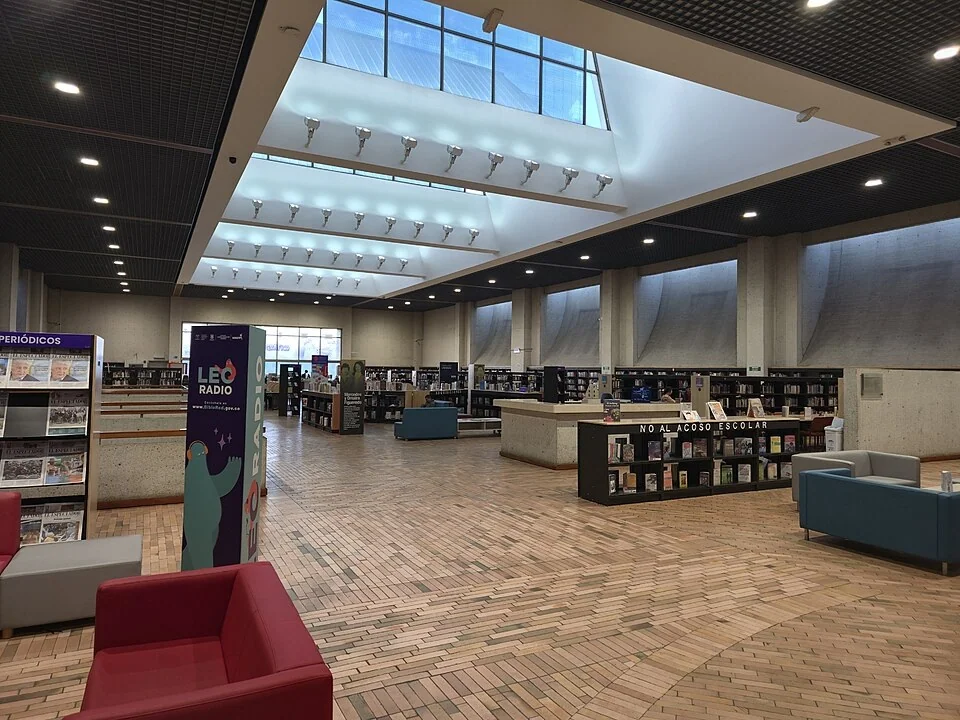
San Francisco Public Library has scheduled a 1 November workshop on writing memoir through a speculative lens. Nandita Dinesh, an author, educator and theatre maker, will lead guided exercises and small-group discussion at the Main Library. The advertised techniques include creating distance and using fictionalisation to approach lived experience. The library says neither previous writing experience nor familiarity with the book that inspired the programme is required.
A city that is familiar and changed
The workshop is part of San Francisco’s One City One Book programme. The selection for 2026 is Susanna Kwan’s Awake in the Floating City. Set in a future San Francisco transformed by rising water, the novel centres on an artist and an older woman for whom she cares. Readers encounter an altered city in which recognisable places give memory a foothold.
Changing the setting of a personal account can have a similar effect on a smaller scale. A writer who knows exactly how a particular conversation ought to be told may have repeated that account for years. Moving it into an imagined future, or allowing the room to tell the story, interrupts that familiar sequence. Sometimes what emerges is a question about the original memory rather than a better version of the scene.
Try the distance, then mark the boundary
Here is a separate exercise to try at home. Choose a place you can remember without effort. Write for a few minutes about one real detail there, such as the route from the front door to a kitchen chair. On another page, imagine that a stranger arrives years later and follows the same route. Give the stranger one mistaken idea about how the place was used.
Then put the two pages side by side. Mark the details you remember, the ones you could check with someone and the ones you introduced because the invented version needed them. A detail that feels vivid might belong to any of those categories. Naming the difference gives you options about how to use it and helps readers understand what kind of account they are being asked to trust.
Dinesh’s session is aimed at adults and teenagers. For anyone returning to writing after a long break, the invitation is modest. You do not need a finished life story. One particular place, and some curiosity about why you remember it the way you do, will give you a page to start with.