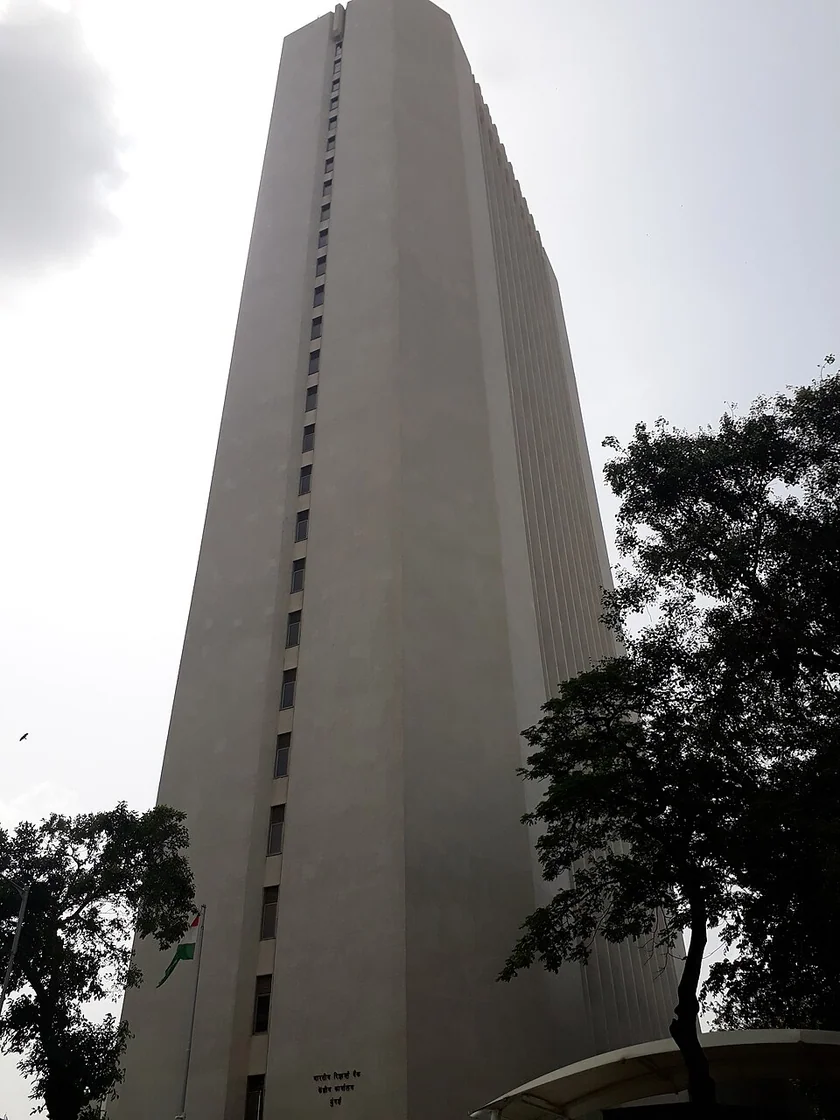
- The November round asks households in 19 cities about expected price changes.
- The questionnaires distinguish three-month and one-year expectations.
- The announcement describes the survey and gives no November results.
Inside this story 2 perspectives
Two neighbours can give different answers when asked how fast prices will rise and both can be paying close attention. One rents, takes the bus to work and buys most meals for a single person. The other has a long commute and a family to feed. India’s central bank wants to hear what happens when those households look down their own shopping lists and then try to imagine the next three months.
The Reserve Bank of India launched the November round of its household inflation expectations survey on 3 November. Its interviewers are collecting views in 19 cities, including Guwahati, Jaipur, Thiruvananthapuram, Mumbai and Ranchi. The survey asks about general prices and groups of products. Households describe the direction they expect and estimate inflation now, three months ahead and a year ahead.
The prices somebody remembers
A family may remember the increase in the cost of an item it buys every week almost to the rupee. A price that changes only when a yearly contract renews is easier to overlook. Asking the family about its experience connects a national policy discussion with decisions people actually make. It also introduces an important limit. The interview records what somebody perceives and expects. It is a different exercise from a statistician collecting prices for a specified basket at regular intervals.
That difference can become particularly interesting when two pieces of information appear to disagree. Imagine a city where some grocery prices have recently eased but a household knows that its rent agreement will come up for renewal in six months. The official price series can capture the first development before the family has paid its new rent. The family’s view of the coming year can already reflect the second. Each answer carries information about a different point in time.
What the answer can and cannot predict
An expectation can affect a choice before the expected change happens. A customer who believes a large purchase will cost more by the holidays might buy earlier if the household has the money. Another family might postpone it to build a cash reserve. The survey does not tell the central bank which action either family took. It gives policymakers one way to assess the expectations behind such decisions.
The November announcement marks the start of interviews. The bank has yet to report what this round’s households said. When it does, an illuminating comparison will be the distance between the near-term answers and the one-year answers. Someone who expects a difficult few months and a calmer year is describing a different future from somebody who thinks the current pressure will last. That is a distinction a single trip to the shop cannot settle.