- The 14th festival ran from 16 to 18 October near Pisa Centrale.
- Baked goods, pizza and cecina were a particular focus this year.
- The market brought producers and visitors together alongside demonstrations and workshops.
Inside this story 1 perspectives
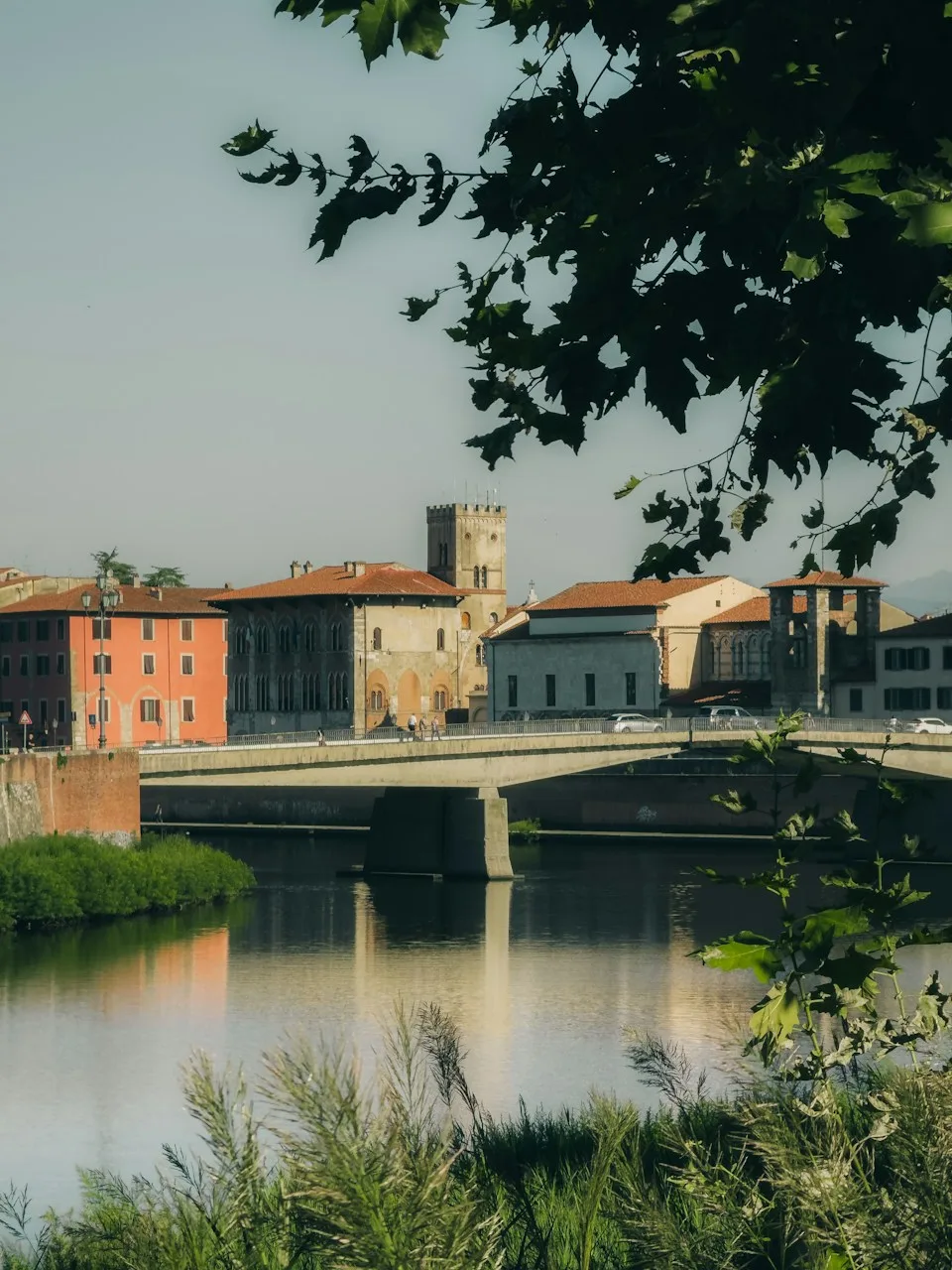
Pisa’s railway station usually marks the beginning or end of a visit. For the closing day of the Terre di Pisa Food and Wine Festival on 18 October, the square a short walk from Pisa Centrale was a destination in its own right. The market in Piazza Vittorio Emanuele II put the products of the wider area within reach of a visitor on foot. At a single address it was possible to compare what a farm, a bakery and a small food business wanted people to know about their work.
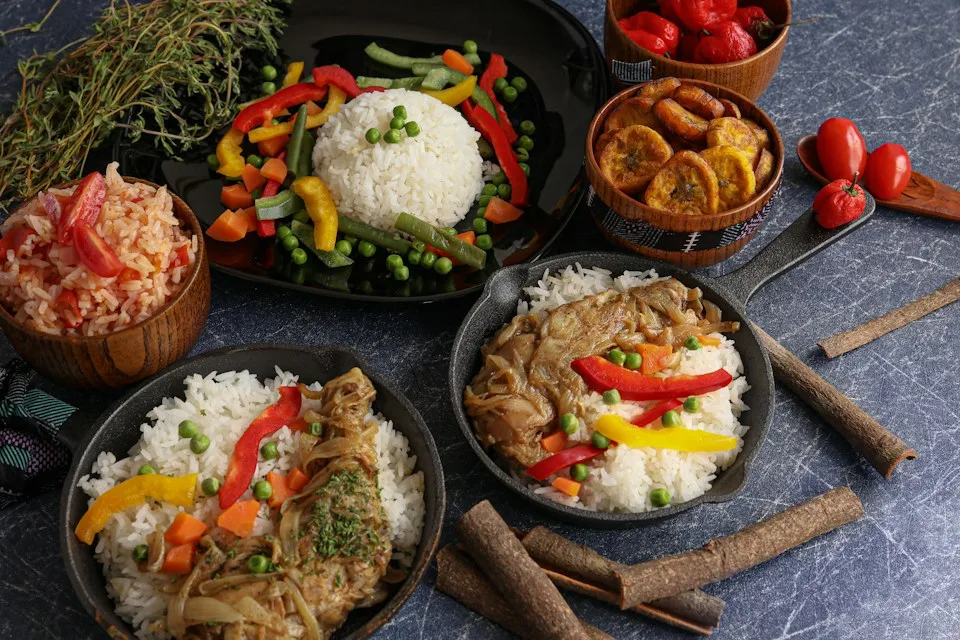
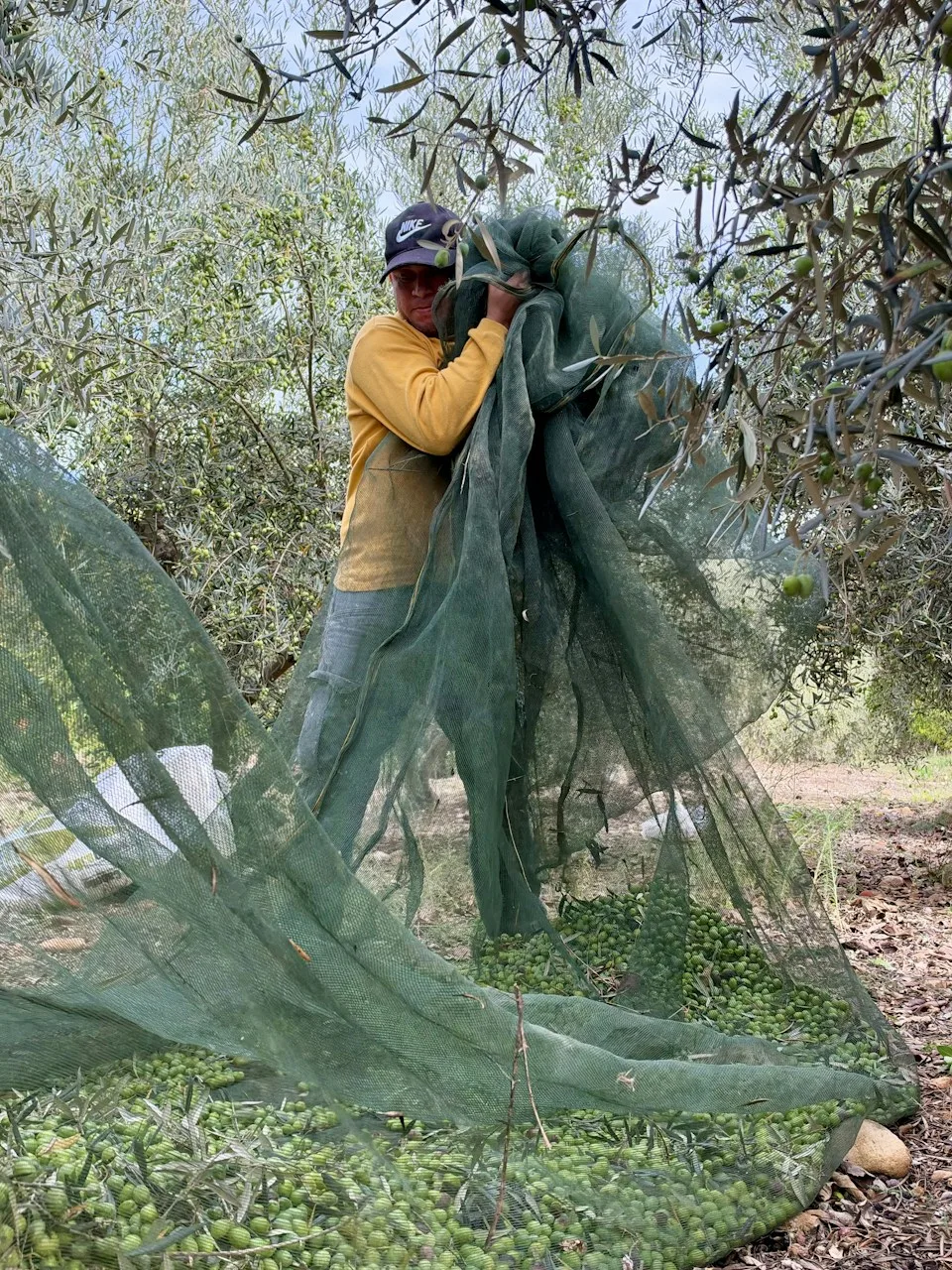
This was the fourteenth edition of the festival, held over three days beginning on 16 October. The programme included wine and olive oil, along with cheeses, cured meats, truffles, pasta, preserves and honey. Visit Tuscany identified yeast-leavened baking, pizza and cecina as particular subjects this year. Placing those foods beside one another provided a way to compare techniques as well as flavours. A food associated with a place often becomes more memorable when someone can explain what happens before it reaches the counter.
The difference a demonstration makes
The regional tourism organisation listed sessions on pizza-making and dough preparation with Antonio Campanella, alongside a wider series of cooking demonstrations, workshops and guided tastings. A visitor watching a baker work has access to information that a finished slice rarely supplies. There is the way the dough is handled, the point at which a maker judges it ready and the difference between something meant to be eaten immediately and something that travels well. The person at an adjacent producer’s stand can answer another set of questions, about origins, seasons and use at home.
That division between demonstration and market is part of the appeal of an urban food fair. A traveller does not need to commit to a full meal to investigate a local product. Nor does someone buying food for a household have to approach the day as a formal lesson. The chamber of commerce advertised free entry to the exhibition stands. The organisers also made room for activities for children, giving families a different pace from that of a guided wine tasting.
Terre di Pisa describes local production and reducing food waste as part of the festival’s purpose. A practical way to explore the latter at a stall is to ask how much of a food to buy, how the producer keeps it and what happens to the last portion. Such questions can be more revealing than asking a maker to identify a single market favourite.
Sunday’s public hours ran until nine in the evening. After the festival, the square resumes its role in the everyday movement of people around the city. The geography behind the market remains. Someone leaving Pisa with one producer’s name or one unfamiliar food has acquired a reason to look beyond the station on a future journey.