- The Kaza Kamba Pan African Theatre Festival runs from 20 to 23 August.
- iPhupho L’ka Biko’s Marikana Still…fontein revisits the Marikana massacre through several art forms.
- Phillip Dikotla wrote and performs Skierlik, about a man returning to the site of a family loss.
Inside this story 2 perspectives
There are several ways to bring the past into a theatre. One is to bring a single person back to the place where his family was destroyed. Another is to assemble musicians, poets and performers who can give a public event several voices at once. The Kaza Kamba Pan African Theatre Festival in Johannesburg puts both approaches within the same four-day programme.
Running from 20 to 23 August at the Market Theatre, this third edition gives the headline slot to iPhupho L’ka Biko. The group’s new multidisciplinary work, Marikana Still…fontein, revisits the Marikana massacre of August 2012. The organisers pair it with other productions, workshops, film screenings and a colloquium under the theme Memory Against Forgetting, a reference to the writing of Milan Kundera.
Music can carry different voices
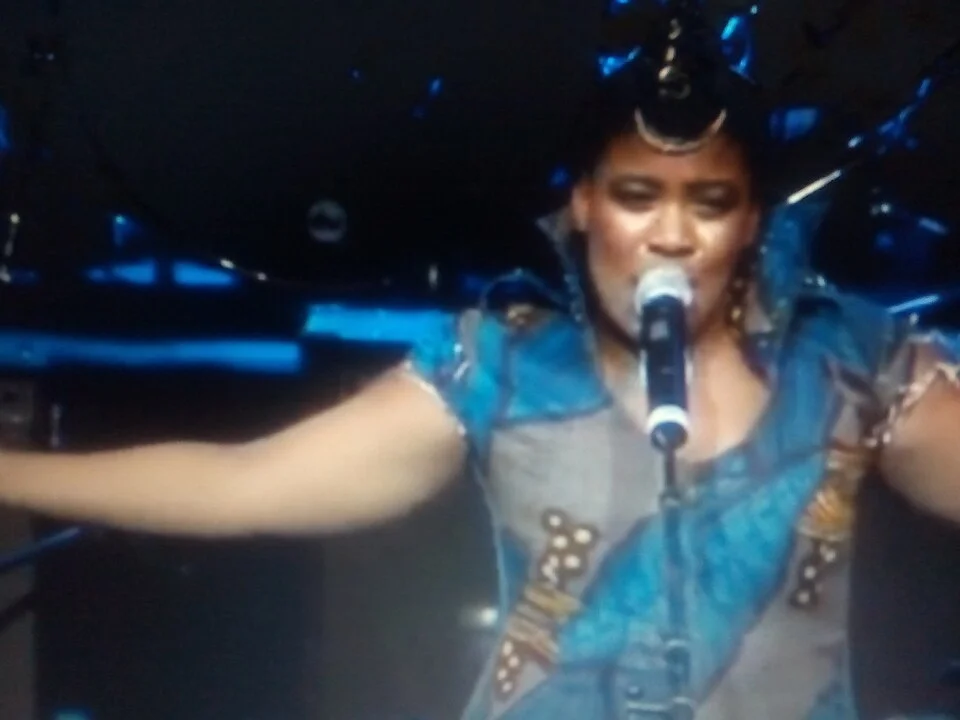
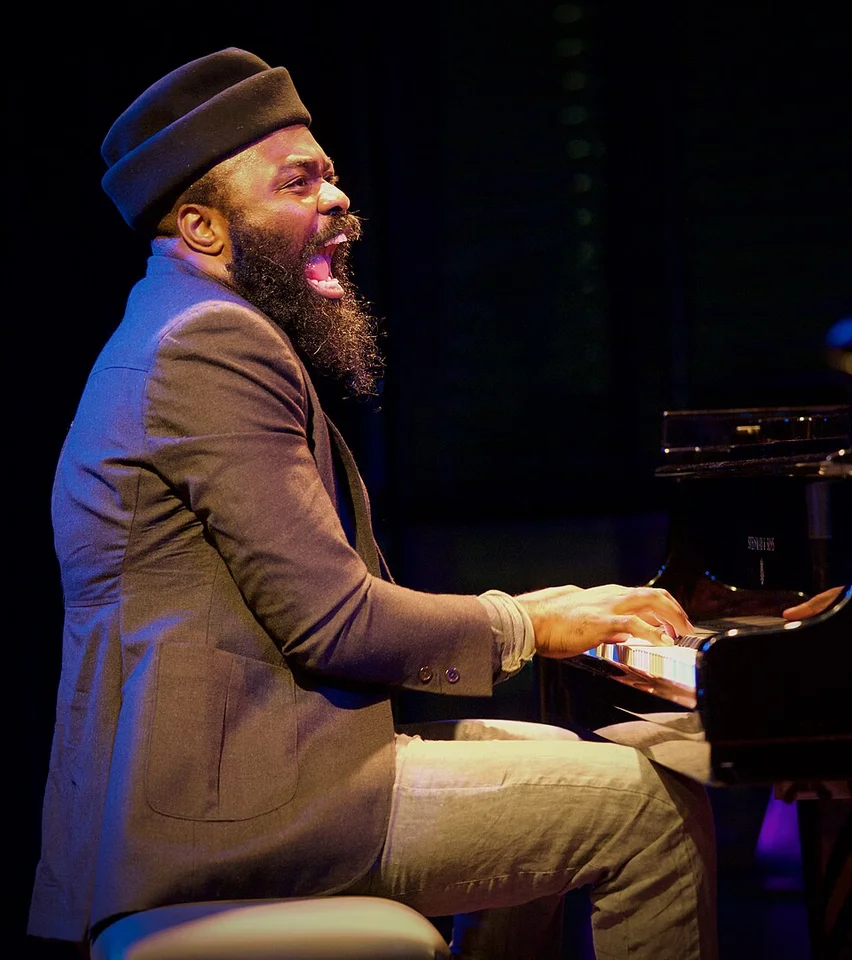
iPhupho L’ka Biko works with indigenous musical influences, jazz and gospel. For Marikana the programme also draws together poetry, movement and theatre. A spectator arriving for a concert is being asked to attend to far more than a melody. A passage of music can hold several voices or rhythms at once. A stretch of movement can change how a spoken passage is heard without adding another explanation.
There is a difficult editorial choice in any work about a publicly remembered loss. Name only the date and people unfamiliar with the history can be left outside. Explain every detail and those who have lived with the memory can find little room for their own experiences. The festival’s decision to include conversation alongside performance gives those different audiences more than one opportunity to engage with the work.
One person comes back
Phillip Dikotla’s Skierlik takes a different route. Dikotla wrote and performs the play, which follows Thomas back to the place where his wife and young daughter were killed in a racially motivated shooting. The work draws on the attack in the Skierlik settlement on 14 January 2008. With one performer carrying the story, the audience encounters a public history through the scale of one family’s loss.
The contrast is a reason to see more than one production. In an ensemble, a change of perspective can arrive as a new sound or a body entering the space. In a solo performance, the audience may have to hear a change in a pause, a line or the way a single person occupies the stage.
Kaza Kamba is a collaboration between the Market Theatre and mehlo-maya. Local listings also include free workshops, masterclasses and documentary screenings. That wider programme allows somebody who comes with a question about how the work was made to stay for a discussion, and someone who arrives for a discussion to encounter the demands of an actual performance.