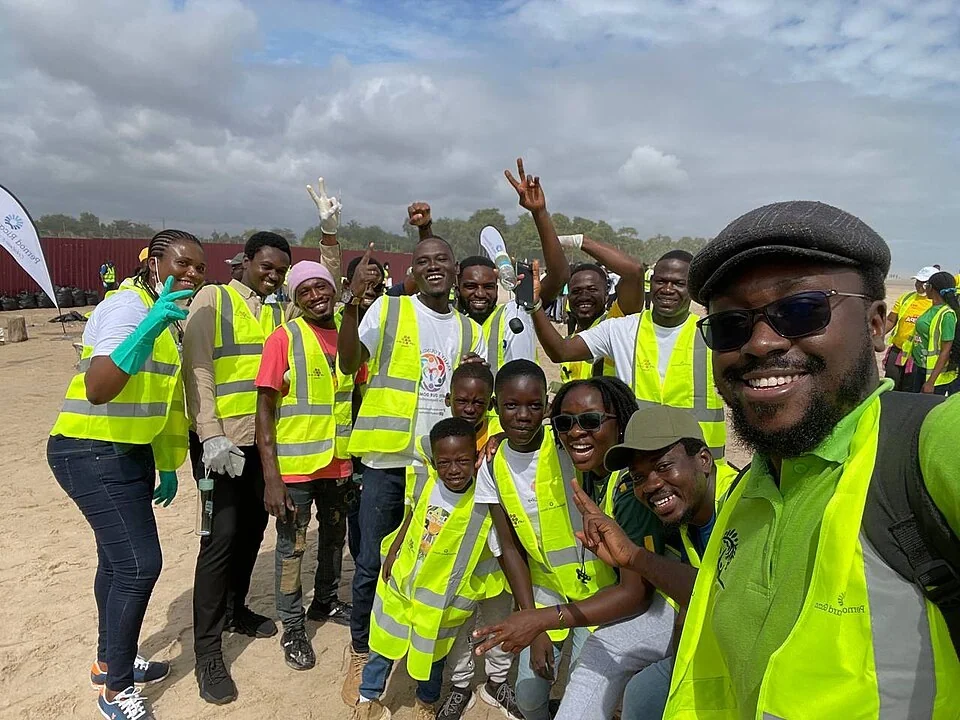
- The EU Delegation to Ghana scheduled the event with The Or Foundation and Planet Waves.
- Kantamanto’s Kanta Keepers collect textile waste at the market through a municipal partnership.
- The Tide Turners programme organises regular shoreline clean-ups.
Inside this story 2 perspectives
A shirt can pass through a donation bag, an export bale and a secondhand market before anyone has to decide what to do with it when it cannot be sold. At James Town beach in Accra, the question belongs to people whose workplace is the coast. The EU Delegation to Ghana scheduled a clean-up there on 19 September with The Or Foundation and Planet Waves. The four-hour programme links the state of the shore to a clothing trade that begins far from it.
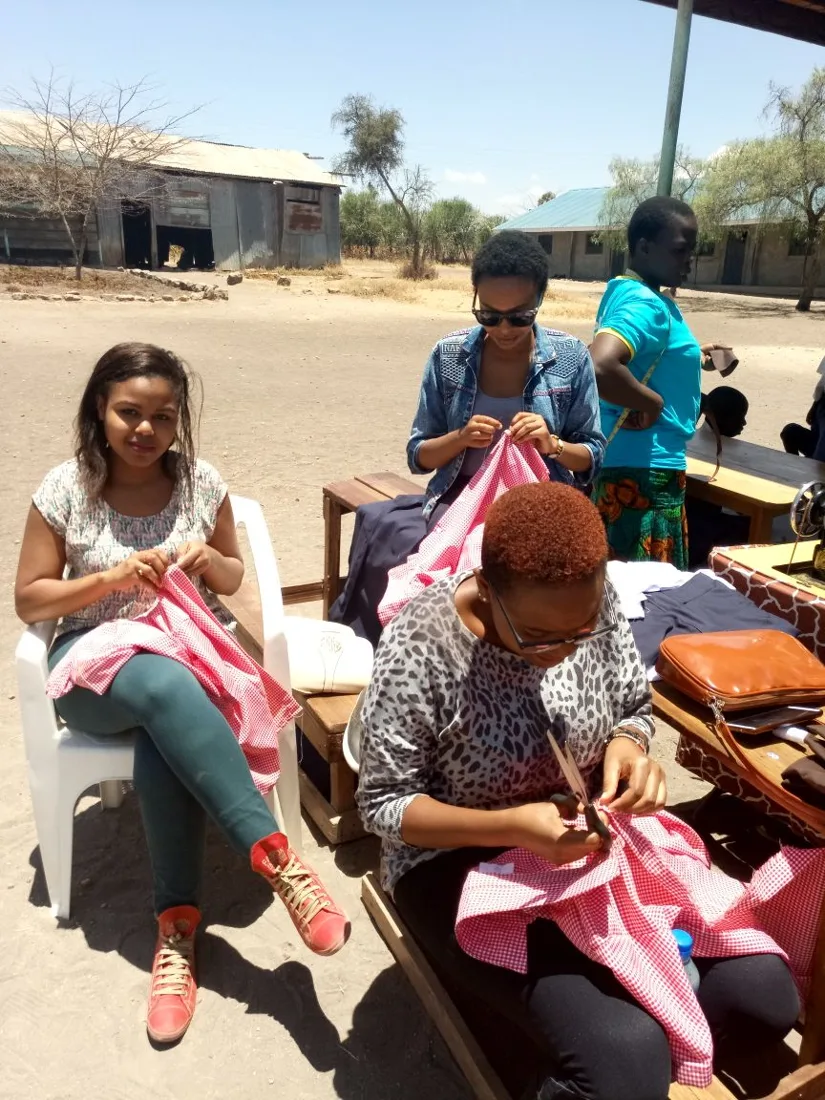
The delegation points to unsold and unwanted garments arriving from Europe and North America as one source of pressure on Ghana's coast. That account leaves an important place for the people working in the secondhand trade. Many imported pieces find a buyer or can be repaired and altered. Traders and makers can earn a livelihood by keeping those clothes useful. Their success in doing so does not make them responsible for the original volume or quality of everything packed into a bale.
Two jobs, in different parts of the city
The Or Foundation describes a paid team working with leadership groups at Kantamanto Market to separate and collect textile waste. The team, called the Kanta Keepers, loads a municipal truck operated in partnership with the Accra Metropolitan Assembly. Its destination is an approved disposal site away from the coast. Separating material while it can still be collected from a market is a different job from recovering it after water and sand have worked their way through it.
On the shore, the foundation's Tide Turners programme brings paid workers and volunteers into regular collections. In a 2024 account of joining a James Town clean-up, a Guardian writer described what happens when items from distant wardrobes are encountered as part of a coastal landscape. An item that is light enough for one person to fold and put away can become difficult to separate from other debris once it has spent time on a beach. The effort needed to pick it up is an additional cost in the life of the garment.
Following the item further back
The European delegation presents the event as a chance to discuss better waste management in Ghana and demand for fast fashion elsewhere. Those responsibilities reach different people. A buyer can consider the useful life of the next garment. A collection scheme can ask what happens to pieces that cannot be sold. A municipality and its partners need the means to move the remaining material to an appropriate destination.
The visible result of a single clean-up would be what volunteers remove during an afternoon. It would tell us much less about the volume that never reaches the sand because someone has already repaired, sold, sorted or collected it. James Town puts a name and a place to the last task in that chain, and to the people who do it repeatedly.