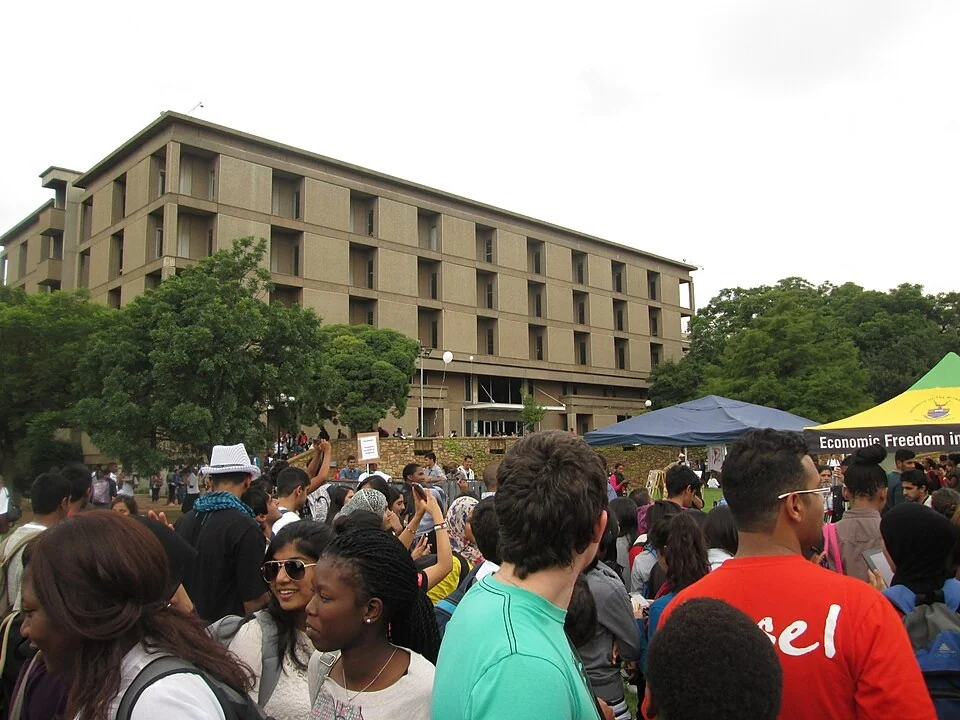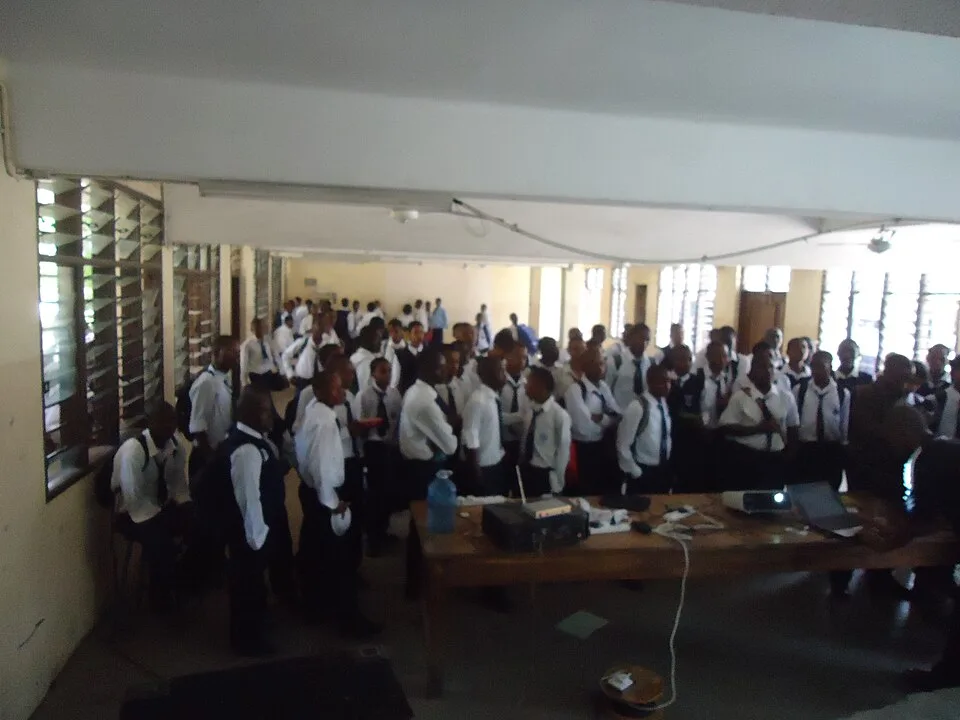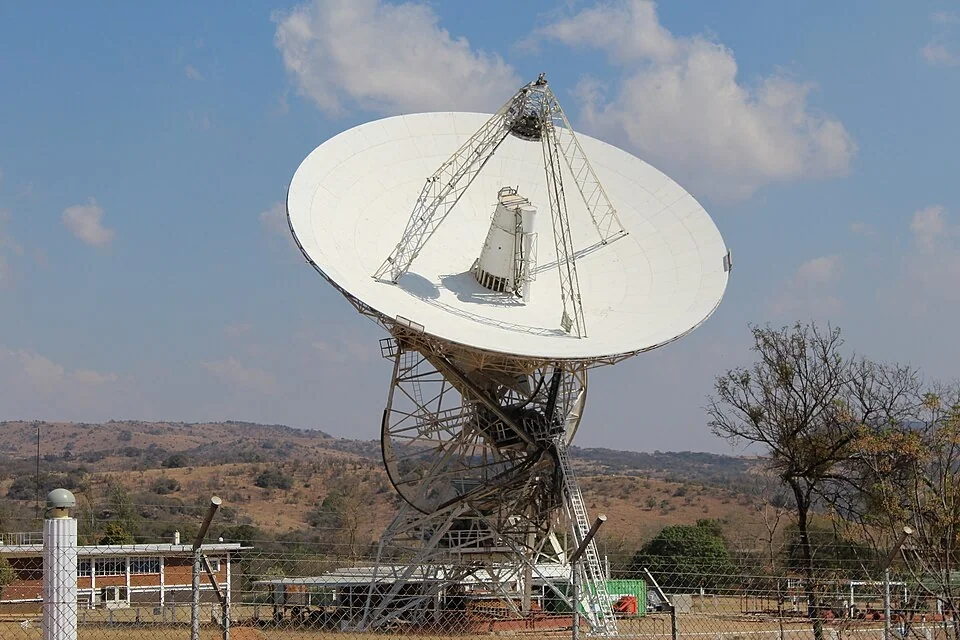
- The DARA training programme at Hartebeesthoek runs from 13 to 27 September.
- The 16 September timetable includes radio-frequency receivers and an introduction to radio astronomy.
- The wider programme is designed for suitably qualified graduates in participating African countries, including people new to astrophysics.
Inside this story 2 perspectives
At Hartebeesthoek on Wednesday morning, an introduction to radio-frequency receivers appears on the timetable before an introduction to radio astronomy. That order makes a point a careers brochure could take several pages to explain. To understand how an astronomer learns something about the sky, it helps to know what the instrument has actually measured.
The September course at the South African Radio Astronomy Observatory runs from the 13th to the 27th. It is part of Development in Africa with Radio Astronomy, known as DARA. The wider programme trains people across a group of African countries in subjects that connect physics, engineering and the analysis of data. Prior experience in astrophysics is not a general entry requirement, although applicants usually have a degree in physics or a related discipline and country-specific requirements apply.
From a lecture room to an instrument
A telescope receiver and a familiar radio have something basic in common. Both must distinguish a useful incoming signal from other things the equipment picks up or produces. For a radio astronomer, the data eventually shown in a plot have already passed through an instrument with a particular response. A person bringing experience in electronics can therefore contribute knowledge long before they have memorised an astronomical catalogue.
The published Wednesday schedule lists Tinus Stander for the receiver session and James Chibueze of the University of South Africa for the introduction to radio astronomy. The two sessions suggest different ways to approach the same observation. A physicist might ask what kind of object can produce a feature in the data. An engineer might first ask what a receiver does to a signal of that strength. Both questions belong before somebody interprets the feature as a discovery.
What the first qualification opens
DARA describes the basic programme as a route towards possible further training at master's or doctoral level. It also identifies uses in related technical industries. Neither outcome is automatic. Completing an introductory programme provides experience and a basis to apply elsewhere. It cannot guarantee a research place or tell a graduate in advance which part of the work will suit them.
There is another advantage to putting subjects next to one another in the timetable. A graduate who has assumed an astronomy career means writing a paper about a particular galaxy can see people making different contributions to the same science. Someone with a stronger interest in the instrument can ask about receiver design or data quality. Someone drawn to the astronomical question can find out why an observation needs calibration. The course gives both a concrete piece of work around which to have that conversation.