- The Gwangju Kimchi Festival’s three-day programme runs from 23 to 25 October.
- Ten local restaurants were listed for the event called A Thousand People’s Table.
- Kimjang describes making and sharing kimchi, a collective practice recognised by UNESCO in 2013.
Inside this story 2 perspectives
The easiest way into Gwangju’s three-day kimchi festival might be through the stomach, but the programme offers more than one place to start. Ten local restaurants were listed for an event called A Thousand People’s Table. A master class put the work of making kimchi before an audience. On Saturday, 24 October, the main outdoor stage was scheduled to mix music and traditional arts with the food programme at the government complex plaza in the city’s Seo-gu district.
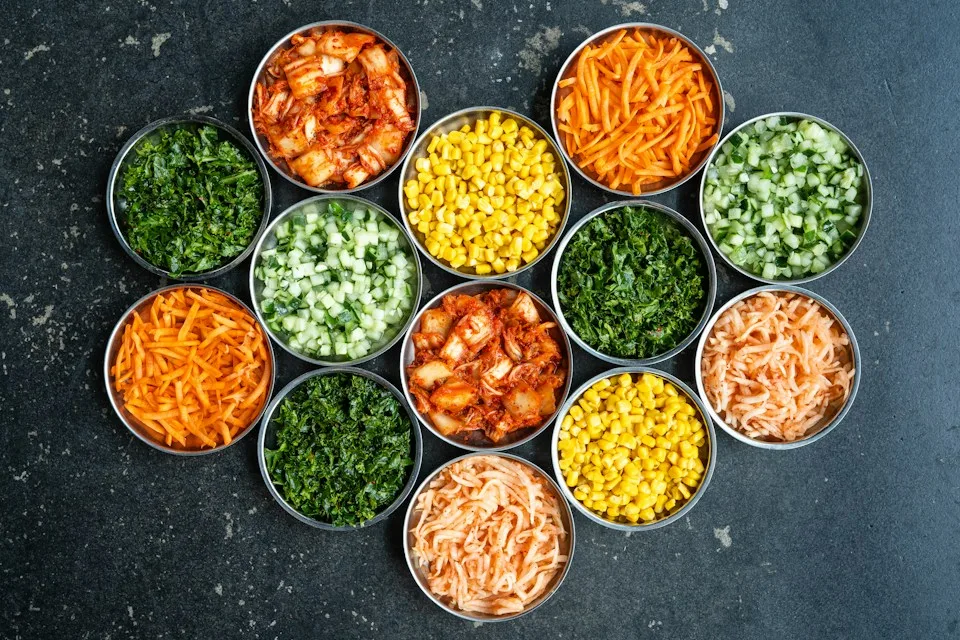
The restaurants offer a way to compare what different kitchens do with a familiar food. Kimchi can arrive beside another dish or become part of the dish itself. Seeing how it is served answers a different question from watching somebody make it. The restaurant portion of a festival can show visitors the choices made after the seasoning, preparation and fermentation have already taken place.
A name for the work people do together
Kimjang refers to making and sharing kimchi collectively, especially in late autumn when households prepare supplies for the winter. UNESCO inscribed the practice in the Republic of Korea on its Intangible Cultural Heritage list in 2013. The wording of that recognition matters. It takes in the sharing of work and food, the transmission of knowledge and the connections formed between people. A jar bought at a stall cannot by itself show all of those things.
A festival class gives a visitor a glimpse of what a brief tasting cannot convey. Someone has to judge the ingredients, coordinate the work and decide how to teach a particular method. A newcomer watching a more experienced maker may notice a hand movement or a point at which the instructor pauses. Those small observations are part of how knowledge moves between people, even if the experience in a public square differs from a household preparing for winter.
Leaving room for more than one version
In its preview, Aju Press described a market, family activities and a class led by a previous winner of the festival’s presidential award. That range lets a visitor decide what to take away. A restaurant dish can prompt a question about how the kimchi was used. A conversation with a producer can reveal why one version tastes different from another. An expert demonstration can make clear how much practice lies behind apparently simple movements.
The Saturday stage gives these encounters a festive setting. The more lasting memory may be a comparison between two tastes or a piece of advice that makes sense only after watching someone work. Gwangju’s programme places the finished food in the square and leaves enough room beside it for the people and practices that make it possible.