When a ranger finds a dead elephant, the first question is how it died. The answer can be hard to read in a forest. The animal may have been dead for some time. Its age, the condition of the remains and whether its tusks are present all go on the record. Sometimes the cause remains unknown.
Two parks in Ghana and two in Nigeria are joining a programme that puts those observations to work across national borders. On 15 September, CITES, the international wildlife trade convention, announced five additions to its African elephant monitoring network. Ghana’s Digya and Bia, Nigeria’s Cross River and Okomu, and Ethiopia’s Gambella bring the total to 74 sites.
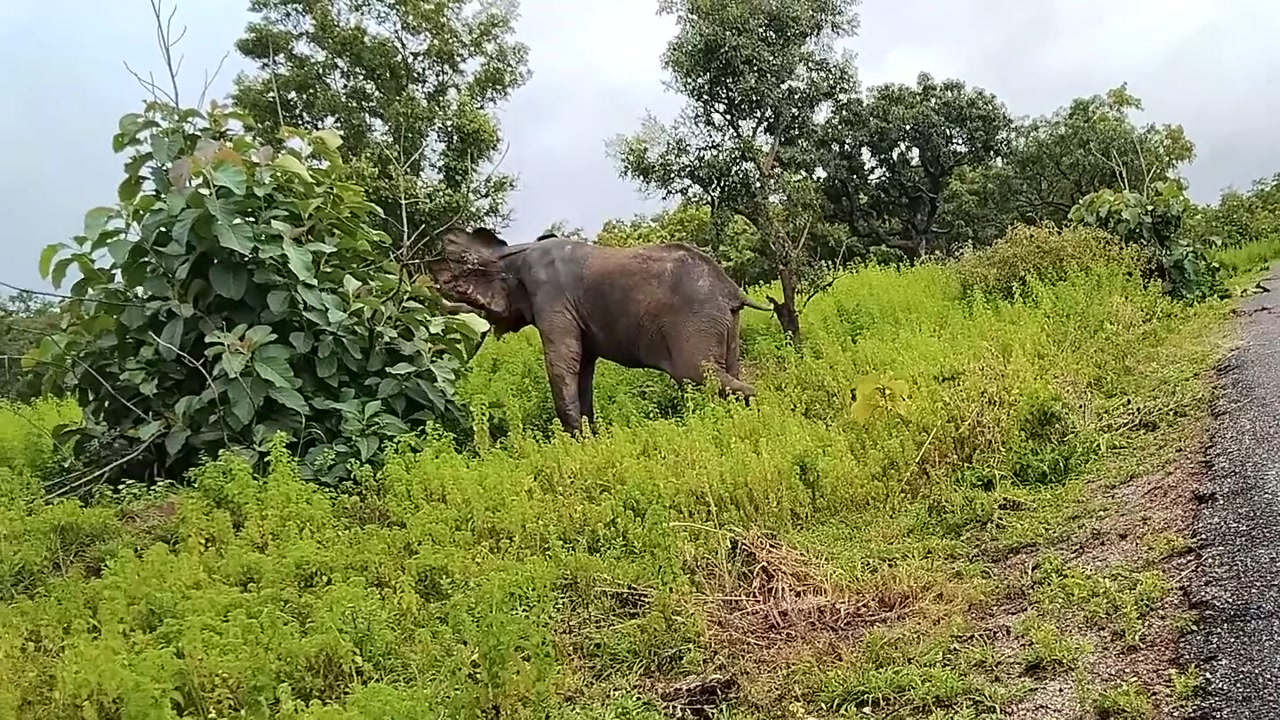
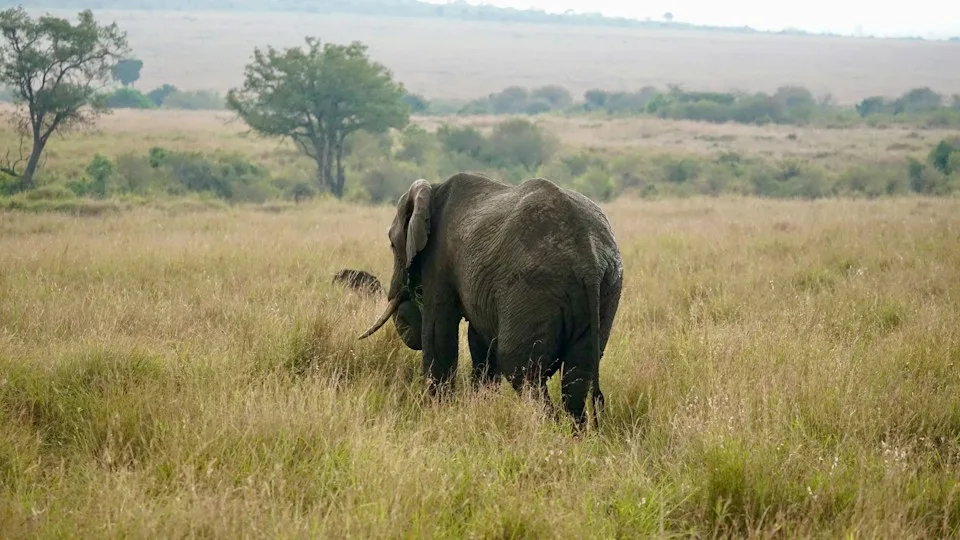
The settings in West Africa could hardly be more varied. Digya sits beside Lake Volta, where forest gives way to savannah. Bia sits within a UNESCO biosphere reserve on the frontier with Côte d’Ivoire. Cross River shares a rainforest landscape with Cameroon. West Africa holds less than 3% of the continent’s elephants, according to figures CITES cited, and many live in small herds separated from one another.
Rangers already contribute records from Mole National Park in northern Ghana. Across the network, one measure tracks what share of the dead elephants found in a year were illegally killed. It takes careful reading. A patrol that covers more ground can find more carcasses. Dense vegetation makes them harder to spot. A change in the number found tells a park manager little on its own.
CITES said the next step would be to train rangers at the new sites to record deaths in the same way. The value of that work builds over time. Several years of comparable records can help a park manager decide where a rise in suspected poaching merits a closer look, even when the herds themselves are seldom seen.
Watch the film · How rangers count elephant deaths