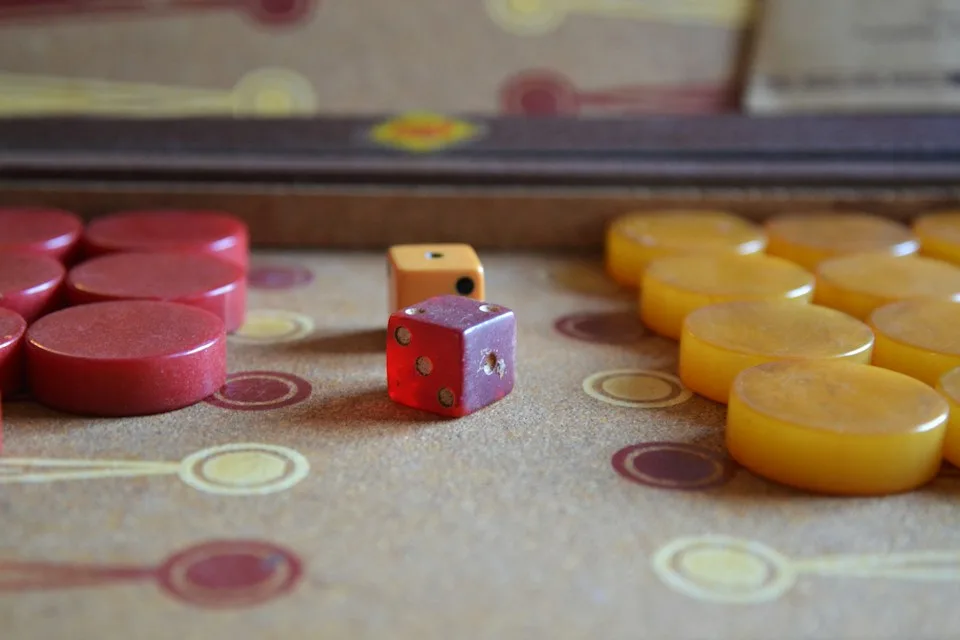
- Asmodee reported growth in both board games and trading cards for the quarter ended September.
- Real attendance supports interest in physical play, while the available evidence should not be generalised to every African market.
- Build an evening around easy participation, clear rules and a comfortable budget.
Inside this story 2 perspectives
Game night has a fresh business signal behind it. Asmodee’s results released on 13 November show board-game sales rising 18.4% in the quarter ended September, while trading-card sales rose 51.6%. These are figures for one company, not a census of everybody’s leisure habits. They nevertheless provide a timely reason to reconsider a familiar way of spending an evening together.
In a Reuters interview published the same day, chief executive Thomas Koegler linked demand to people’s desire for in-person connection. That is the view of a company selling games, and deserves to be read as such. The more useful lifestyle question is what makes an invitation to play worth accepting when everybody already has a crowded calendar.
Participation offers another piece of evidence. In a report published this week, organisers of the Netherlands’ Spellenspektakel and CardCon recorded 33,000 visitors on 7–8 November. They described more than 600 games available to play and a sold-out Saturday. A busy Dutch fair cannot establish how people socialise in Nairobi, Johannesburg or Lagos. It does show that meeting around a shared activity can draw a substantial physical audience.
A reason to gather
Our reading is that the appeal of game night lies in its modest structure. There is a reason to arrive, something to do together and a natural subject for conversation. Nobody has to sustain an entire evening through small talk. Keeping the plan simple gives friendship room to breathe, without adding another elaborate commitment to a busy week.
For globally minded African households and friendship groups, the idea should fit the people at the table. An imported title is one option, not a prerequisite. A game already familiar to the group, a borrowed box or an ordinary pack of cards can provide the starting point. Language, price, age and experience should shape the choice more than a fashionable label.
A thoughtful host can keep the first evening simple: explain the rules before play begins, choose a manageable duration and leave space for somebody to watch before joining. Agree on how competitive the evening should be. A gathering meant to welcome a new colleague or neighbour needs a different atmosphere from a tournament between experienced players.
Participation before purchases
There is also a useful distinction between playing and collecting. Asmodee’s faster growth in trading cards should not become a reason for readers to spend more. The social value of an evening depends on participation, not on owning a scarce item or constantly replacing a collection. Setting a small, shared budget can keep the invitation comfortable.
For cafés, community venues and workplace social organisers, the same principle applies: make the activity understandable and the welcome explicit. Clear start times, transparent costs and someone willing to teach are sensible design choices to test locally. This week’s figures support taking tabletop play seriously. The personal opportunity is much smaller and more immediate: putting a date in the diary when people can sit down, pay attention and enjoy one another’s company.