- The allocation reserves 50,000 doses for health and frontline workers and 20,000 for a clinical trial.
- Human protection against the Bundibugyo virus remained unknown at the time of the announcement.
- Gavi separately committed funding to maintain routine immunisation for young children.
Inside this story 2 perspectives
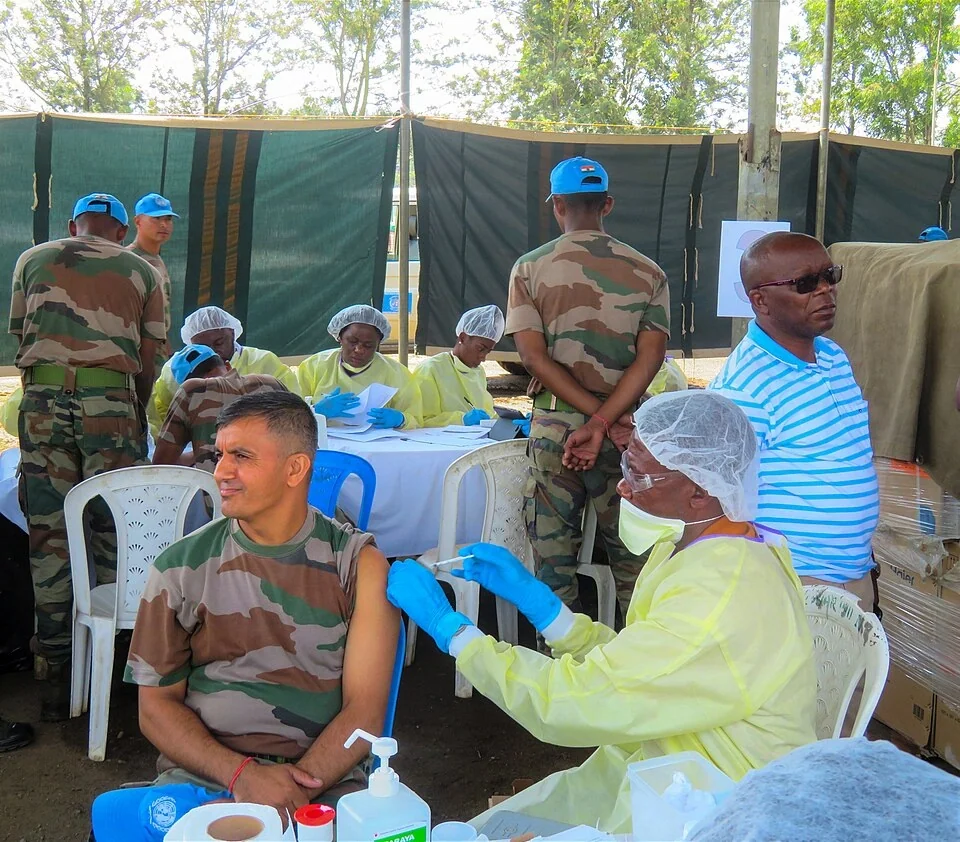
A health worker offered an Ebola vaccine in the Democratic Republic of the Congo has a reasonable question. What does anyone know about protection against the particular virus causing this outbreak? In a joint announcement on Thursday, the World Health Organization and Africa CDC gave a frank answer. The vaccine, Ervebo, is licensed for Ebola virus disease caused by the virus formerly called Zaire ebolavirus. Whether it protects people against Bundibugyo virus remained unknown.
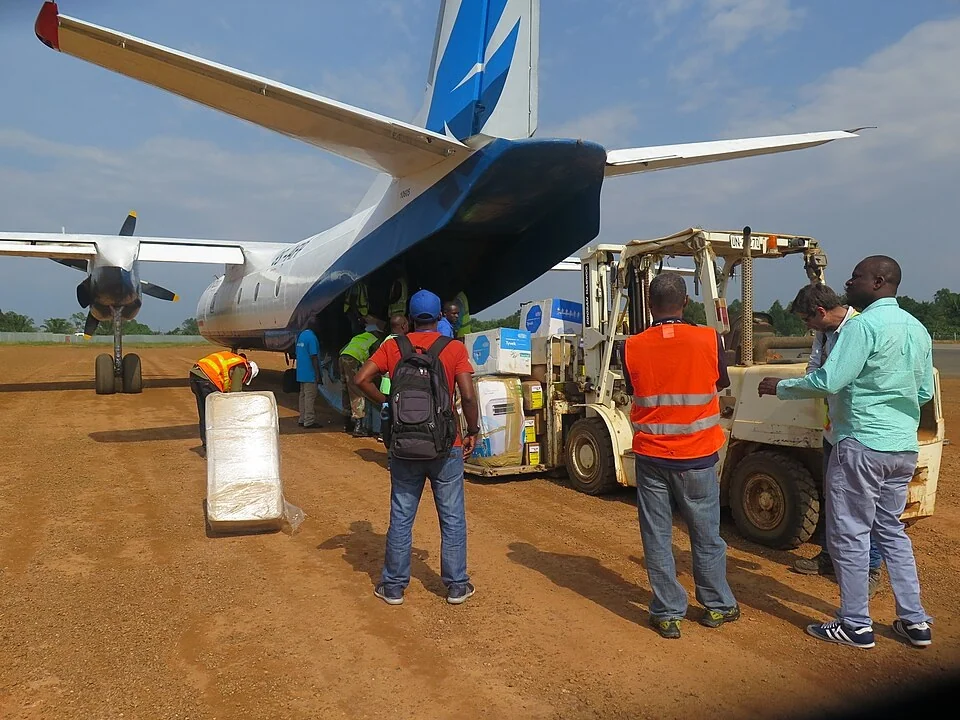
Congo had requested doses from the international emergency stockpile. The group responsible for the stockpile agreed to release an initial 70,000. Its decision provided for 50,000 doses for frontline and health workers under current expert recommendations and 20,000 doses for a clinical trial. An allocation establishes who can receive doses from a reserve. It says little on its own about how many people have actually received an injection.
A place for the recipient’s questions
The two agencies said everyone offered the vaccine should receive information about risks, possible benefits and limitations and should be able to give informed consent. That applied both to a worker offered vaccination and to a person invited to enter the study. The purposes differ. One group faces a workplace decision under uncertainty. The trial is intended to help answer the underlying question about protection in humans.
The distinction also affects the wording of a conversation at work. Saying that a vaccine has a licence can be accurate and still leave out the fact the listener most needs. Naming the disease for which the licence was granted, followed by what is unknown about this outbreak, makes the limitation intelligible. Explaining why there are two groups gives a recipient another way to understand what they have been offered.
The child with an ordinary appointment
The same day's funding announcement from Gavi addressed a separate concern for families. The alliance committed $7 million for the shipment of emergency doses. It also approved $6 million for work including the continuation of routine immunisation and preparations for future vaccination. About $4 million of this second sum is intended to help Congo sustain services for more than 1.17 million children under two in five provinces.
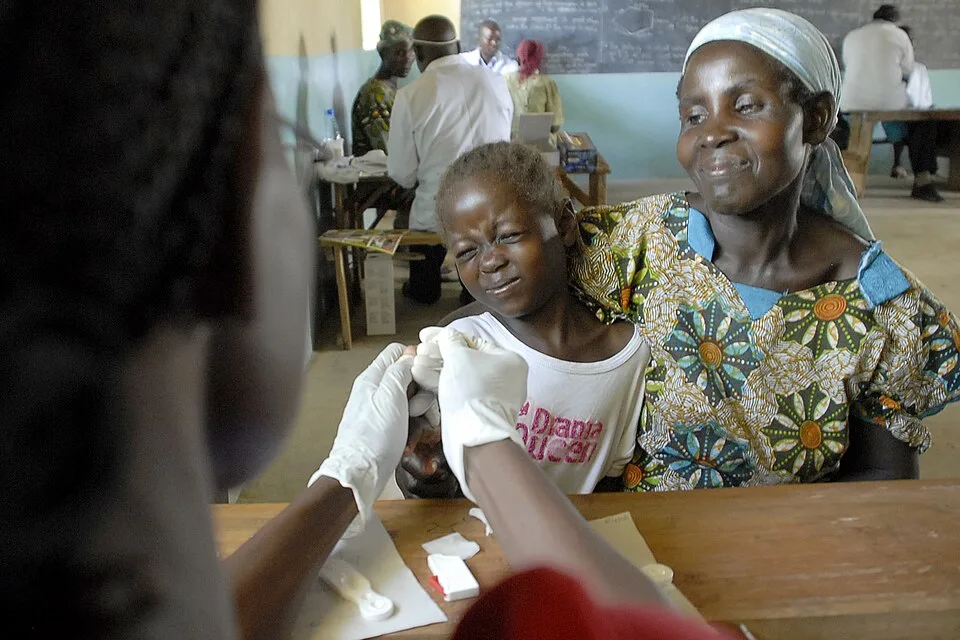
For a parent taking a child to a regular appointment, that second budget has an immediate purpose. A health service coping with an emergency still has children due for their usual vaccinations, as well as families trying to find out whether their clinic can see them. The two announcements make the responsibilities visible side by side. One is to explain an unusual decision honestly to the people facing it. The other is to keep an ordinary appointment possible.