- World Physiotherapy chose cardiovascular disease and stroke for its 8 September campaign.
- Cardiac rehabilitation can include supervised movement, education about risk factors and support with stress.
- A specific day-to-day goal gives the patient and clinical team something concrete to plan around. Eligibility and access depend on the local service.
Inside this story 2 perspectives
Leaving hospital after a heart attack brings a new set of questions. Is the staircase at home manageable? What about the walk from the bus stop, a morning at work or a shopping trip that involves carrying a bag? They sound ordinary because they are. They also give a cardiac rehabilitation team useful information that a general instruction to become more active can easily miss.
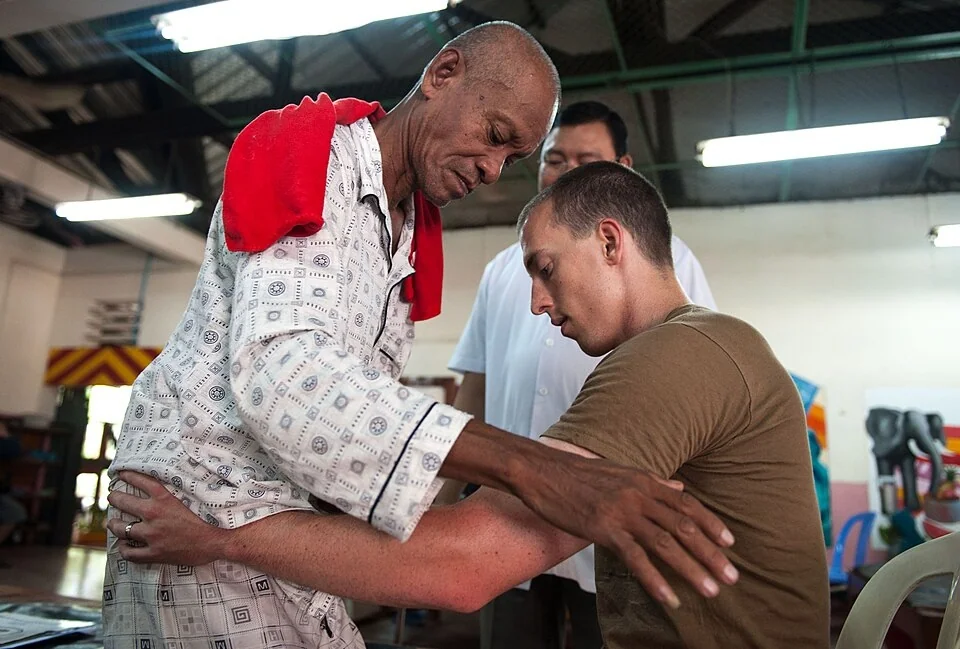
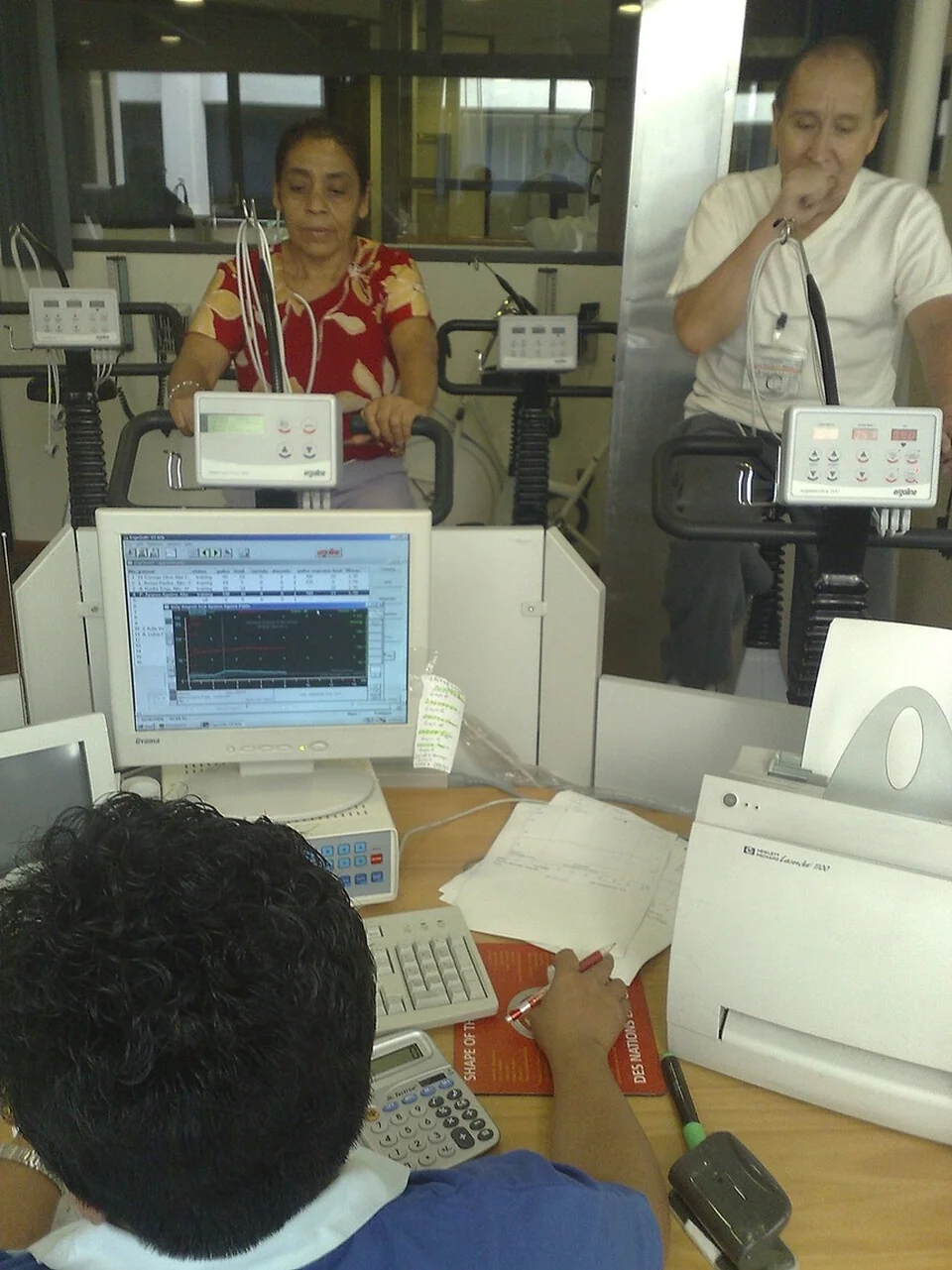
On 8 September, World Physiotherapy marked its annual awareness day with a focus on cardiovascular disease and stroke. Its campaign includes prevention and rehabilitation. For people recovering after a heart attack or certain other heart conditions and procedures, cardiac rehabilitation is one specific form of support. The American Heart Association describes a medically supervised programme with exercise, education about managing risk and counselling or support for stress. A person recovering from a stroke may have different rehabilitation needs and a different team.
Bring a real destination
Telling a clinician that the goal is to climb the stairs to a particular bedroom gives the conversation somewhere to go. The team can consider the individual’s condition, current ability and treatment, and discuss an appropriate plan. A goal involving work may require different information. Someone seated at a desk most of the day and someone moving stock around a shop can have the same job title on a form while facing very different demands.
Rehabilitation can also make room for less visible worries. A person may feel uncertain about normal movement after a frightening event. A relative may be anxious about leaving them alone. Education about the condition and a chance to discuss stress are parts of the programme in their own right. A relative who wants to help can ask what support the recovering person would actually welcome, and which questions would be best raised with the clinical team.
Finding the person to ask
The NHS describes arrangements in which a member of the rehabilitation team may speak to a patient in hospital and make contact after discharge. Access routes differ between health systems. Before leaving, a patient or family member can ask whether a referral has been made, who will make the next contact and what to do if it does not arrive. A named service and a phone number on the discharge paperwork are easier to act on later than a general recollection that someone mentioned exercise.
A supervised programme is tailored to the participant. The distance a neighbour could walk after an apparently similar event is a poor guide to what another person should attempt this week. Bringing a short list of actual activities to the next appointment lets the team work from the conditions at home. The immediate objective might be a flight of stairs and an evening meal together. That is already a meaningful place to begin.