- Cape Town’s Paws-A-While World Animal Day event is scheduled for 4 October at Sea Point Promenade.
- Ask the shelter about an individual cat’s routine and who will share its new home.
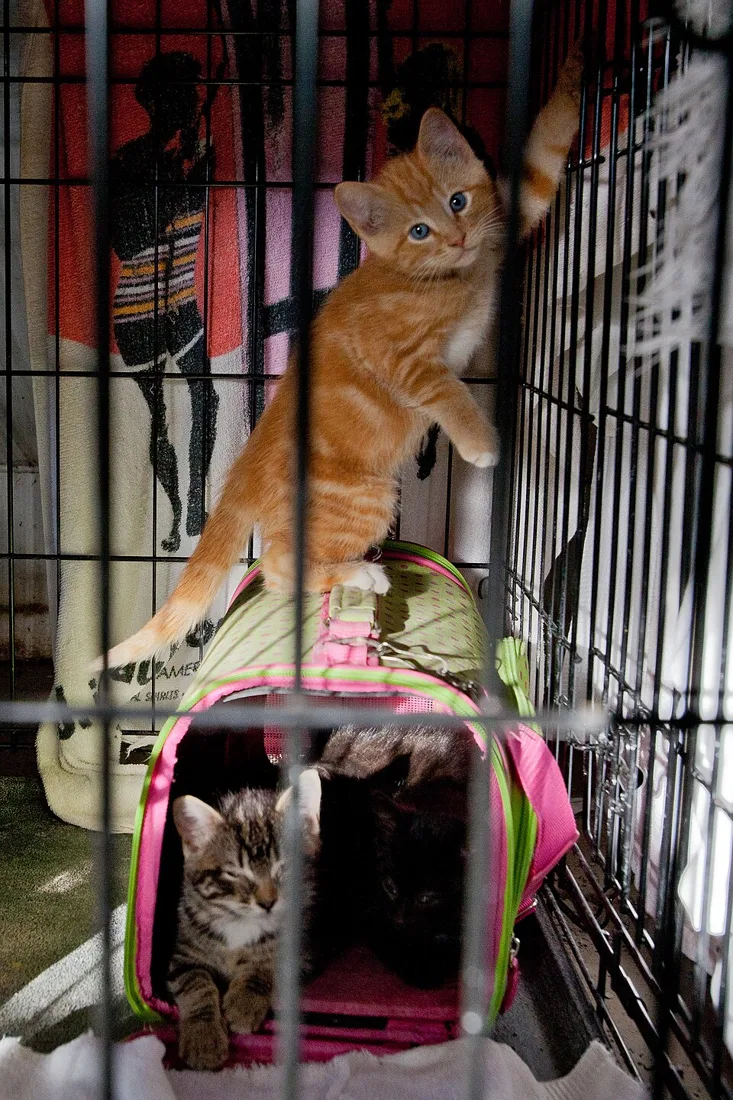
- Set up a quiet room with a hiding place and keep food, water and the litter tray apart.
Inside this story 2 perspectives
Cape Town's Sea Point Promenade is the setting for Paws-A-While's World Animal Day event on Sunday 4 October. For a person thinking about adoption, the most useful work after meeting a rescue organisation may take place somewhere much quieter. Stand in the room where a new cat would spend its first evening. Is there somewhere it could get out of sight without being followed, and could the household leave it there in peace?
FOUR PAWS South Africa is marking the day by asking people to consider animals' experiences of their surroundings. A home that feels welcoming to the people who live in it will be full of unfamiliar sounds and smells for the animal arriving there. A lively reception that every human has been looking forward to can make it hard for a cat to decide when it wants company.
Work out who already lives there
A useful conversation with a shelter starts with an honest description of the household. The Cape of Good Hope SPCA's general adoption form, for example, asks about other animals, children under ten and the applicant's reasons for adopting. The information helps move a discussion beyond which animal looks appealing in a photograph. Ask the rescue group what it knows of the cat's existing routine and how it responds to other people or animals.
Then make one part of the home ready before collecting the cat. Cats Protection recommends a quiet, comfortable space away from the busiest areas. A spare room is one option. In a smaller home a secluded part of a bedroom or living room can work. Provide a place to hide, such as a suitable cardboard box, and separate food, drinking water and the litter tray as far as the space allows.
Give everyone a small job
One person can check the room for places where a frightened animal could get stuck. Someone else can organise the carrier and ask the shelter about familiar bedding or food. A child who wants to be involved can help prepare a hiding box or decide where people will sit quietly. Those are real contributions a family can make before the animal has to deal with several strangers all at once.
Once home, allow time for the cat to become familiar with its first space before inviting it to investigate more of the house. A retreat is useful only if it stays available when the family would like the animal to come out. That is a choice the humans can arrange well in advance. An enjoyable day at the promenade may begin a conversation about adoption. A room set up for an unfamiliar animal, and a family prepared to wait for an introduction, give that conversation somewhere to go.