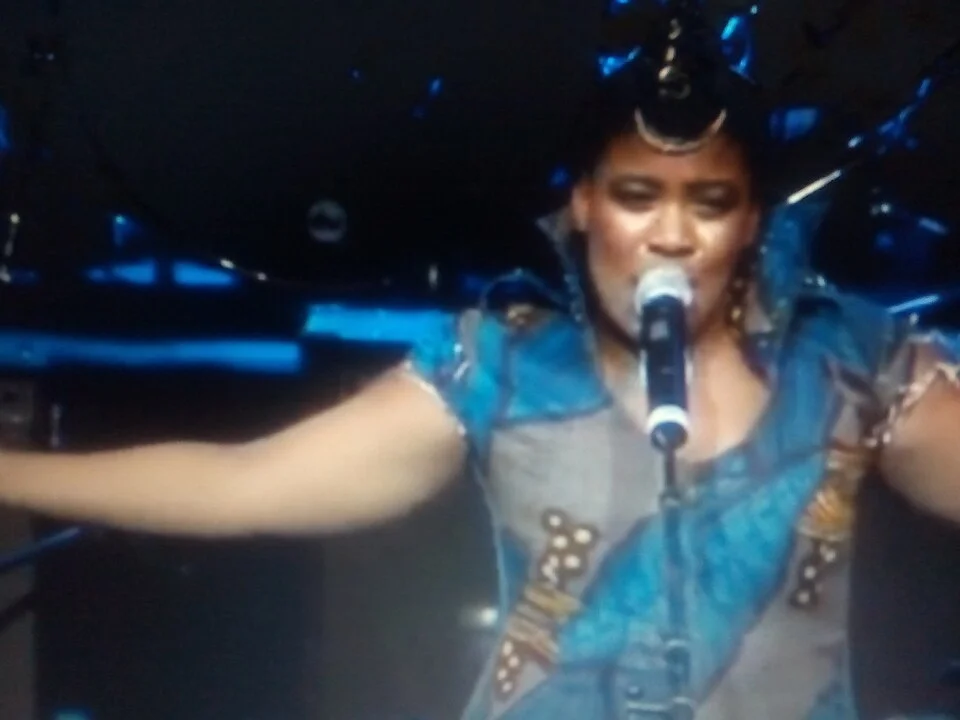
- MaWhoo won Amapiano Artist of the Year and the Highest Airplay Award for Bengicela.
- The fifth edition added Vanguard awards for roles including artist management and entertainment journalism.
- Sannah Thwala, Ivie Ani, Smangele Sibisi and Khanyisile Mdletshe were among the winners.
Inside this story 2 perspectives
A singer can collect an airplay award because the same recording has travelled through many different people’s working days. Someone made room for it in a programme, someone helped an audience identify the artist, and someone kept the artist’s professional commitments from colliding. At the fifth Basadi in Music Awards in Johannesburg, a new set of categories made several of those jobs much easier to name.
MaWhoo won Amapiano Artist of the Year and the Highest Airplay Award for Bengicela. Her two awards describe different accomplishments. One places her work in a genre, while the other recognises the reach of a particular recording on air. At Joburg Theatre, the expanded programme also included the inaugural Basadi Vanguard Awards, giving recognition to women working in parts of music and entertainment that audiences seldom hear listed from the stage.
The manager, the journalist and the stylist
Sannah Thwala was named Artist Manager of the Year. Nigerian journalist Ivie Ani took Entertainment Journalist of the Year. Smangele Sibisi earned the hairstyling award, and Khanyisile Mdletshe won for styling. A list that prints their names under their actual occupations gives a young reader a clearer picture of where work in music takes place.
It also makes clear how different those occupations are. An artist’s manager may be thinking about the months after a release. A journalist needs the independence to ask questions about it. A stylist chooses how an artist will be seen on a stage or screen, while a hairstylist’s work has to hold up through movement, lights and a long evening. Grouping all four together as people who support a performer obscures the judgement each role requires.
What the recognition can carry
For somebody already established, an award can place a long record of work in front of a new audience. For a younger practitioner, the value may lie in being able to point to a named piece of work or a specific responsibility. An event producer looking for a specialist has a better lead in a credited name than in an attractive image of the finished show.
There are limits to what a winners list can reveal. It does not say which professions offer secure contracts, how earnings are divided or whether the women shortlisted are regularly called back for paid work. Those are separate questions for the industry long after the stage is cleared.
The strongest use of the expanded credits may be one available to anyone listening at home. The next time a song catches your attention on the radio, try following one name beyond the person singing. The producer deciding where it belongs, the journalist who asks about its origins and the manager who books its next audience all have careers of their own.