- World Pasta Day fell on Sunday 25 October in 2026.
- The International Pasta Organisation included Argentine rigatti with homemade pesto among eight dishes.
- Argentina’s casas de pastas sell a range of fresh pasta shapes for people to finish at home.
Inside this story 2 perspectives
This year World Pasta Day happened to fall on a Sunday, which gave the Argentine dish in the International Pasta Organisation’s collection a calendar of its own. The association selected rigatti with homemade pesto as an example of domingo de pastas, the tradition of gathering for a Sunday pasta lunch. Its list of eight dishes from different countries offered one version of a meal that Argentine families make in many ways.
A useful place to begin imagining that meal is outside the home kitchen, at a casa de pastas. These fresh-pasta shops provide the part of the lunch that would otherwise require rolling, cutting or filling dough. A customer can take home a shape associated with a family occasion, add a sauce of their choosing and still make the meal unmistakably theirs.
A shop counter is part of the tradition
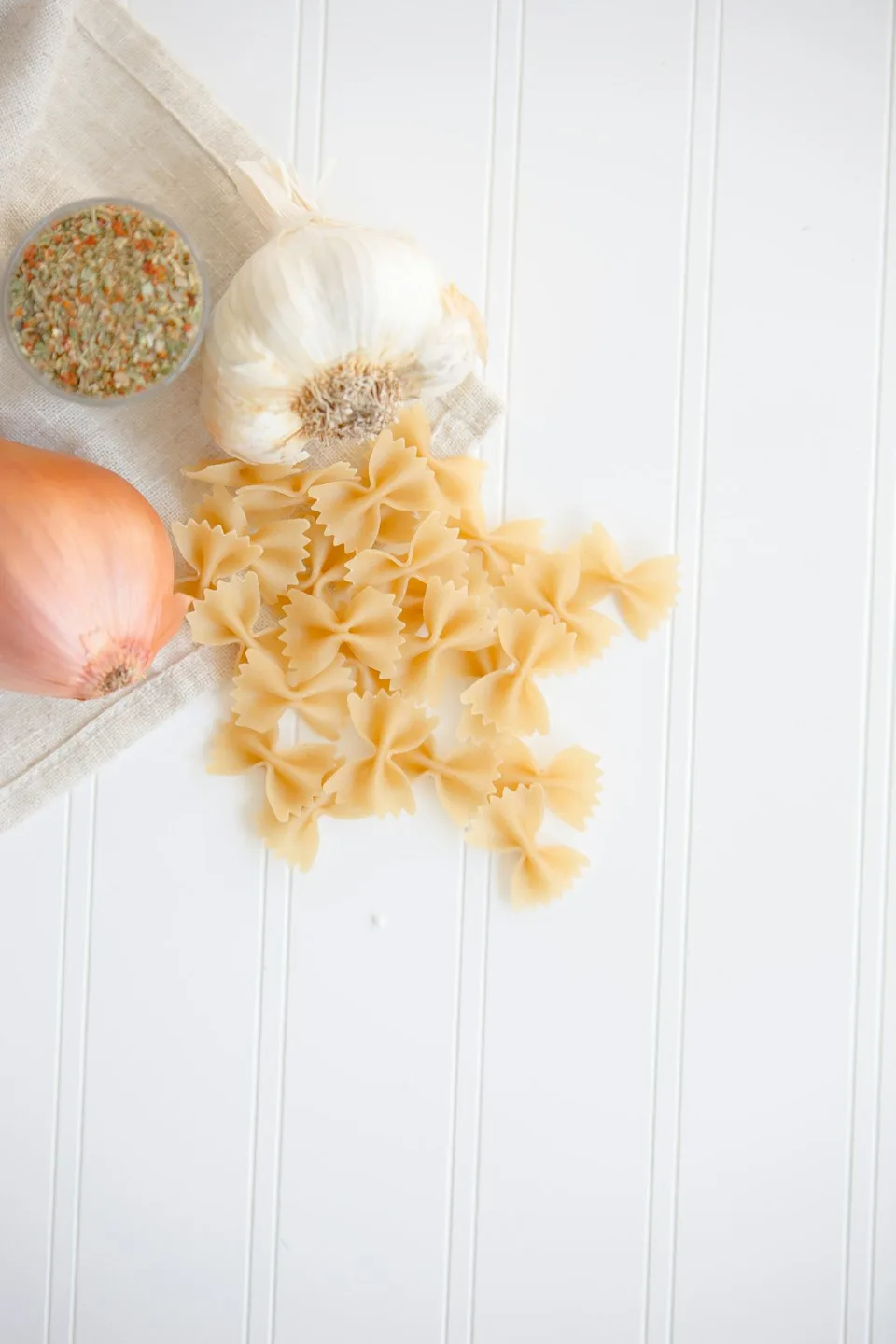
Argentina’s Gustar food heritage project links the spread of fresh pasta to the arrival of Italian migrants from the nineteenth century onwards. Its account of the shops describes a vocabulary both familiar and local. Short, tightly twisted fusilli can be known as tirabuzones, or corkscrews. Spaghetti might arrive with tuco, a tomato sauce. Names that look much the same on two menus can lead to rather different plates.
Buenos Aires cooks interviewed by La Prensa have described distinctions between the ways dishes are prepared and served in Argentina and in Italy. That difference is hardly surprising. A dish carried to a new country has to find its ingredients, its place in the meal and the people who will make it again. Over time a variation becomes the familiar version against which a family measures all the others.
Decide what the occasion is for
Someone borrowing the Sunday lunch idea might begin with the number of people around the table rather than the complexity of the dough. A simple sauce that can be ready before the pasta cooks gives the person at the stove a chance to join the conversation. Buying the pasta leaves time for another contribution to the meal, whether that is making pesto, setting out plates or collecting a relative on the way over.
The Sunday custom sits alongside a separate Argentine tradition of eating ñoquis on the 29th of the month. Gustar describes placing a coin or banknote beneath the plate as a wish for good fortune. The two occasions need not involve the same shape, sauce or story, even when they fall close together.
One of the pleasures of the industry association’s choice is how ordinary its ingredients can sound beside the size of the occasion. A plate of ridged pasta and pesto asks for little explanation. The time put aside to eat it with other people is the ingredient that turns it into Sunday lunch.