- Common Ground launched Apple Day on 21 October 1990 in London’s Covent Garden.
- The Royal Horticultural Society asks members seeking identification to submit three typical ripe fruits with stalks.
- Local celebrations take place on different dates around the national observance.
Inside this story 2 perspectives
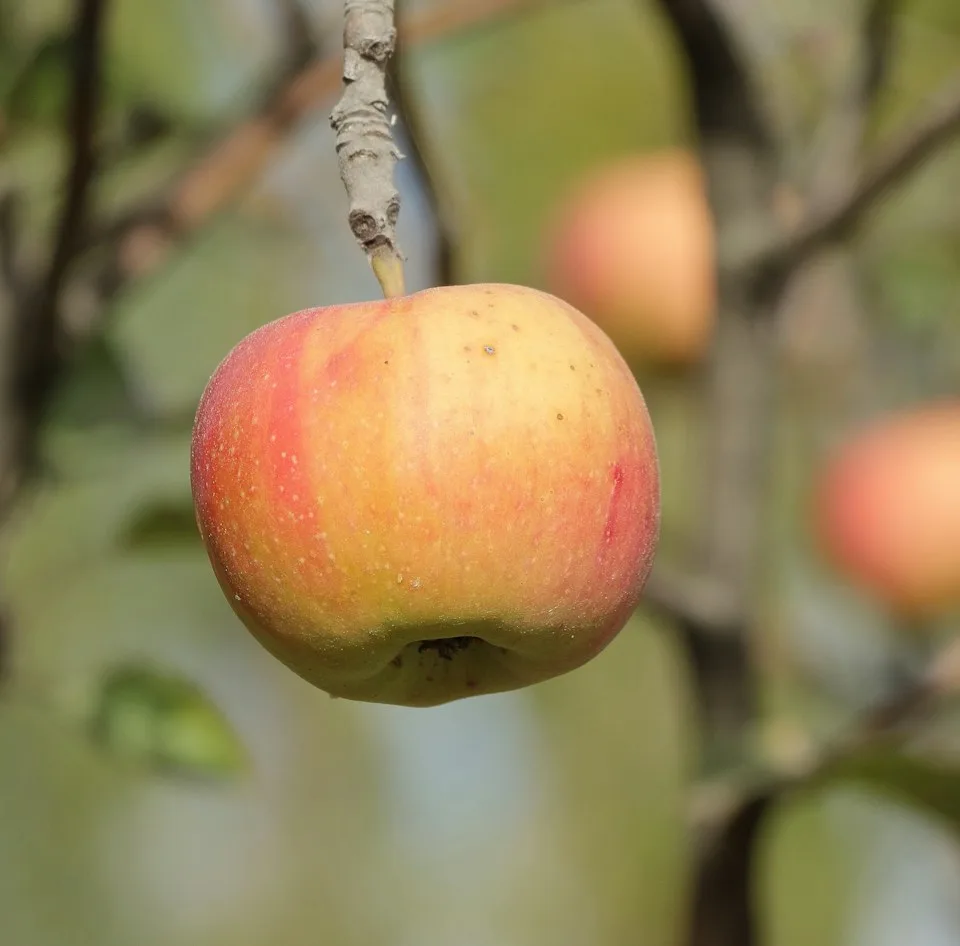
The most striking apple on a tree may be the least helpful one to take for identification. An unusually small or misshapen fruit can invite attention precisely because it is unrepresentative. The Royal Horticultural Society asks members who use its naming service for three typical ripe fruits with stalks attached. An expert needs a good sense of what the tree usually produces.
That is a particularly apt detail for Britain’s Apple Day on 21 October. Common Ground, the charity that began the celebration in 1990, says identification tables have consistently been among its popular attractions. Someone who knows their tree only as the one beside the back gate has a reason to turn up with a paper bag, and perhaps to leave with a name.
When London’s old market sold apples again
The first Apple Day was held at the old Apple Market in Covent Garden. Common Ground says fruit returned after a sixteen-year absence. Forty stalls brought together growers, nurseries, juice and cider producers, writers and illustrators. The intention was that other places would adopt the idea for themselves. A garden orchard or a village hall could make its own choices about what was distinctive nearby.
That freedom still matters when planning a visit. Wednesday is the calendar date, but an autumn orchard celebration might be held on the preceding or following weekend. Local listings for 2026 include events on different dates. A family taking fruit to be named should check whether the particular gathering offers that service and what its organisers want visitors to bring.
What the label on the bag can add
The RHS guidance provides a useful picture of the information a specialist values. Along with three typical fruits, its postal service asks for the place where the tree grows, whether it is in a garden or orchard, when the crop is usually picked and how it is used. The age of the tree can be helpful if known. For posting, the society recommends wrapping the fruit and packing it securely.
A family recipe can be a starting point for some of those observations. Did the fruit hold its shape in a pie? Was it eaten straight from the branch, or brought inside and kept for a while? A note from the person who has picked it for years may add something a photograph of the skin alone cannot supply.
The society’s postal identification service is for its members. A local Apple Day can offer a less formal chance to begin learning what to notice. Even when the variety remains uncertain, recording the tree, the picking date and how the fruit behaves gives next year’s harvest something rather better than a guess to build on.