- Researchers traced 92 proteins entering brain tissue in mice.
- The APOA1 intervention was tested in an Alzheimer’s mouse model, not a human treatment trial.
- Human benefit, safety and practical access remain questions for further research.
Inside this story 3 perspectives
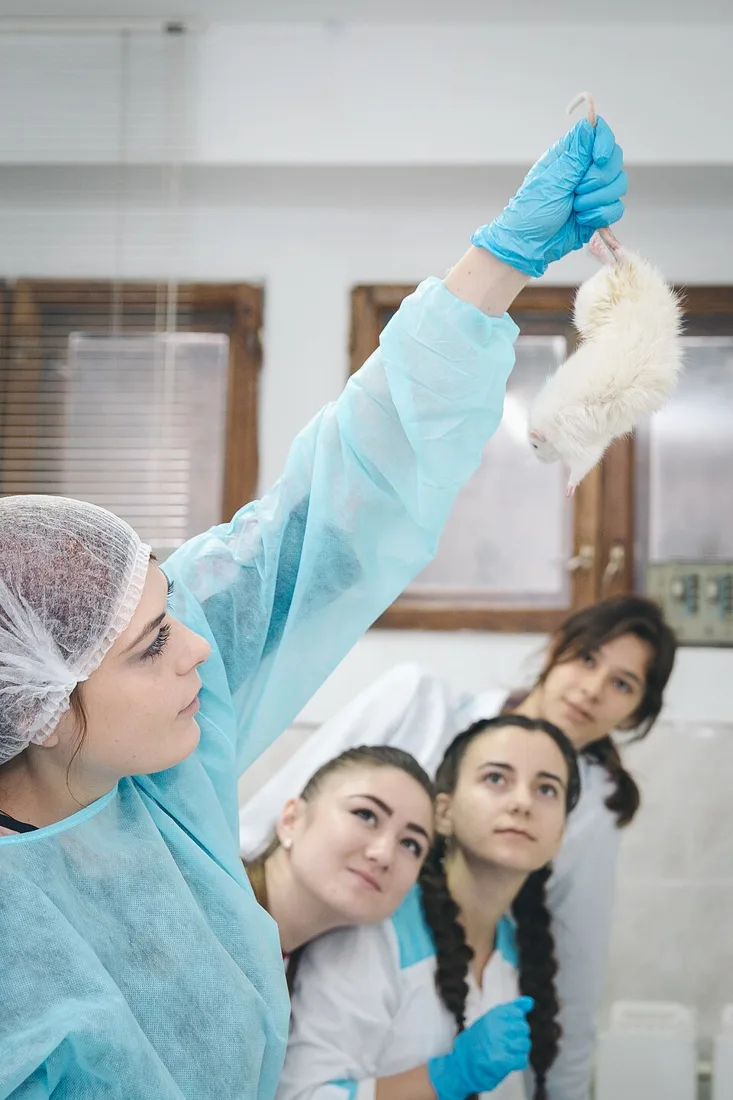
A study published in Cell on 11 November offers a fresh way to investigate the relationship between the brain and the rest of the body. Researchers led by Gladstone Institutes mapped proteins moving from blood into brain tissue in mice, looking closely at a system often discussed for its protective role.
The team tracked 861 blood proteins and found that 92 crossed the blood–brain barrier. Gladstone describes a selective process: different proteins travelled to particular brain-cell types. The finding gives researchers a more detailed starting point for asking how the brain receives useful signals from distant organs.
What the researchers found
One protein, apolipoprotein A1, or APOA1, attracted particular attention. The study’s abstract describes how it passes through the barrier using a receptor called SR-B1, then interacts with ABCA1 on astrocytes, cells that support brain function. That interaction promotes cholesterol release, helping maintain connections between neurons.
In an Alzheimer’s mouse model called 5xFAD, the researchers observed reduced APOA1 uptake. Increasing its production in the liver restored brain APOA1 and improved measures involving astrocytes, neuronal connections and behaviour.
The distance between discovery and treatment
These are preclinical findings. The reported intervention involved engineered mice; the study does not establish that increasing APOA1 treats Alzheimer’s in people. It does not determine a safe human dose, show a benefit for human memory or demonstrate that a food, supplement or commercially available product reproduces the effect.
That distinction is especially valuable for readers trying to make sense of longevity and brain-health headlines. A biological mechanism answers how something might work. A treatment claim requires evidence that an intervention benefits people, with its risks examined. The distance between those questions deserves space in the headline as well as the small print.
Why the research matters
The wider need is substantial. WHO estimates that 57 million people were living with dementia in 2021, with more than 60% in low- and middle-income countries. Alzheimer’s is its most common form, accounting for an estimated 60–70% of cases. Dementia also has consequences for family livelihoods: WHO attributes roughly half its estimated global economic cost in 2019 to informal care.
For African families, employers and health funders following this research, our view is that its eventual value should be judged through both scientific and practical questions. If the mechanism translates into a treatment, who would be included in the evidence? How would safety be assessed across different populations? Could health services deliver it at a cost families can bear?
Those questions do not diminish an intriguing discovery. They connect it to the people who would ultimately need it. Today’s significance is a clearer research direction: scientists have more detail about how selected proteins enter the brain, and a model in which changing that process affected disease-related measures. The next compelling headline will need to show how far those findings travel beyond the laboratory.